An exciting semester after high school
Are you looking for something to do after upper secondary school? Do like Emma (19) and spend a semester in wonderful Costa Rica!
This text is translated using AI.
View the original article here.– I tried to figure out something exciting and unique I could do before I was going to start studying.
I’ve always loved to travel, so when I came across Kulturstudier, I felt it was just perfect for me.

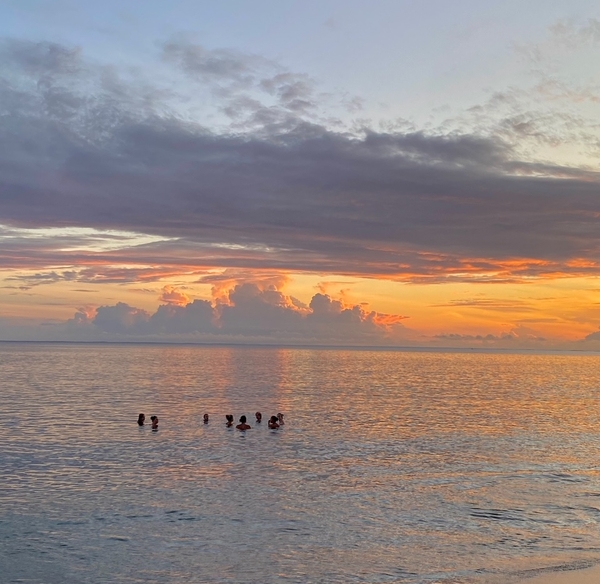
Costa Rica is a country many people want to travel to, and as a student you get an opportunity to dive deeper into this lush and beautiful paradise.
– I considered several of the study programs, but ended up choosing Costa Rica because I really wanted to learn Spanish, and I liked that you were offered the chance to live with a host family.
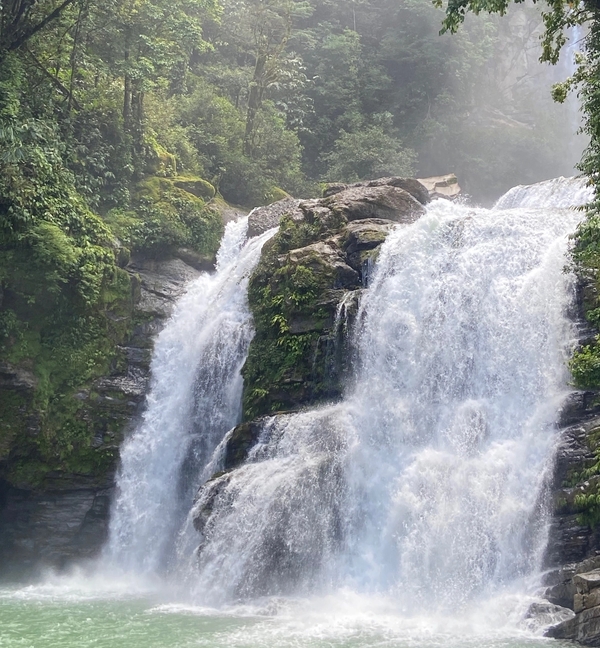
Costa Rica was also attractive to me because I really wanted to learn how to surf, and I wanted to experience the beautiful beaches and forests.

In Kulturstudier’s Spanish program, all the students live with host families for a few weeks. This way they get to know local people, practice their Spanish, and try out a different everyday life than the one they are used to back home.
– Living with a host family was definitely a good experience for learning the language better, but also for gaining a better insight into the local culture.
I didn’t know Spanish before I went to Costa Rica, so at first it was difficult to communicate, but I felt it got easier and easier over time.


– The family I stayed with was very nice, and they were good at speaking clearly and understandably, which made it much easier to communicate with them. The host mother was also very good at cooking!
For breakfast we often had, for example, gallo pinto (the national dish) or pancakes, and always a bowl of fresh fruit on the side.
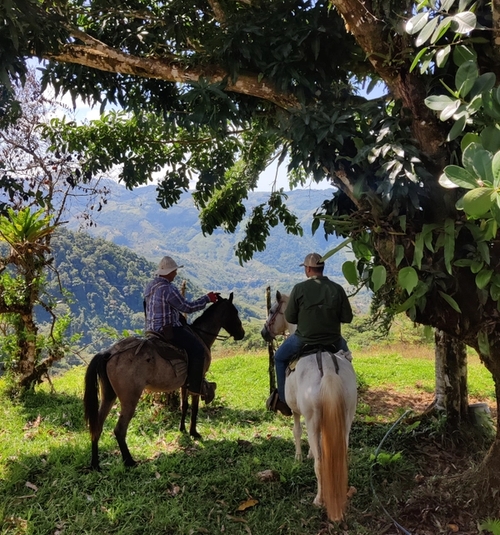
The area where the family lived was also very nice, and offered many opportunities for walks both along the river and up into the forest.

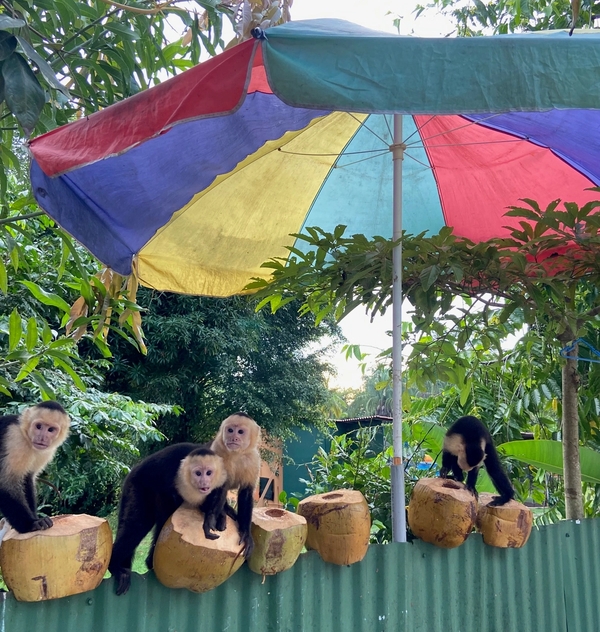
Life in Costa Rica also brings some challenges, and the students must learn to adapt to their new everyday life.
– One challenge I experienced in everyday life in San Isidro was the lack of hot water. In the host family we had no access to hot water, and at first this was a big challenge for me, but I managed to get more and more used to it.
In the student housing there was plenty of hot water in the showers, but we had to wash our clothes in cold water. This meant it took more effort to get stains out of our clothes, but we were given some tips and tricks that really helped.
I would still recommend not bringing too many white clothes, since they often don’t stay white for very long!

– In San Isidro we enjoyed taking part in activities in the afternoons and on weekends.
For example, there were free Zumba classes twice a week in the sports park, and on weekends we took part in language cafés where there were both people who wanted to learn Spanish and English, and we had the opportunity to learn from each other.
San Isidro also has several good second-hand shops that we enjoyed visiting in the afternoons and on weekends.
Both the teachers and the manager were good at telling us when and where things were happening, so we got to experience a lot while we were there.

– One thing I miss about everyday life in San Isidro is the food. San Isidro has so many good restaurants and farmers’ markets where they sell fresh and delicious fruit. The food we were served at the university was also very good, and definitely something I looked forward to every day.
We were served a lot of rice and beans with some kind of protein like fish or chicken, and a salad. The food at the school was also easy for everyone to enjoy because our manager, Raquel, made sure that all food preferences and allergies were taken care of.

With Kulturstudier you are a full-time student and earn Norwegian study credits while also receiving local credits from our partner institution. You can study at beginner level or at a higher level if you already know some Spanish.
Even if you study full time, you will of course have free time and the opportunity to travel around and explore both Costa Rica and the neighboring countries.
– We spent much of our free time in Costa Rica traveling both around the country and to other countries in Central America.
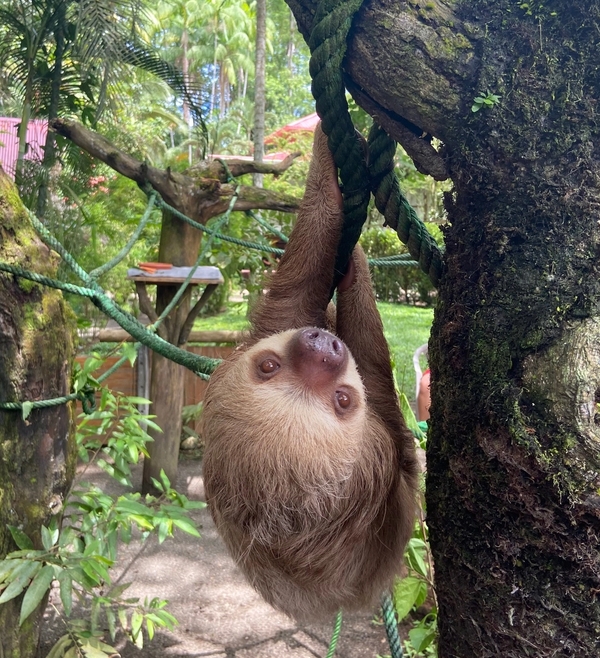
In Costa Rica we visited Puerto Viejo, where we went snorkeling with sharks and visited lush national parks with many animals such as sloths, snakes, and crocodiles. We also visited several beaches and surfed around various places in Costa Rica.
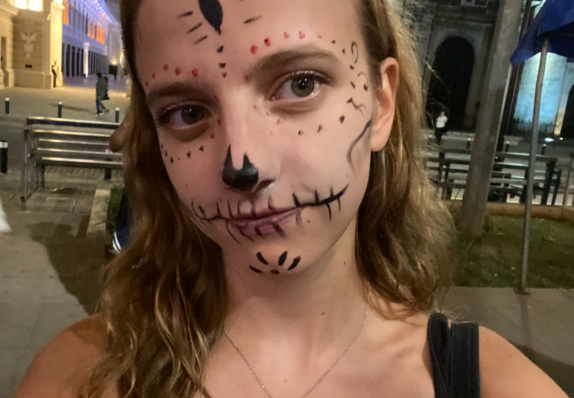
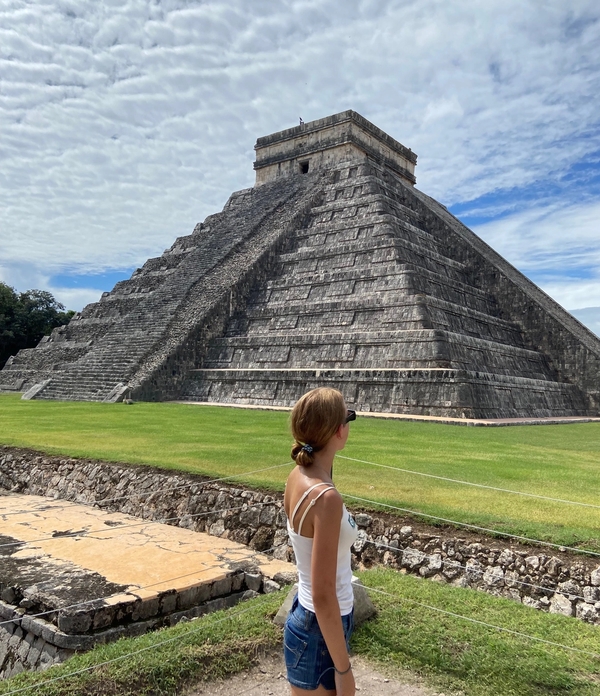
We visited Panama, Nicaragua and Mexico. In Mexico we got to experience the celebration of Día de los Muertos, which is a major celebration of the dead.
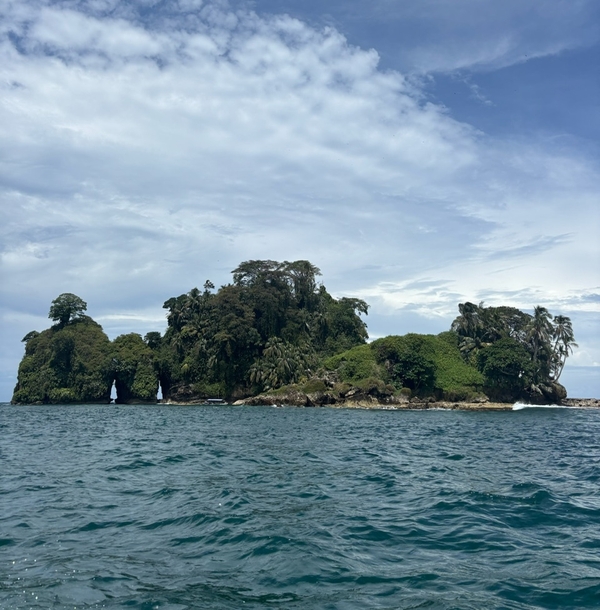
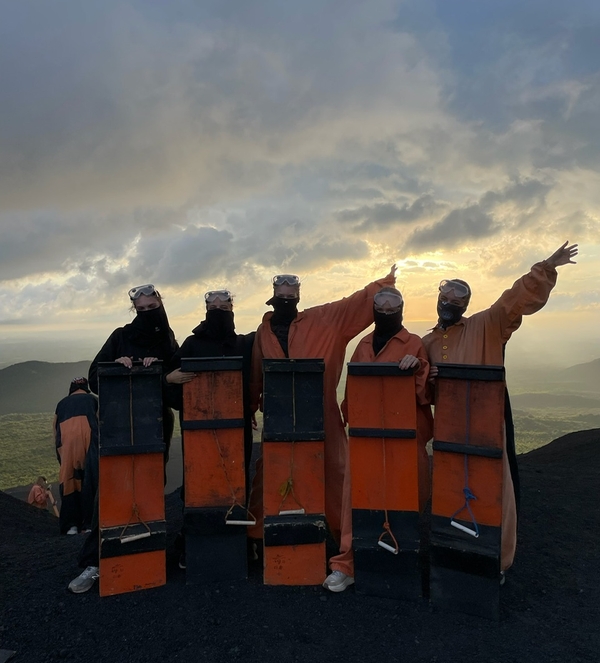
In Nicaragua we went down into an active volcano, and in Panama we got to snorkel in beautiful coral reefs and see bioluminescence in the sea in the evening!