A long weekend in Shanghai
Halfway through the semester, there is a long weekend that most people use as an opportunity to travel. Around this time, I also had visitors from Norway, so we planned to travel together.
This text is translated using AI.
View the original article here.For a long time, we were torn between Shanghai and Beijing once we knew we wanted to go to China. In the end, we chose Shanghai, and we were very happy with our decision.
After Chongqing, Shanghai is the second-largest city in China. Nearly 25 million people live here, in addition to the several million tourists who visit each year.
Before going there, I imagined a large, bustling, high-tech city. To my surprise, Shanghai was much quieter than I had expected.
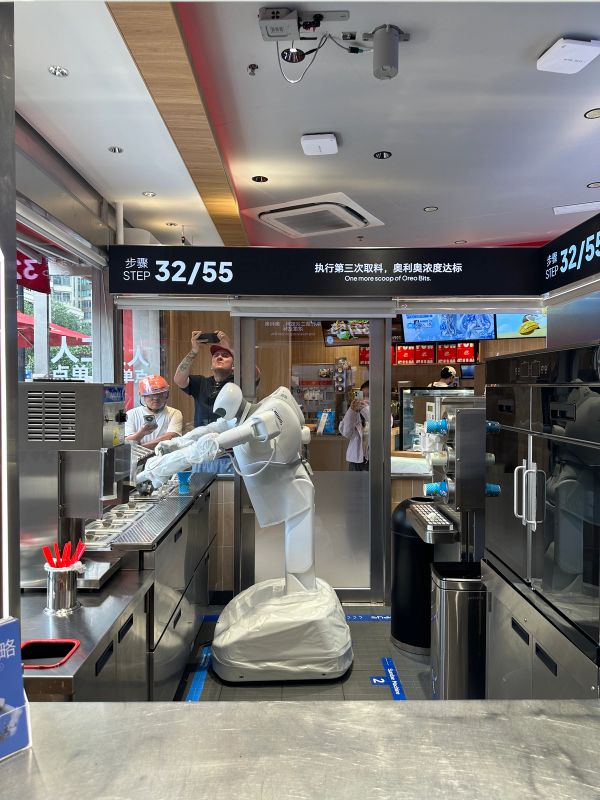
Still, there were several moments when I couldn't believe that what I was seeing was real. Sometimes it felt more like we were inside a video game.

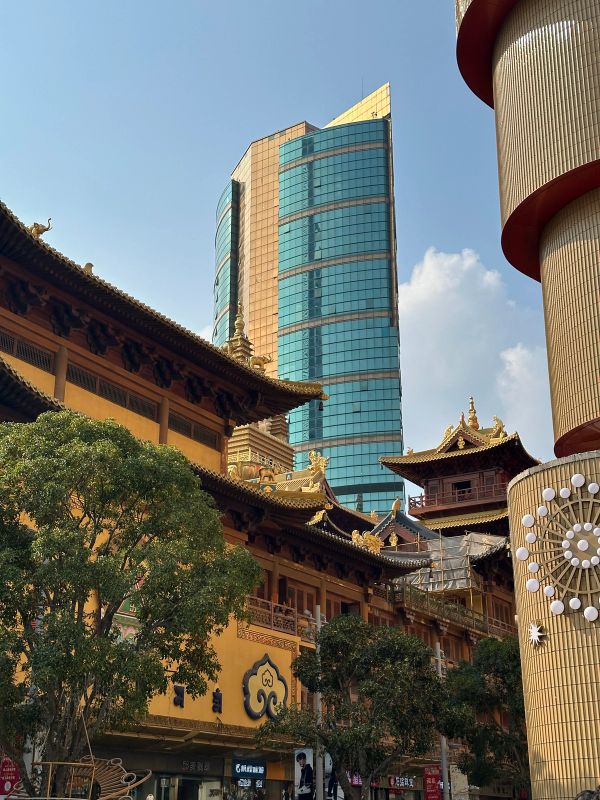
The whole time we were there, I kept thinking about how different it was from anywhere I had ever seen before. I probably haven't had time to fully process all the impressions yet.
Shanghai is a city of striking contrasts. Many areas reflect both China’s long history and its rapid technological development in modern times. Jing’an Temple is a 1,700-year-old Buddhist temple, yet it is surrounded by ultra-modern, luxurious skyscrapers.
We explored large parts of the city on foot, as well as with the help of the metro. Shanghai's metro system is extremely well developed and very easy to understand.
In addition, it is very cheap. Trips in the city center usually cost around NOK 4. If you want to take the metro from the airport, which is 50 kilometers away, it costs NOK 10. To pay, simply tap your card when entering and exiting the metro. Fares are based on how far you travel.

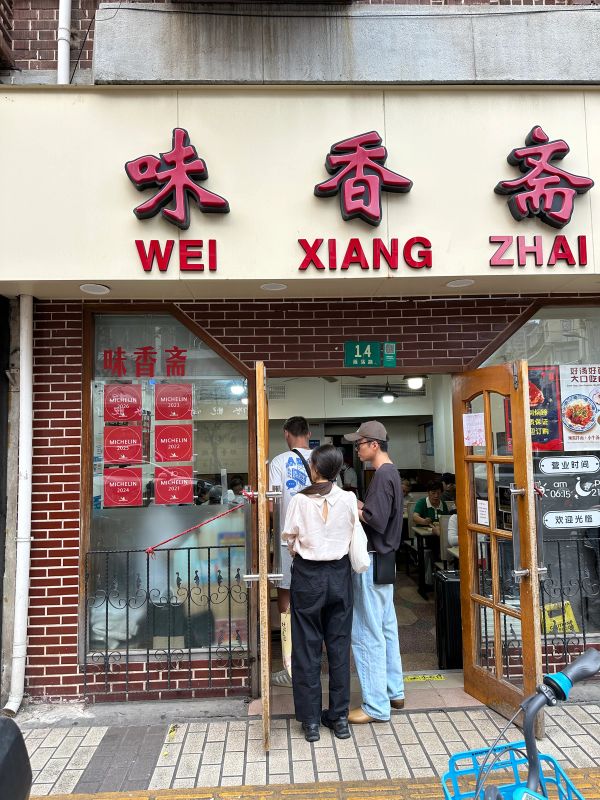
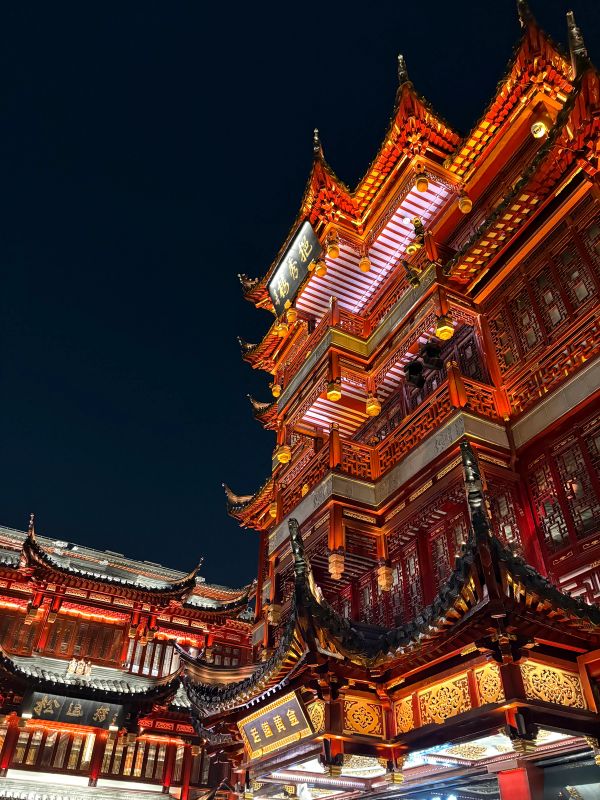
Of the typical bucket-list places to visit, Yu Garden and 1000 Trees were my favorites. Yu Garden is a traditional Chinese garden built in the 16th century. I highly recommend visiting this area in the evening to see it lit up. It is a beautiful and impressive sight.
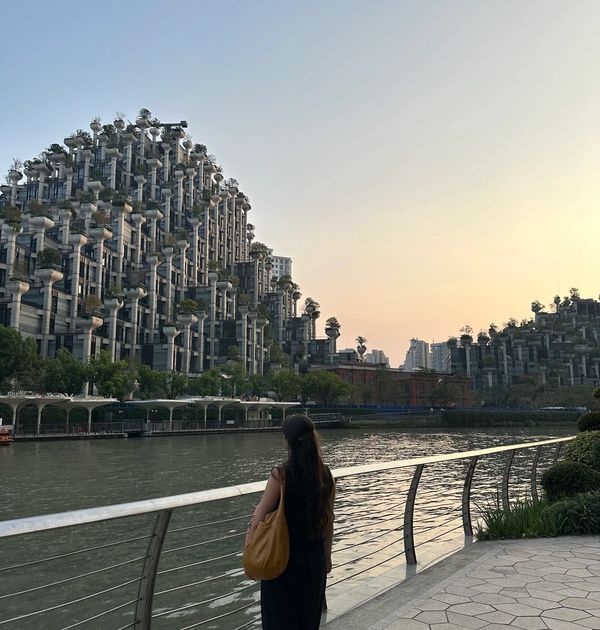
1000 Trees is located a little farther from the city center, but it is very easy to reach by metro. The best view is from Mengqing Park, which is on the other side of the river. We were here just before sunset and took a pleasant walk along the waterfront.

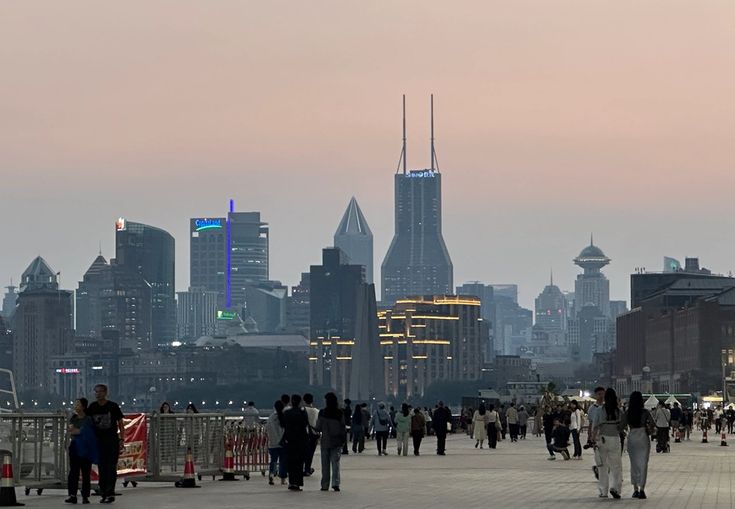
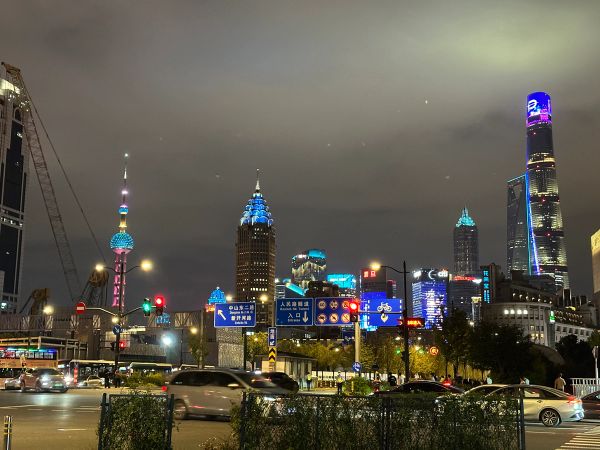
Shanghai's skyline was, of course, quite a sight in itself. We went to two different places to admire it: The Bund and North Bund Greenland.
The view is relatively similar, but you get to see the city from different angles. North Bund Greenland is also a park, where you can easily settle down or take a leisurely stroll. The park is a little less touristy than The Bund, and I preferred the view from here.

Finally, if you're planning to travel to China yourself, it's a good idea to take care of a few things in advance:
eSIM + VPN
Several websites and social media platforms are blocked in China, but you can still access them using a VPN.
To make sure it works, it must not only be purchased but also activated before you land in China. Regular internet access and VPNs do not work well together here. This also means that you will depend on mobile data (via eSIM) to browse the internet during your trip.

Alipay
The vast majority of places do not accept direct card payments. Instead, they use Alipay, a digital payment platform and the most widely accepted payment method.
Just add your payment card to the app, and it’s ready to use. WeChat is another option, but I only used Alipay myself.
Didi
Shanghai's metro system is extensive and very well developed, but depending on where you're going, it can also be nice to have someone drive you.
In that case, you should use DiDi. You can download the app or sign up through Alipay.

But
Google Maps doesn't work well in China. Apple Maps works fine, but I highly recommend downloading Amap as well.
In addition to more detailed descriptions, you also get access to lists of the most highly recommended places in your current area. This can help you explore an area more thoroughly or find more of what interests you.