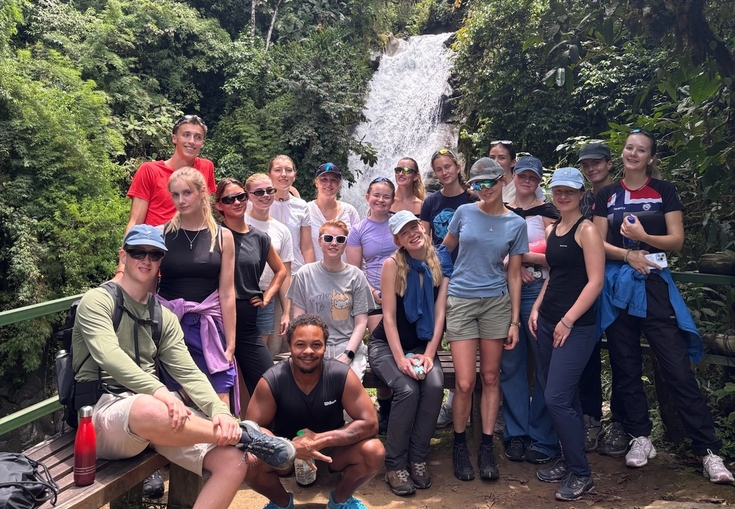
Everyday life as a student abroad
We’ve finally gotten off to a good start with our studies here in the city of San Isidro. It’s hard to believe we’ve already been here for more than five weeks!
This text is translated using AI.
View the original article here.At first, the school days felt just as much like a vacation as the trips we took during those first few weekends.
But since moving here in mid-August, we have also come to know a different side of Costa Rica from the one you see from the outside.
Between trips and exciting activities, we have spent more time at our house in San Isidro. Slowly but surely, we have settled into a new daily life and routines together on the other side of the Atlantic.

The school day
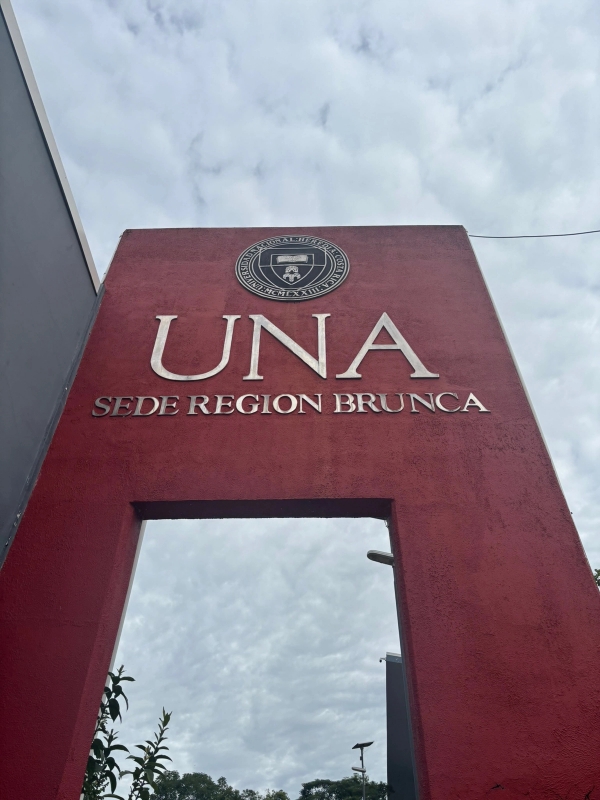
From Monday to Thursday, we have classes at one of the city's universities. The school day starts at 8:00 a.m. most days.
To get to the university, we order an Uber, which (unlike in Norway) is the cheapest and easiest way to get to school! The main road is packed with cars early in the morning, but it takes no more than 10 minutes to reach campus.

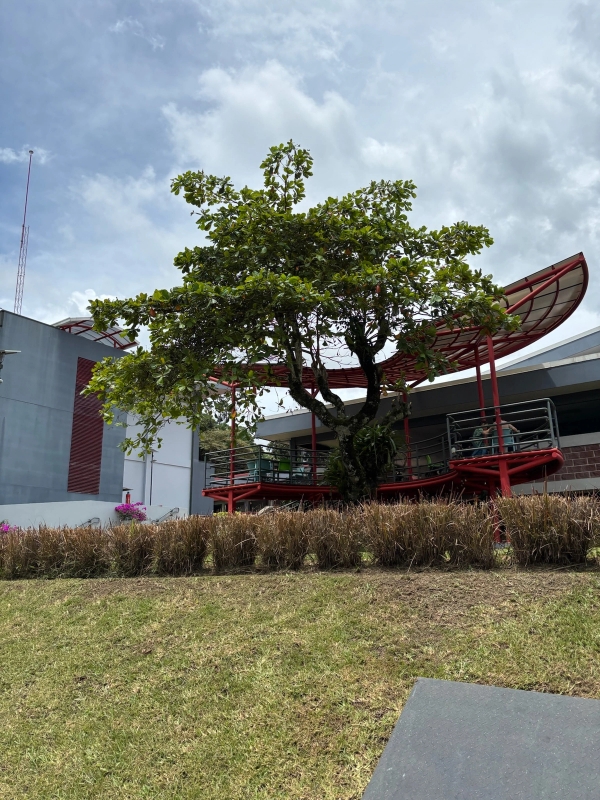
At school, we have a fixed timetable with our three subjects: spoken Spanish, Spanish grammar, and Spanish and Latin American history.
In Spanish class, we split into three smaller groups according to level, and the teachers, las profesoras, teach entirely in Spanish! Fortunately, in the smaller groups, it's easy to ask them to repeat what they've said.
When we hear a word we don't know (which happens quite often), we are given an explanation of it in Spanish. The teachers often use a combination of words and gestures to make it easier for us to understand.

Married
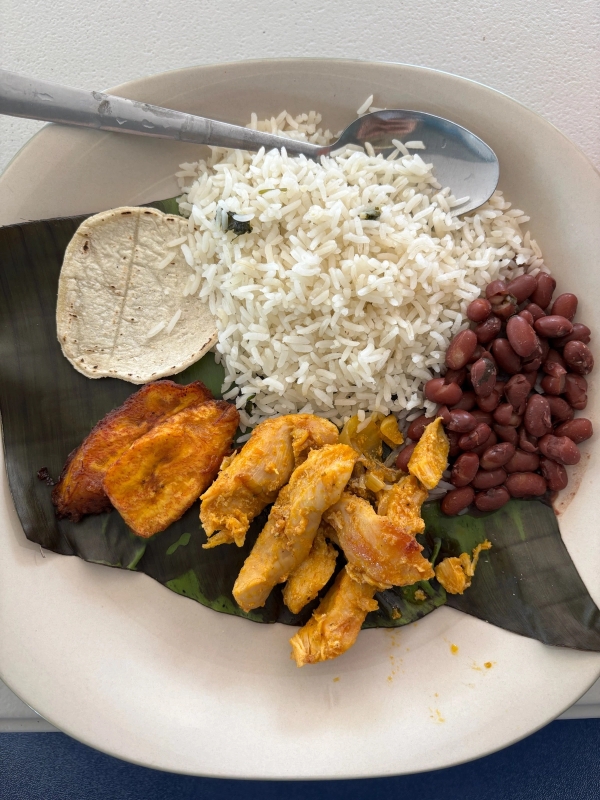
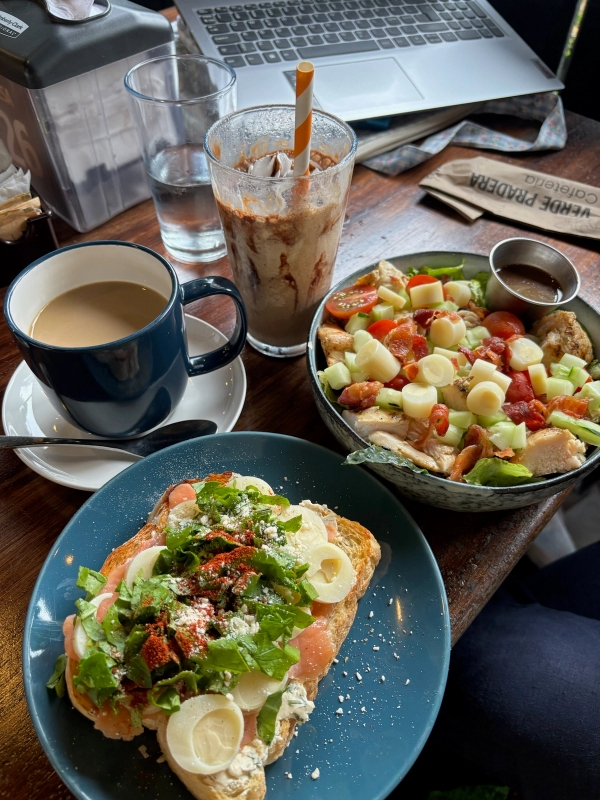
At the university cafeteria, we get lunch twice a week. Usually, we get the traditional lunch that the locals call casado.
The name of this dish is a play on the Spanish word for “to get married.” During the first week, the local students explained that casado was traditionally a lunch that revealed whether a man was married or single.
The men who brought this dish with them were apparently those whose wives could prepare them a proper packed lunch at home! Casado consists of rice, beans, vegetables, and various types of meat, and it is always served with a glass of fresh fruit juice in one of many different flavors.
I think it's really good, especially since the dish is a little different every time it's served to us!

Learning Spanish
Spanish is naturally a big part of our daily lives here. At school, the teachers are good at giving us space to speak, even though we don't always conjugate the verbs correctly or find the right words.
At first, it was challenging and unfamiliar to work this way, but over time it has become an engaging way to learn even more. We hear the language much more throughout the school day, and we have already become much better at understanding spoken Spanish!

I feel a sense of accomplishment knowing that I can already make myself understood when I speak Spanish in class. It has made me much more comfortable trying to speak with the Spanish-speaking people we meet.
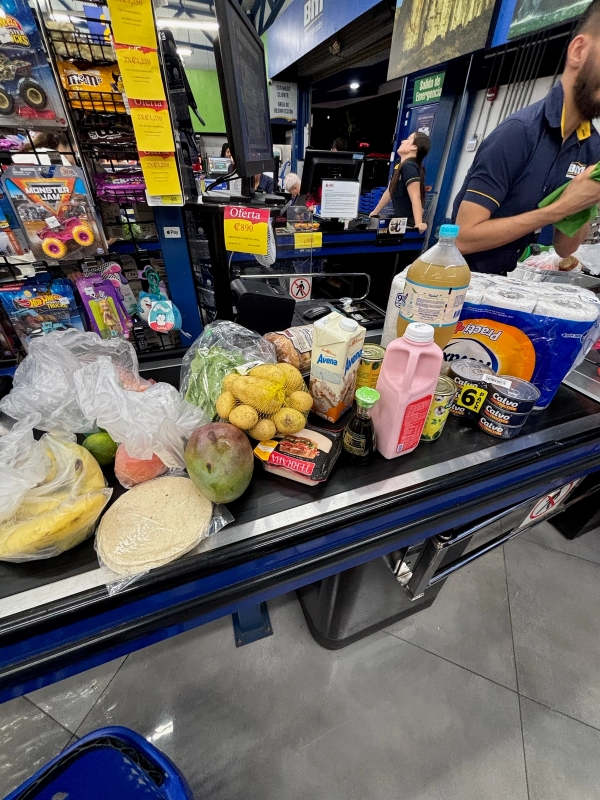
Costa Ricans, or ticos as they are called, are outgoing, so we often get to use all the Spanish we learn, whether at the store, in the Uber in the morning, or anywhere else where a little small talk might be appropriate. For example, I have told several of the friendly vendors at the local fruit market about Norway and how different it is from Costa Rica.

Homework
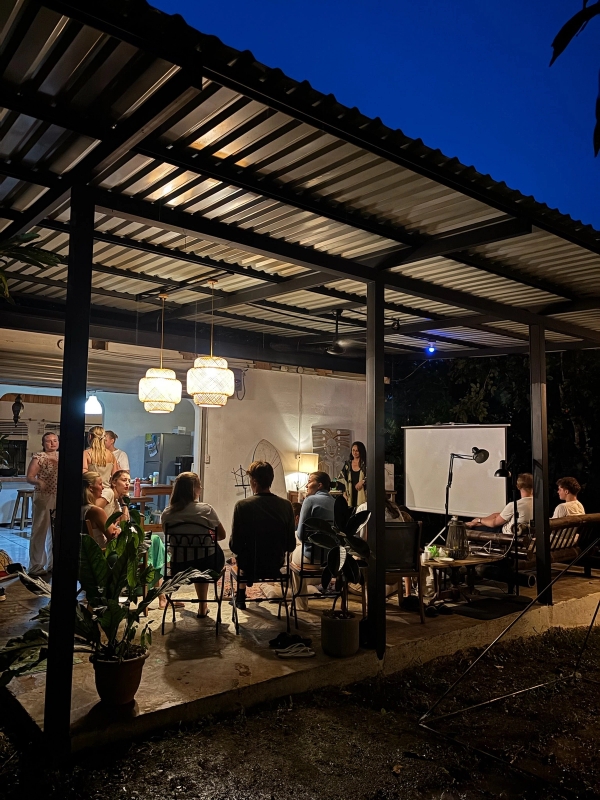
As students with classes and assignments, homework is a natural part of our weekly routine. Studying at home is important for review so that we can become even better at Spanish during our time here. Our house has a large outdoor area with chairs and tables under a roof that protects us from rain showers.
As I write this, I’m sitting on one of the sofas in the garden, with the rain as background noise. In the evenings, several of us often sit together doing homework or other tasks.
It's nice to share schoolwork with the other students. When several students live in the same house, shared tasks are another way to get to know one another better. These pleasant end-of-day gatherings in the backyard have also helped us feel even more comfortable with one another.

Activities
After school, of course, we also have time in the evening to do whatever we want. You can relax at home if you like, but there are also many activities we have taken part in here in San Isidro.
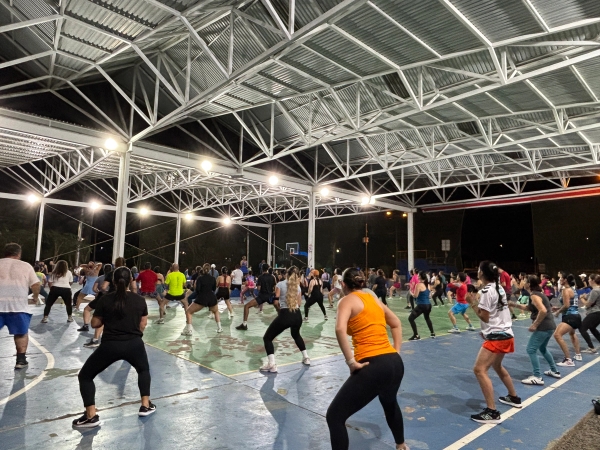
My absolute favorite so far is the free weekly Zumba classes. They take place at the local activity center, with an enthusiastic instructor demonstrating the moves to several dozen local Costa Ricans.
The music we dance to is really catchy, and the whole session of dancing and moving is incredibly fun to do with new friends!

In addition, several of us signed up for a private lesson with a salsa instructor who taught us the basic steps of the Latin American dance style. It was actually quite difficult, but it was fun to give it a try anyway. I’ll definitely do it again so that maybe I can get a little better!

A new family
The very best thing about everything I do during a week here in Costa Rica is that I get to share the experience with the other students.
We feel like one big family. By now, we’ve been on several overnight trips, organized movie nights, tried new foods and fruits, and established new routines together. When encountering an unfamiliar culture, it is the people I’ve gotten to know and the new routine that make this experience so unique.

After our weekend trip to the beach town of Uvita, my roommate Lina said something that really made me stop and think.
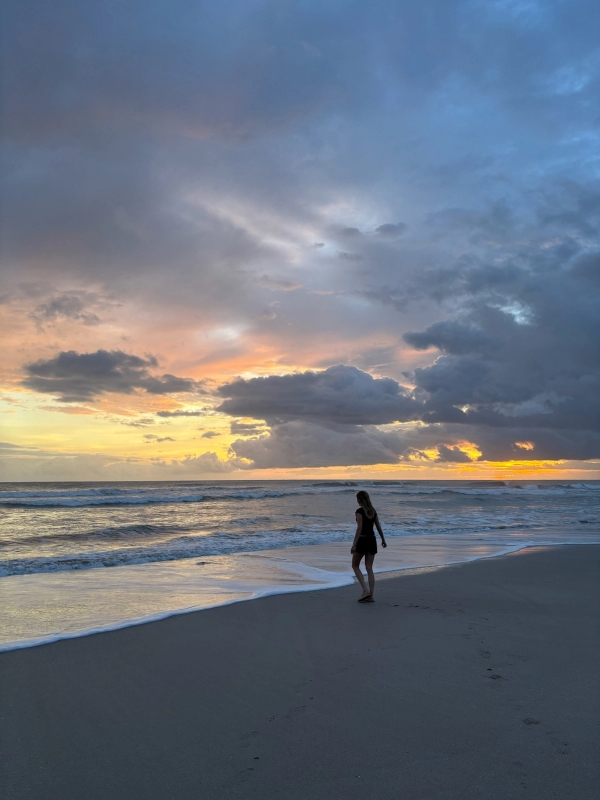
We had only been in Costa Rica for a little over a week, and although a weekend at a hostel filled with sunshine, surfing, and swimming had been incredibly fun, we were tired when we boarded the bus home on Sunday. On the way back to San Isidro, Lina asked me:
“Have you noticed that now, when we're tired after the weekend and say we're looking forward to going home, we mean our house and our life in San Isidro? It's so lovely that we already feel so secure with each other!”
I think that was when it really dawned on me: In just over a week, a strange place had begun to feel like home. And we're growing more attached to it with each passing week!