Beach life, surfing and clean-up in Costa Rica
After a week up in the mountains, I was very ready for some beach life.
This text is translated using AI.
View the original article here.I chose to study for a semester in Costa Rica for several reasons. Ever since elementary school, I have wanted to learn Spanish, and what better way than to learn in a country where everyone speaks the language?
In addition, this is an incredibly good and safe opportunity to get accustomed to traveling for me and others who did not have much travel experience before. Kulturstudier provides support, both from the office in Norway and in Costa Rica.

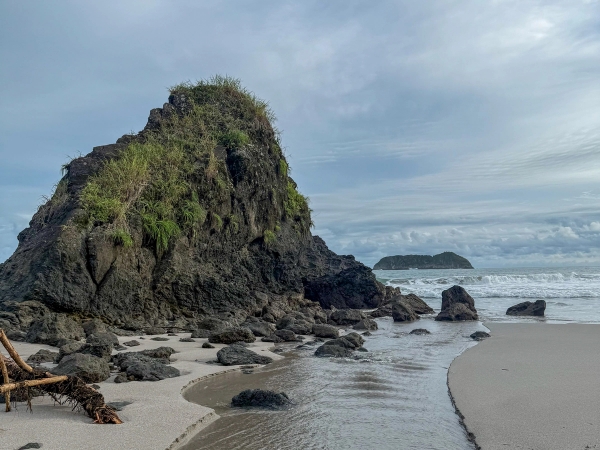
One of the main reasons I chose a semester in Costa Rica is the nature and the beaches. Our university town, San Isidro, is situated approximately 700 meters above sea level, surrounded by greenery and exotic wildlife.
After twelve weeks here, I am still fascinated by the steep peaks bathing in the clouds, deep green valleys, and the sound of toucans flying between the trees. But nothing surpasses my first journey to the Costa Rican beaches.

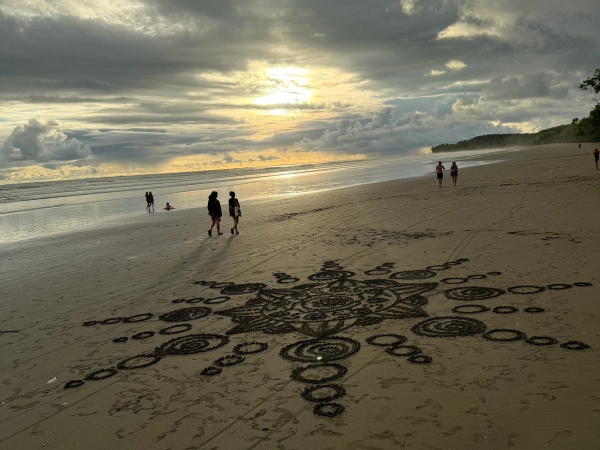
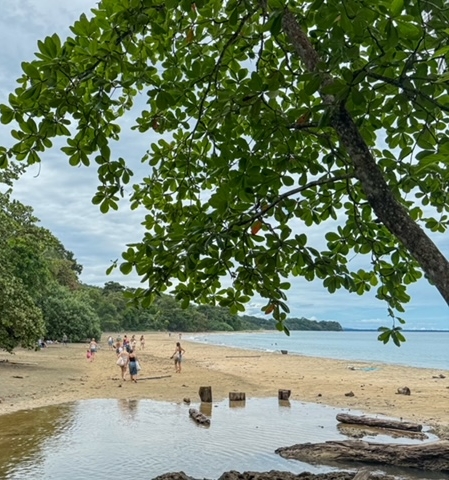
I have always felt drawn to the sea, and was very ready to finally learn to surf. The trip went to Manuel Antonio, an amazing place with a national park, beautiful beaches, and rich wildlife wherever you go.
The first thing I noticed when I stepped off the bus was the waves. I had never seen waves of this size before. The sound and sight of the waves as they rolled over into a tunnel around the surfers was absolutely incredible, and I couldn't change into my swimwear quickly enough.

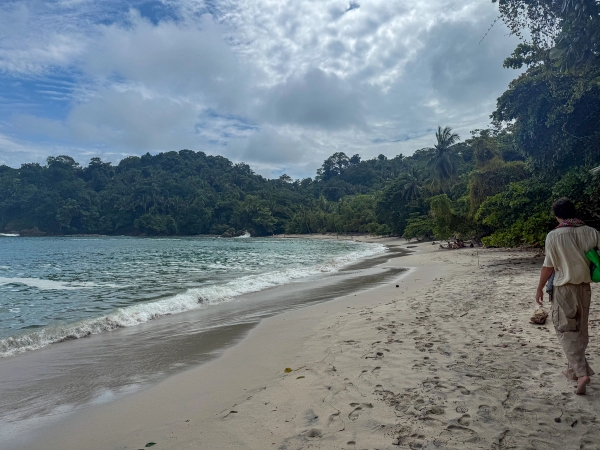
I knew the water temperature in Costa Rica would be pleasant, yet I was surprised by how warm the water was. What was supposed to be a quick dip turned into hours.
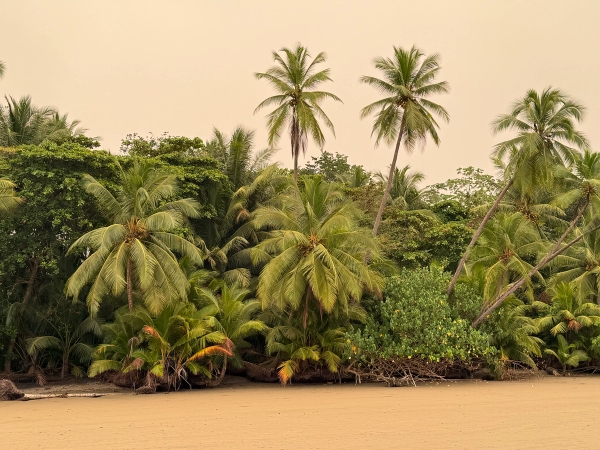
The sight of waves rolling onto the beige beach in front of tall palm trees laden with coconuts felt surreal, like a scene taken out of a movie. Gradually, the sky turned from intense blue to gray, making the greenery "pop" even more.

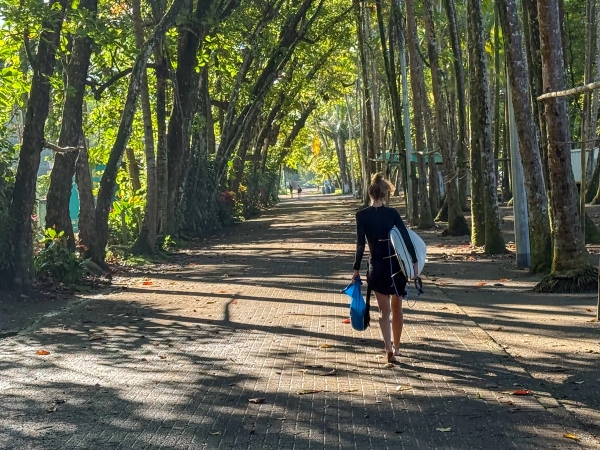
Since this first trip to the beach, nearly every weekend has been spent in the waves, at various places like Dominical, Uvita, and Puerto Viejo. Surfing is continually improving, and has definitely become a new favorite hobby.
We feel fortunate to experience and borrow these beaches around us while we are here. Therefore, we wanted to give something back as a thank you, and as a contribution to a global problem.

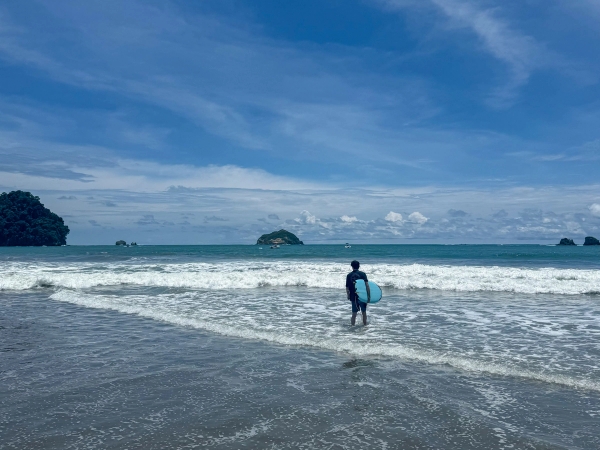
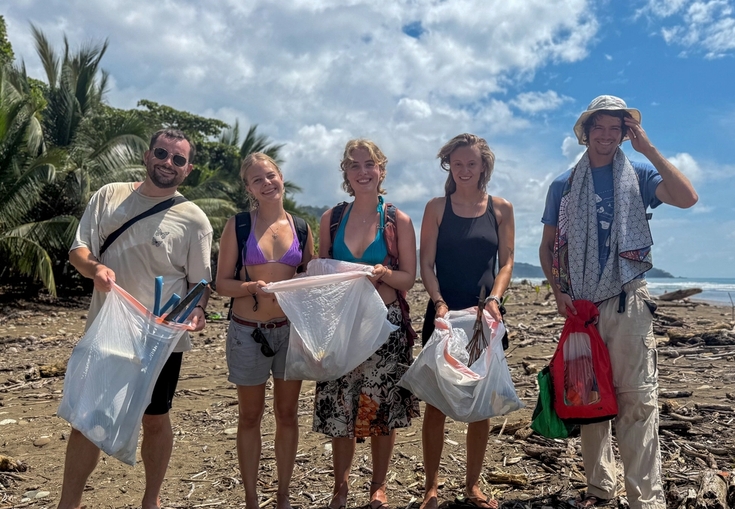
On a Sunday in November, between submissions and exams, a small group of us went to pick up trash from the beach. In Costa Rica, the beaches are very tidy and clean, so we were unsure how much we would find. In 45 minutes, we filled three bags, just on a small part of the beach.
Unfortunately, there was a lot of trash to pick up once you started looking. Much of it had been washed ashore by the waves, along with driftwood. The bags were filled with plastic bottles, packaging, fishing lines, and plastic caps.

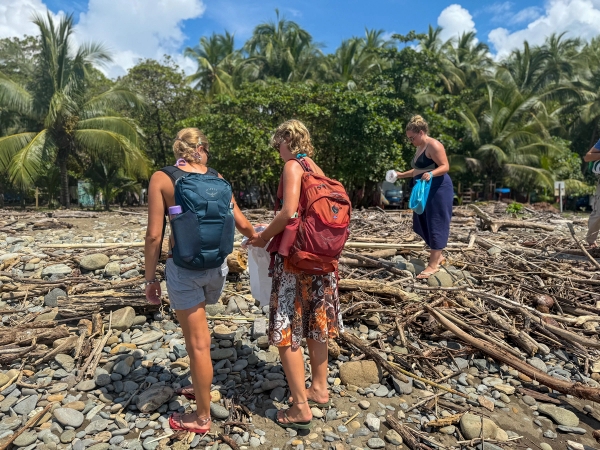
Pollution from waste is a global issue. Even with bans on littering in nature, locals in Costa Rica report that it remains a problem with waste being dumped in rivers, which then carries it out to sea.
A few decades ago, it was common to throw plastic waste out of the bus window. These attitudes have changed drastically today, and the younger generations care more about the environment and sustainability.
Even though Costa Rica has done a good job in reducing the amount of trash and plastic in nature, there is still a way to go. This also applies to other countries, including Norway. Through beach and underwater cleanup actions in Oslo, I have witnessed a darker side of Norwegian pollution.

The Oslofjord is filled with waste, plastic, and tires. Fortunately, this is being improved through cleanup efforts and green initiatives, but we have a long way to go for sufficient legislation and enforcement of these.
A small cleanup effort on a beach in Costa Rica is not enough to solve such a widespread global problem. Nevertheless, I believe in moving in a greener direction and contributing where I can, both physically and hopefully as inspiration for others.
If everyone does a little, cares a little, and inspires a little, I believe in a cleaner, healthier planet for the future of our and future generations. A day like this, with other motivated beach cleaners, was a nice reminder of why I study sustainability and green criminology.