My semester in Costa Rica – and why I would do it again
An honest journey through the entire spectrum of emotions.
This text is translated using AI.
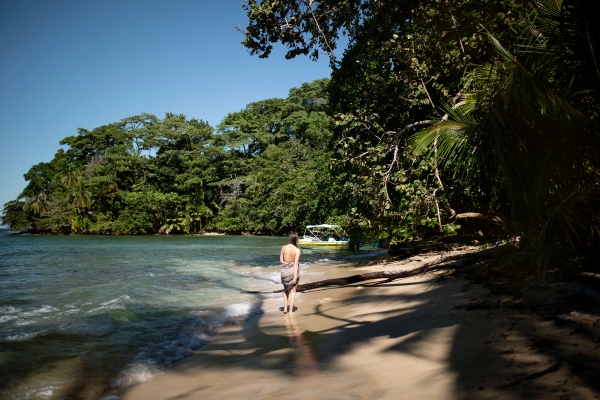
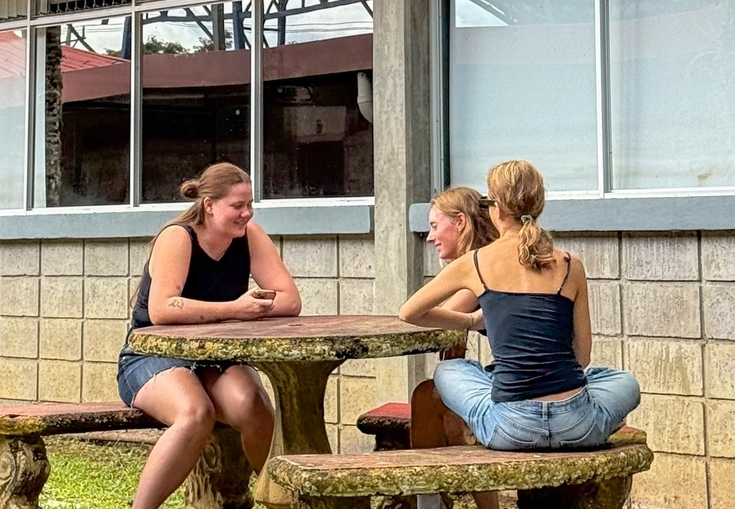
View the original article here.Me and some other students are sitting on the bus on our way down to the beach Thursday morning. The sun is shining over green trees filled with coconuts, bananas, exotic birds, and a sloth here and there.
After a month of Spanish lessons, I have gone from not speaking any Spanish to being able to have simple conversations.
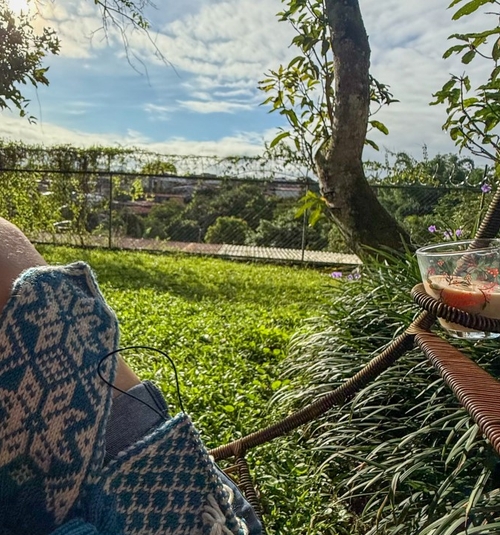
The knitting comes along as bus entertainment. At last, we arrive. A wave of humid and warm air hits me, the smell of saltwater and sunscreen fills my nostrils.


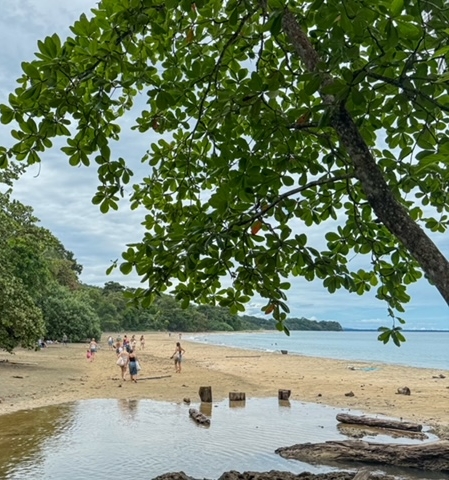
We're heading to the nearest café, I'll buy a mango smoothie before we stroll down to the beach. The shade of a palm tree will be our seat for the next few hours while we review this week's grammar.
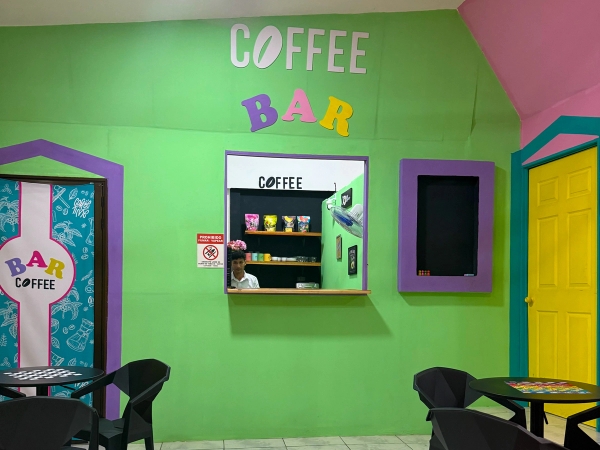
We're back at the café for a small bite to eat between studying and surfing. The plate is overflowing with fresh vegetables and fruits.
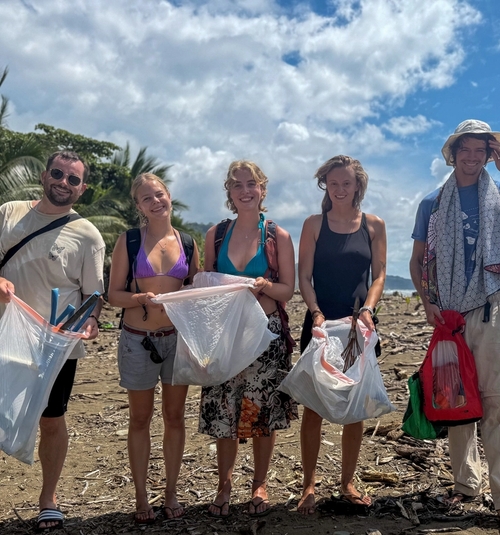
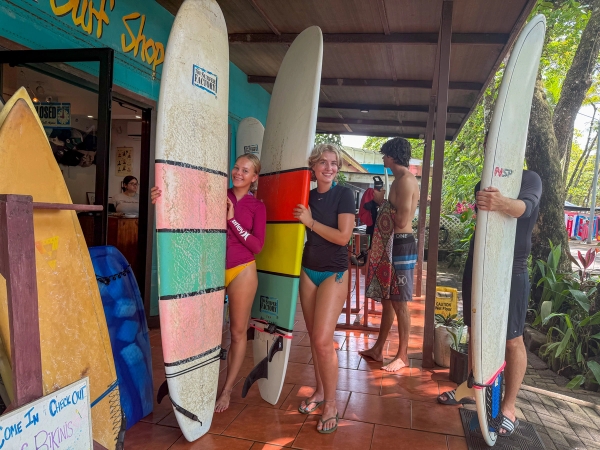
Everyone is eager to play in the waves, so the meal is eaten quickly. Then surfboards are rented, and the hours fly by. We surf until the sun sets and experience a truly magical half-hour where the sky is brimming with colors like pink, orange, and yellow.
We end the day with a communal dinner at the hostel before going to bed. It's important to get enough rest when you're planning to visit the national park the next day.

Before all this became my everyday life, I had to face a slightly different reality. This was my romanticized expectation before I went to Costa Rica to study Spanish. And to be completely honest, it's not very far from the truth.
But not all aspects of the semester are equally romantic, and there are some things it would have been nice to be more prepared for. Therefore, I wish to share some experiences and tips with future travelers and students.
Sunscreen
Obviously, you think? That's what we thought too. If you're traveling in the fall semester, don't be fooled by this being called winter and rainy season in Costa Rica.
There's a lot of sun, and it's scorching. Invest in a good sunscreen with high SPF (I promise, you'll tan regardless). And reapply often. 'Just a sec' has resulted in painfully red shoulders, noses, and backsides – especially while surfing.

Insurance and illness
You are coming to Costa Rica, and of course, you have researched and arranged good insurance, possibly following the advice of Kulturstudier.
But does it perhaps seem a bit stressful to go to the doctor with what's bothering you? Stress with payment, and filling out insurance documents? It's honestly very simple.
In San Isidro, they have a hospital where the staff speak English. My experience is that everyone is helpful, and you get assistance quickly.

Take pictures of all receipts, ask for a medical certificate and fill out the damage report with your insurance. By doing so, you will be reimbursed for your expenses, and you can feel safe and taken care of during your stay.
Also remember to take a copy or a photo of your insurance and passport, for occasions like this, but also in general when you travel around the country.
Economy
I'm not going to beat around the bush: Costa Rica is expensive.
You can expect prices similar to those in Norway for a good number of items. This worried me a bit at first, but fortunately, we found good solutions for this in our student house.
We planned dinners and did our weekly shopping together. Group settlements in Vipps make it easy to keep track and ensure that everyone pays their share.
On the other hand, Uber is very cheap! What would have been a 30-minute walk costs 20-30 kroner with Uber.

Something even cheaper is the local buses. From my host family's place to downtown, a ride of about 20 minutes, it cost 4 kroner. We like to combine bus rides and walking so we get some free exercise during the day.
And when it comes to payment methods: Remember to bring enough cash in addition to your card. Take both, as some accept only cash, others only cards.
Culture shock
Culture shock can be experienced in different ways. For me, it was the grocery stores that were the icing on the cake.
I was a complete beginner in Spanish when I moved to Costa Rica, and therefore understood very little of what was written on the packages in the store. Additionally, the interaction at the checkout felt scary.
Did he ask for a bag now? Or was it something else? And have I remembered to turn off the regional lock on the payment card?

I believe a bit of culture shock is to be expected. There's a lot to learn from experiencing difficult emotions, and fortunately, you're not alone in this. Talk with fellow students, share experiences and feelings!
Bring a bar of chocolate or three from home, for those days when you might feel a bit extra homesick.
And finally..
Studying a new language abroad is a process. It takes time! It requires genuine interest in learning, and not least courage to practice it.
Some days you will feel accomplished, other days it feels like you are starting all over again. But it gets better.
As mentioned, the grocery store was a big challenge for me at the beginning. Now, with only 2 weeks left in San Isidro, I start all conversations in Spanish. I manage café orders in Spanish, mostly without misunderstandings.

How to get to that point? Speak Spanish. Use the few words you know from the beginning, write down and memorize the most common phrases, and remember: most people find it pleasant to be helpful in practicing language.
Wouldn't you have felt the same with a foreign student in your country?
So what does a week look like in Costa Rica now, you ask?
Actually quite similar to my romantic notion of life in Costa Rica, with just a slight adjustment of my expectations for my own level of Spanish.
Learning a new language is exhausting. Therefore, weekends are spent replenishing bruises and a red nose from surfing, rather than cramming under palm trees. And of course, practicing how to place orders at a restaurant.
I love the student life in Costa Rica, and am eternally grateful that I dared to take the plunge. I hope this post can serve as inspiration, and make the start of your student life abroad easier!