Cultural Encounters in Nepal
During the study stay in Nepal, the other students and I experienced quite a bit of culture shock. There was a lot we encountered that felt unfamiliar and surprising, but you quickly learn to adapt to the culture.
This text is translated using AI.
View the original article here.In this post, I want to talk about some of the biggest differences between Norwegian and Nepali culture that I’ve experienced, and share a few tips I’ve picked up along the way.
Human encounters
The people here in Nepal are incredibly kind and sociable. It feels natural to smile and say hi to people in the street, and to strike up a conversation with those you meet at the store.
It also doesn’t take much before you’re invited into someone’s home for tea or dinner. It’s quite a big change from Norway, where you barely even meet other people’s eyes on the bus.
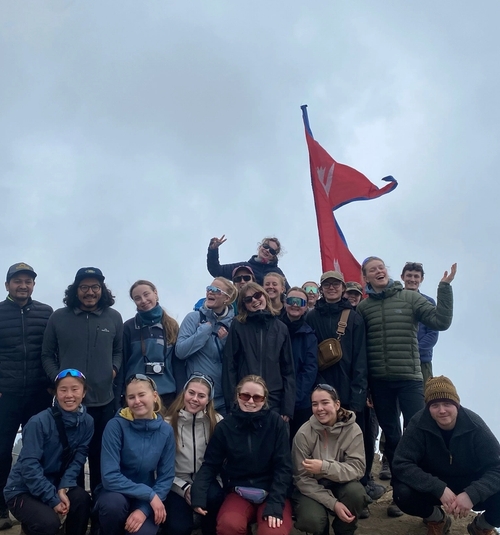
Many people are also curious about our group and often ask where we come from. Be prepared to talk about the midnight sun, the northern lights, and Haaland.

Cash
The vast majority of shops and restaurants in Nepal prefer to be paid in cash. In many places it’s actually not possible to pay by card, and where it is possible you often have to pay a little extra.
Therefore, it’s a good idea to always carry some cash with you when you’re out, especially if you’re going away from the city. When trekking and in the villages, it’s generally not possible to withdraw money, so it’s particularly important to bring enough cash.
In Nepal, the currency is the Nepalese rupee, which is used everywhere, but in some places they also accept payment in US dollars.

Nepali time
Nepali time is a local phenomenon which means that everything is generally a bit delayed. When in Norway you say that something will happen at 12:00, people arrive on time, but here in Nepal it’s a bit different.
Things generally move a bit slowly. This doesn’t just apply to social plans, but also to things like bus and flight departures, and pretty much everything else. You quickly get used to the fact that things take time, and you just have to arm yourself with patience.
Dress code
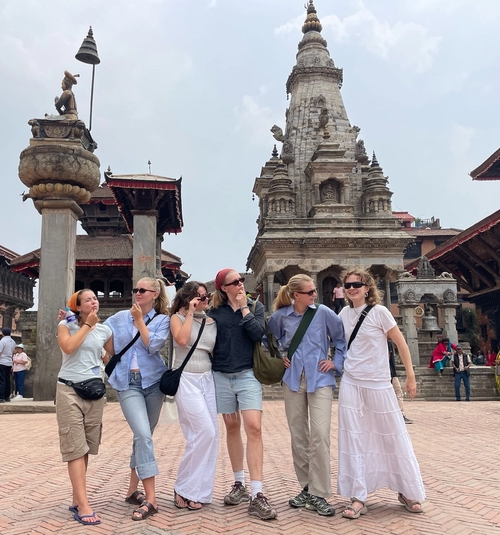
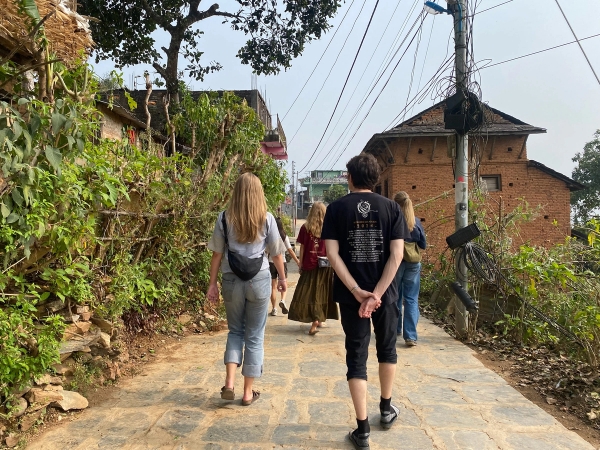
The dress code here in Nepal is quite different from what we have in Norway. It’s considered polite to wear clothes that cover your knees and shoulders when you’re out among people.
This is especially important if you visit smaller villages or are going into temples. When it comes to packing, it’s a good idea to bring shirts, long skirts and linen trousers, which are comfortable to wear even when it’s hot.

Holidays and festivals
Since most of Nepal's population is Hindu, the holidays celebrated here are completely different from those in Norway.
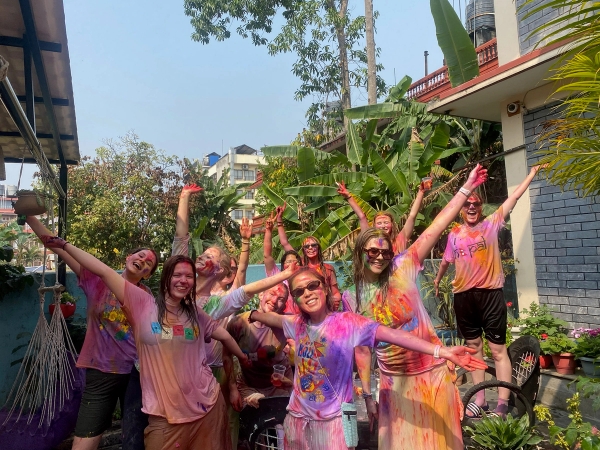
We have been able to celebrate both Shivratri and Holi during our time here. Shivratri is a major Hindu festival celebrated in honor of the Hindu god Shiva. Holi is a Hindu spring festival, known as the “festival of colors,” which is celebrated by throwing colors and water on each other.
We organized our own Holi celebration here at the student house, with a water fight and lots of colors! Afterwards we went out into the streets and joined the rest of the city in the celebrations. Holi was incredibly fun, and is definitely something you have to experience if you’re here during the spring semester.

Wedding
Some of us were lucky enough to be invited to a Nepalese wedding. It was an incredibly cool experience! Hindu weddings can last for several days and often have many hundreds of guests.
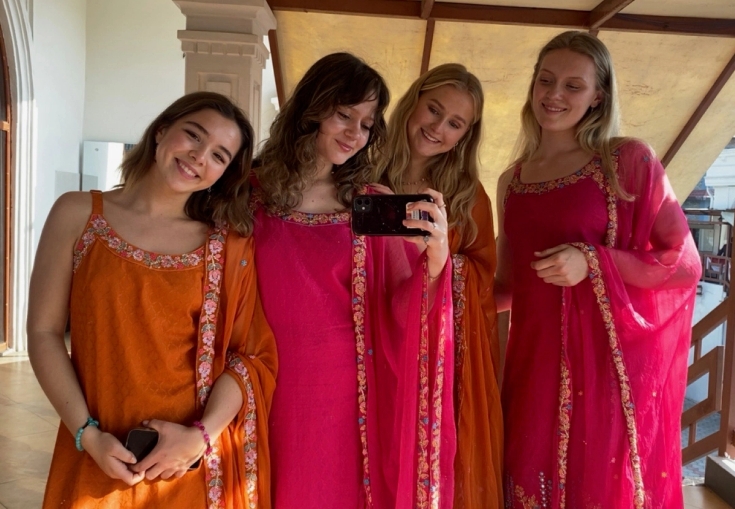
The wedding day itself is marked by many rituals, lots of food, music and dancing. We managed to buy ourselves kurta, a traditional outfit, which we wore during the celebration.
Getting to attend a wedding was a really great opportunity to get truly close to Nepali culture and traditions, and an experience I will never forget.

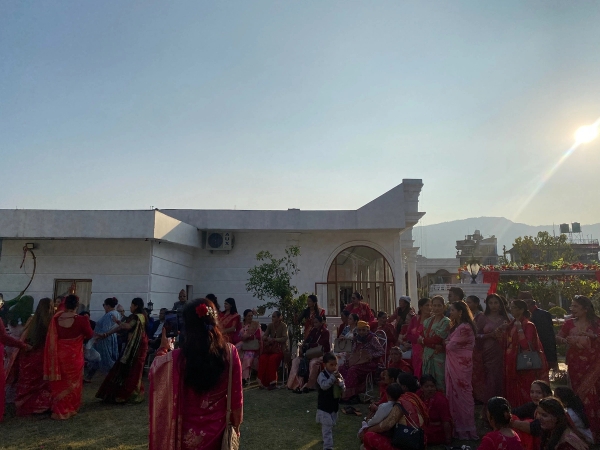
There were quite a few things that felt unfamiliar to me when I first arrived in Nepal. Part of the charm of studying abroad is precisely that you get to experience so many things that are different from back home.
Fortunately, you quickly get used to a different culture and new surroundings, and you find yourself appreciating your new everyday life. I believe the most important thing when moving to another country is to set aside prejudices and stereotypes and be open to what you encounter.