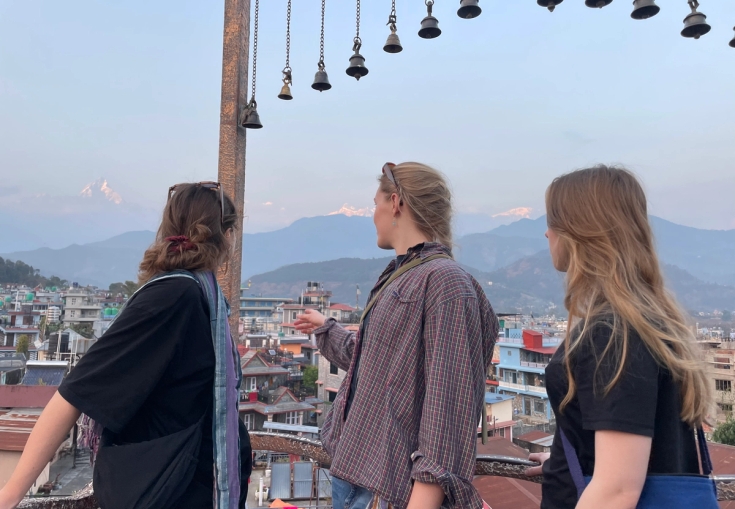
Everyday Life in Pokhara
Moving to a new country and a new culture always involves changes in what everyday life looks like, new routines, and new ways of doing things. In this post, I’ll take you through what student life looks like here in Pokhara!
This text is translated using AI.
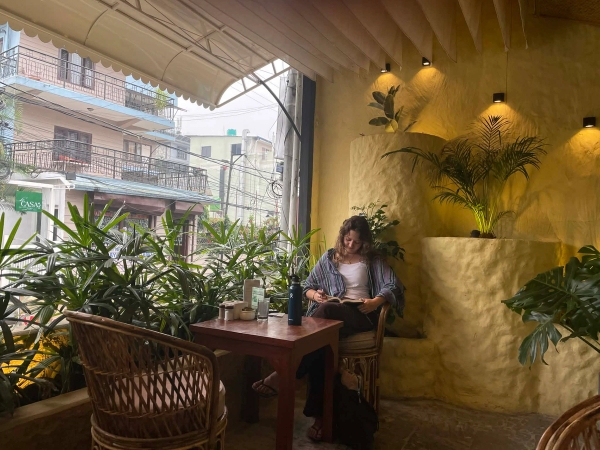
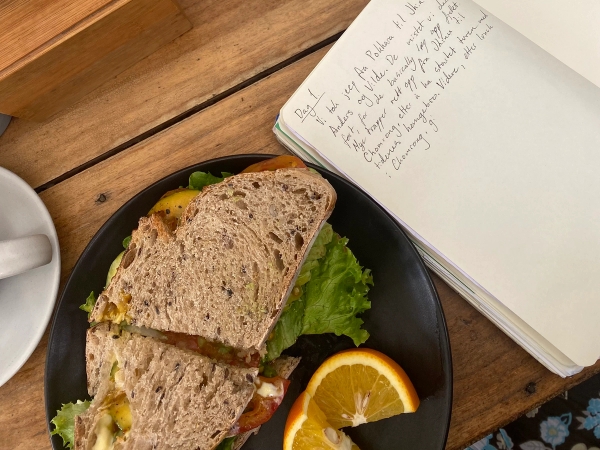
View the original article here.Mornings usually start with breakfast together. We have a kitchen where we live, or there are an incredible number of cozy cafés in the area where you can get a delicious breakfast for a reasonable price.
On some days, yoga is arranged before classes start for those who want to join. There are an incredible number of great yoga studios here in Pokhara, with many different options, so you can just try things out until you find what you like best.

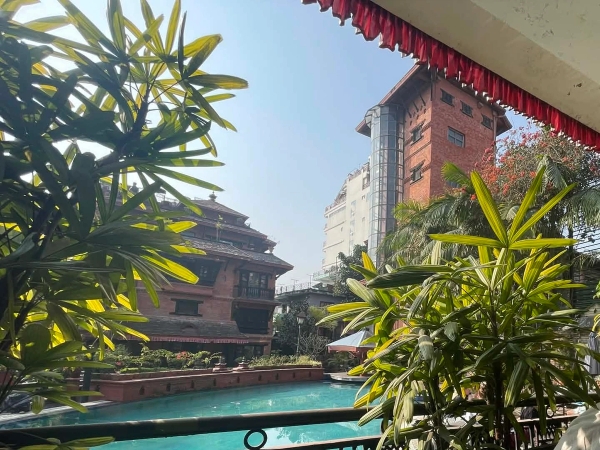
As a rule, we start classes at 9:00 a.m. The classroom is only a few minutes’ walk from where we live and is located in a very nice building.
There’s even a pool outside where you can swim and relax during breaks. The teaching is very varied, with a combination of seminars, lectures, group work, and excursions.
That means the days are always exciting and you constantly get to try out new ways of learning.

We eat lunch together on weekdays after classes at a place called Little Windows. The food there is incredibly good and varied, with everything from curry to pad thai to burritos.
After lunch we’re mostly free to read on our own or do other things. Once a week we also have something called “shut up and read,” where we sit together at a café in the area and read in silence.
It’s a great opportunity to get the reading done so you can spend the rest of the afternoon exploring the city!
Pokhara is the second largest city in Nepal and really has a lot to offer. We are staying in an area called Lakeside, right by the largest lake in the city, Fewa Lake.

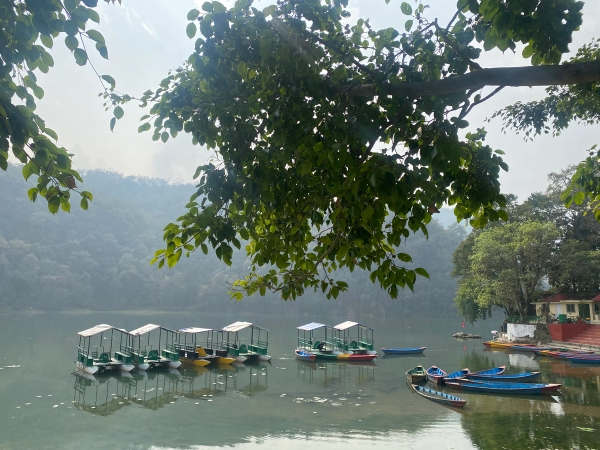
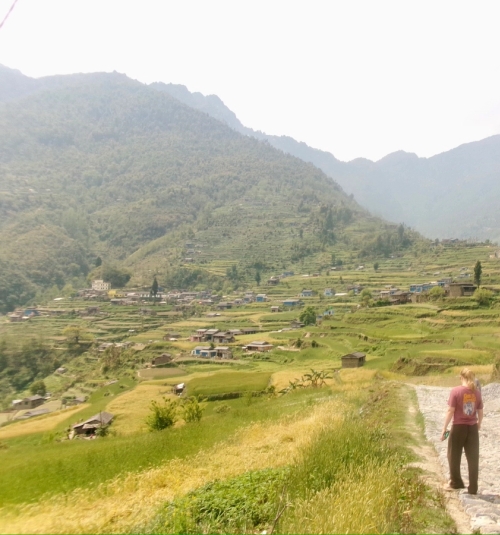
Here you’ll find plenty of cozy cafés and shops. Pokhara is often seen as a perfect starting point for trekking, so there’s certainly no shortage of stores selling outdoor gear.
I recommend not filling your suitcase with hiking gear even if you’re planning to go trekking here in Nepal, because there’s plenty of great stuff you can buy here at a good price!
There’s an incredible amount of cool things to do here in Lakeside, so it’s no problem finding something fun for the afternoons. If the weather is nice, you can rent a SUP or a boat and head out on the lake.
I can also recommend the outdoor cinema at Moviegarden, where a new film is shown every evening. Another highlight of the week is karaoke at The Juicery every Wednesday and Sunday, both for those who love to sing and those who prefer to watch.

Otherwise, downtown Pokhara is also an incredibly cool area. Local buses go there, which are a little adventure in themselves just to figure out.
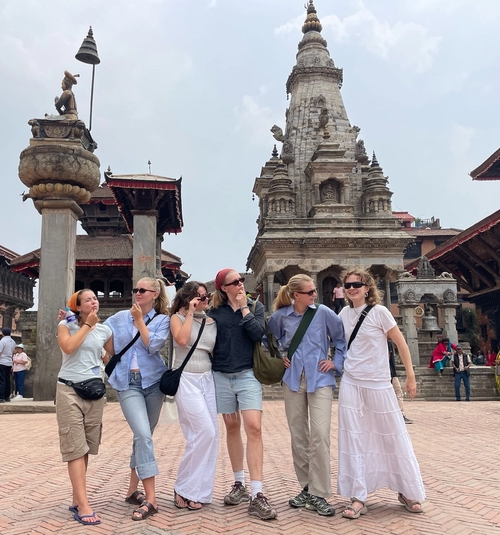
Once you get to the town center, there’s a much wider selection of shops and restaurants. There are also several temples that are nice to visit for a little afternoon outing.
As you can see, everyday life here in Nepal is incredibly varied and full of experiences, with an amazing amount of cool things to do. As you get to know your new hometown better, it’s also fun to start feeling a sense of everyday normality in a completely new country.