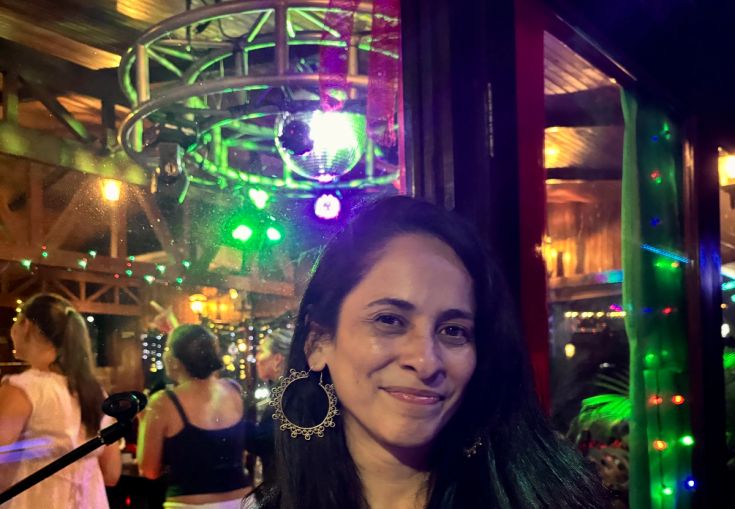
Interview with our manager, Raquel Bolaños
We’ve just been served lunch on an ordinary school day when I sit down with Kulturstudier’s local coordinator in San Isidro, Raquel Bolaños.
This text is translated using AI.
View the original article here.I was lucky enough that she agreed to an interview so that I, along with you readers, could get to know her a little better.
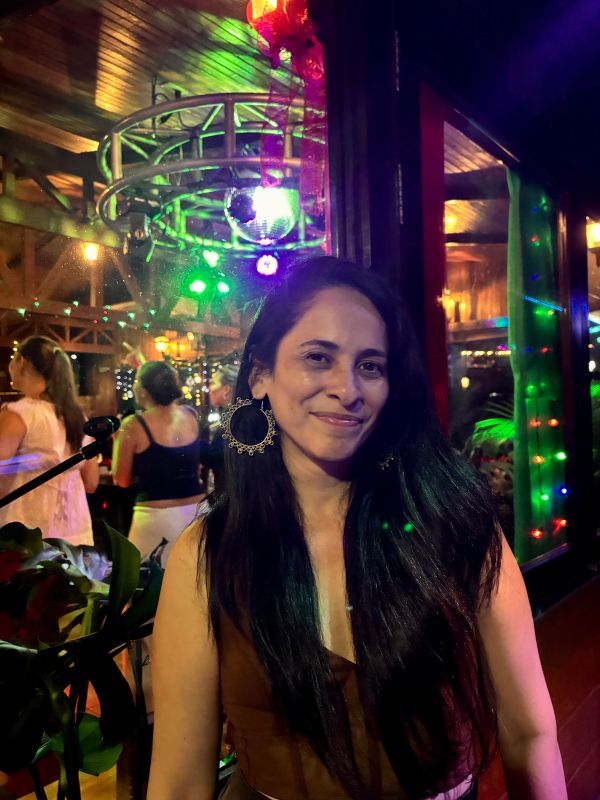
Raquel is the one who handles the local logistics for the programs in Costa Rica, and if you ask me, she does a brilliant job.
She organizes excursions, activities, and educational stays with host families, and is also the person we call when we need someone to talk to.

As I sat down across from her at the small cafeteria table, she greeted me with her usual warm smile. Before getting into the interview, we started with a few basic facts and favorite things to get to know her a little better.
Note: The interview was conducted in a mix of English and Spanish and was later translated into Norwegian by me, Guro.

Profile
Full name: Raquel Bolaños Davila
Age: 45
Education: Master's degree in Environmental Studies
Working with Kulturstudier since: 2023

Five favorites
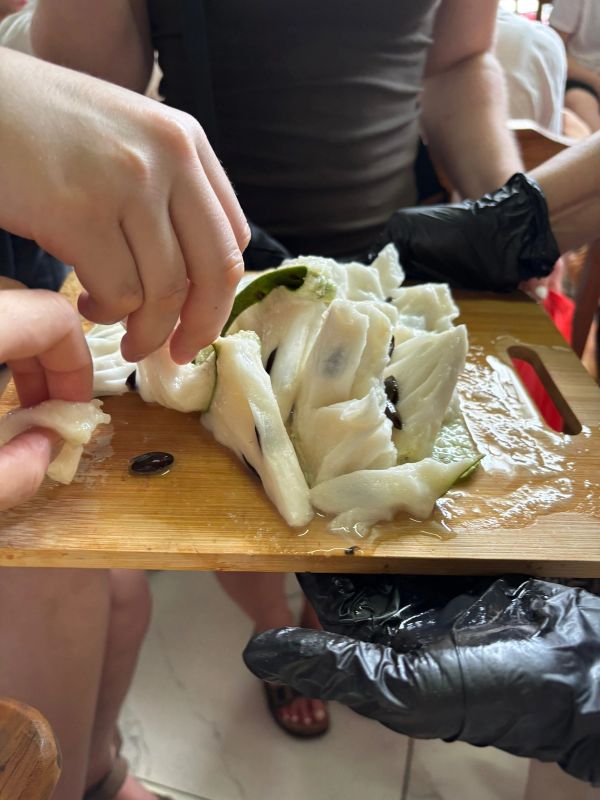
Fruit: Mango
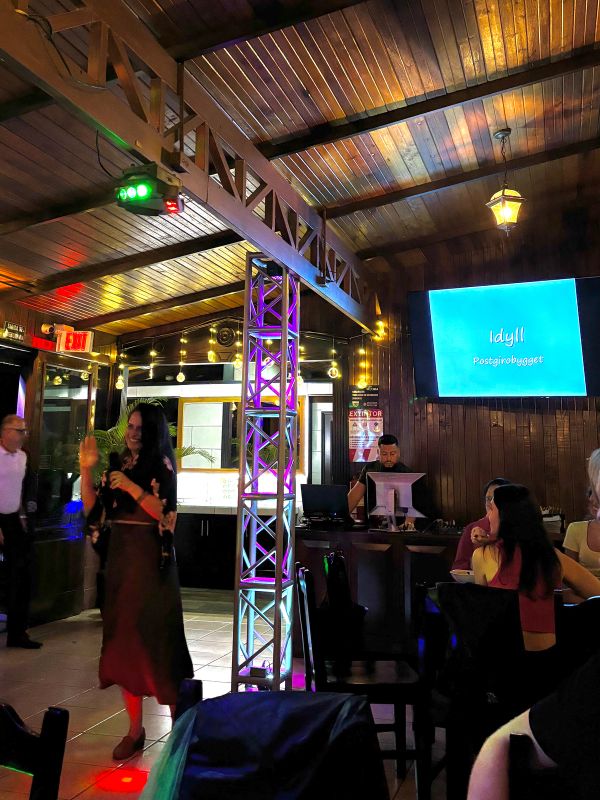
Karaoke song: “Idyll” - Postgirobygget
Color: Green
Coffee: Cappuccino
Film: “The Godfather”/“The Godfather”

Guro: What's the best thing about your job?
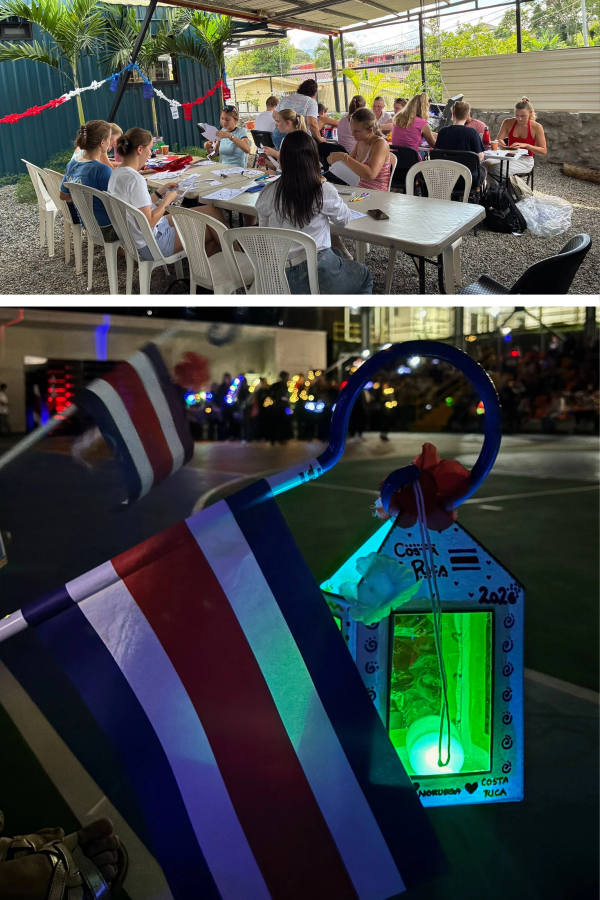
Raquel: I love being part of the “awakening process” that students go through with experiential learning. They gain valuable knowledge from this immersive experience, and I think it’s beautiful to be part of this process year after year.
Guro: So far, we’ve visited the fruit market, sung karaoke together, and taken trips to many exciting places in Costa Rica, among other things. Which activities do you enjoy organizing the most?
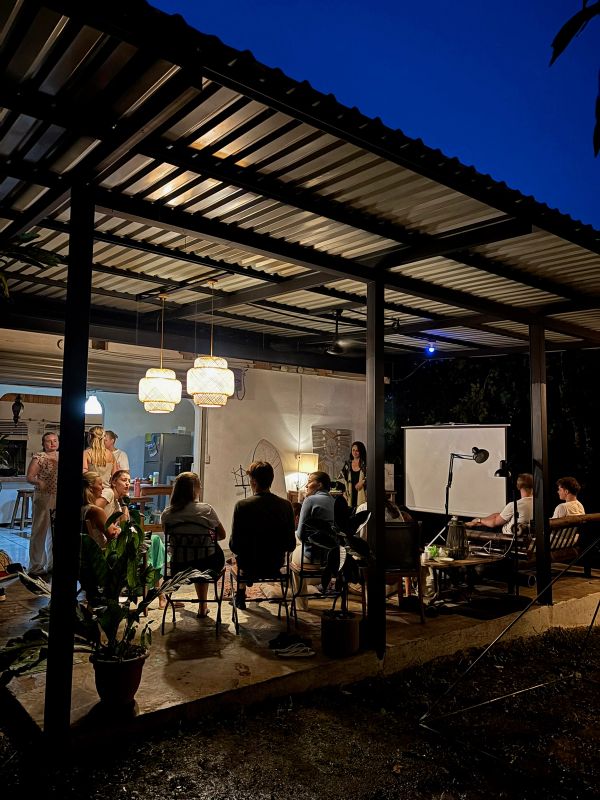
Raquel: First, I'd like to highlight karaoke nights, like the one we had at my place, where I can invite everyone over for a cozy evening together and make some good food.

Guro: I can understand that! I loved how you surprised everyone by singing “Idyll” by Postgirobygget in Norwegian!
Raquel: Yes, it was incredibly fun! There are also some activities that are more complicated to organize, such as certain academic field trips.
But giving you these experiences is always just as rewarding, so it's definitely worth the effort. They're what make the program so special, I think.
Guro: You are incredibly good at taking care of us, with an open heart for everyone. How do you go about tailoring the program to each student?
Raquel: The thing is, you have to care about everyone as individuals, and it's important to me to see each and every one of you flourish.
I see you as young people with a wonderful opportunity to explore a new language and a new culture. That's why, naturally, I'm also committed to helping you with any problems, big or small, so you have the space to truly thrive throughout your experience.

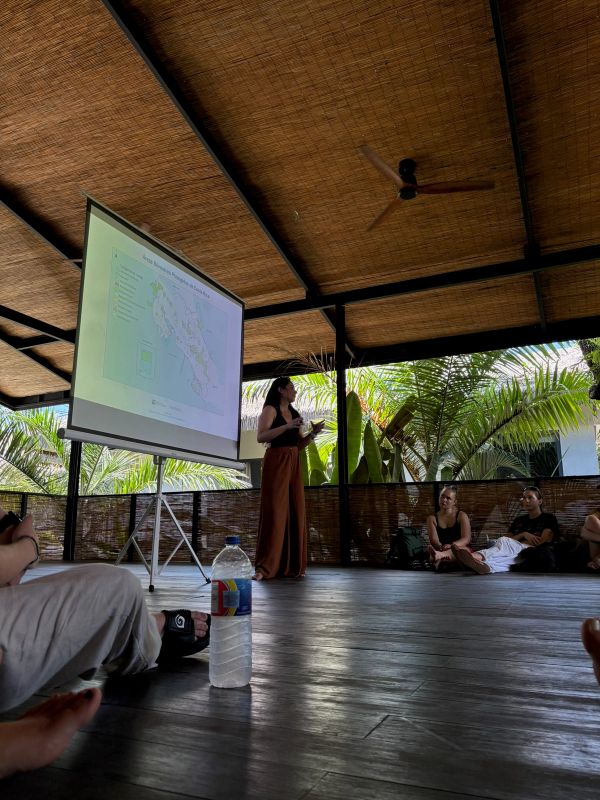
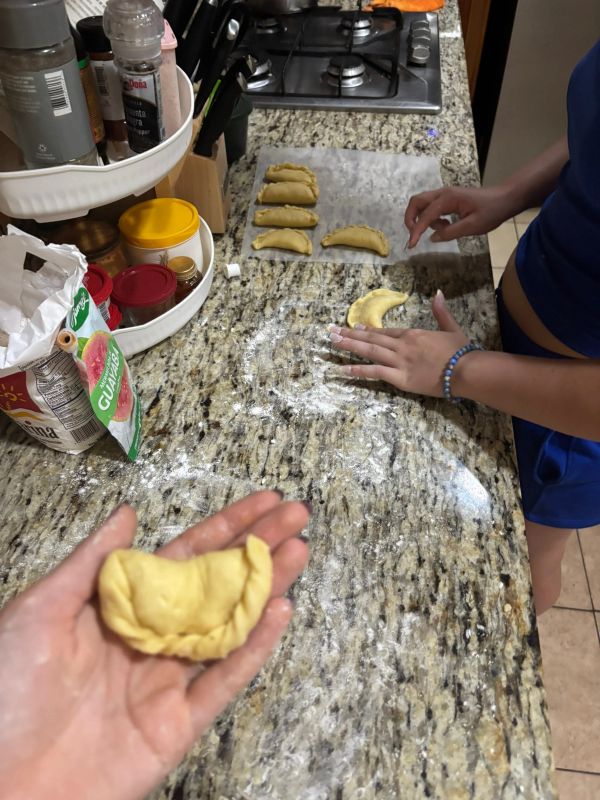
During the semester, we all spend about five weeks with a host family, giving us a unique opportunity to experience Costa Rican culture. The host families are all members of the local organization ‘ASOFEQUE’, a group of 13 women who work together to provide food service and catering in the local community.
Guro: My host mother often spoke warmly about how the group was a close-knit community where every woman had her role and everyone worked as a team. Personally, I loved the weeks I spent with my host family. I learned so much and grew incredibly fond of the wonderful family who took such good care of us. Can you tell us more about the host family arrangement?
Raquel: The collaboration with ASOFEQUE began as a sustainable way to support a local organization while giving students a deeper connection to the local culture during their stay.
Arranging host families is not as easy as arranging accommodation in the student residence where you will be staying for the rest of your visit.
But the rest of the Kulturstudier team and I value the opportunity to support the local community financially, and we see how much both the students and the families benefit from it every year. That’s why, for me, putting in the effort to organize this arrangement goes without saying.

Guro: What is the hardest part of your job?
Raquel: I think my biggest problem is that I care too much. I grow to love my students as if they were my own family.
My top priority is to be available to you as much as I can, so I can't always fully relax. But I love this job, and I'm so lucky to get to know so many wonderful students, so it's really not too much of a problem.
Raquel replies, still smiling warmly at me. It doesn't surprise me to hear how much she cares about our well-being.
No matter what we ask, she is more than willing to help us, and she responds quickly to every message. And if we look a little extra tired in the middle of the school day, she is always happy to come to our rescue with coffee in the cafeteria. She has an incredible knack for noticing what others need, and we are so grateful for that.

Guro: Do you have any advice for future students with Kulturstudier?
Raquel: The first thing I want to say is that it's important to be open to the major change that comes with moving to the other side of the world to learn this way.
Before you come here, you simply need to prepare yourself to immerse yourself in the culture and live like a true Costa Rican for a little while.
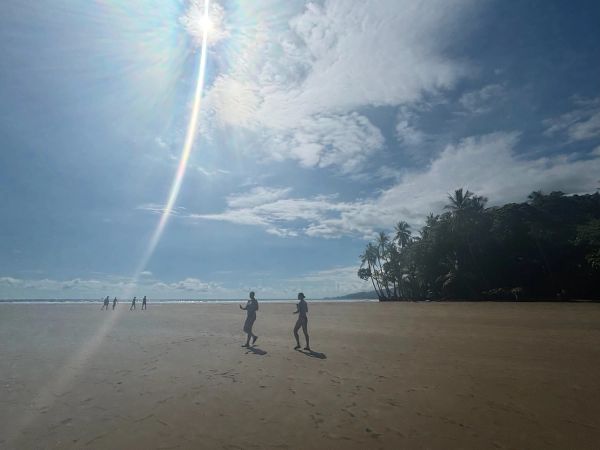
In the past, I have also had students who think these months are a relaxing beach holiday with sunshine and warm weather. But at its core, it is an educational experience with mandatory classes and assignments. While enjoying your free time outside school, you also need to establish an academic routine in a new country with new people.

Guro: Before we wrap up, is there anything else you would like to add?
Raquel: I really just want to express my gratitude to the students who trust Kulturstudier to give them this experience.
It is a privilege to work in a professional organization with strong values that foster cross-cultural encounters. Thank you so much for your trust!
And a huge thank you to you, Raquel, from me and everyone in our student group. Thank you for the fantastic work you do every day so that we can enjoy our time together in San Isidro this fall.
We see how much you care, and we love seeing your wonderful smile every day. I don't think the experience would have been as good without you and your support.