The apps and websites that actually make life easier in Asia
Landing in a new country (and perhaps an entirely new continent) evokes a very special feeling. A bit of butterflies and some chaos. And a small voice in your head wondering, "how do people actually do this?"
This text is translated using AI.
View the original article here.When I first came to Asia, I quickly realized how different things were from what I was used to at home.
One of the things I quickly noticed was that I wished I had been more prepared for all the apps and websites that can make traveling and the experience much easier and better.
So here is the list of apps and websites I wish I had when I landed. These are the apps I use to communicate, for school, to get from A to B, and to find the best experiences!

Communication
Even before I landed in Asia for the first time, I understood how much easier things become if you have the app WhatsApp.
This is an app that is used for communication across nearly all of Asia. From arranging transportation, booking an activity or experience, receiving notifications when your tailored clothes are ready, to reserving a table for a group dinner.
This is really an app I recommend downloading before you travel.


For the study routine
Studying in Asia was a big change from sitting in the library in Norway.
Suddenly I was sitting in a café with the air conditioning on full blast, drinking my second cappuccino for 10 Norwegian kroner that day, while trying to focus on reading about the country's development.
Here are some important apps that have helped me in my daily studies:
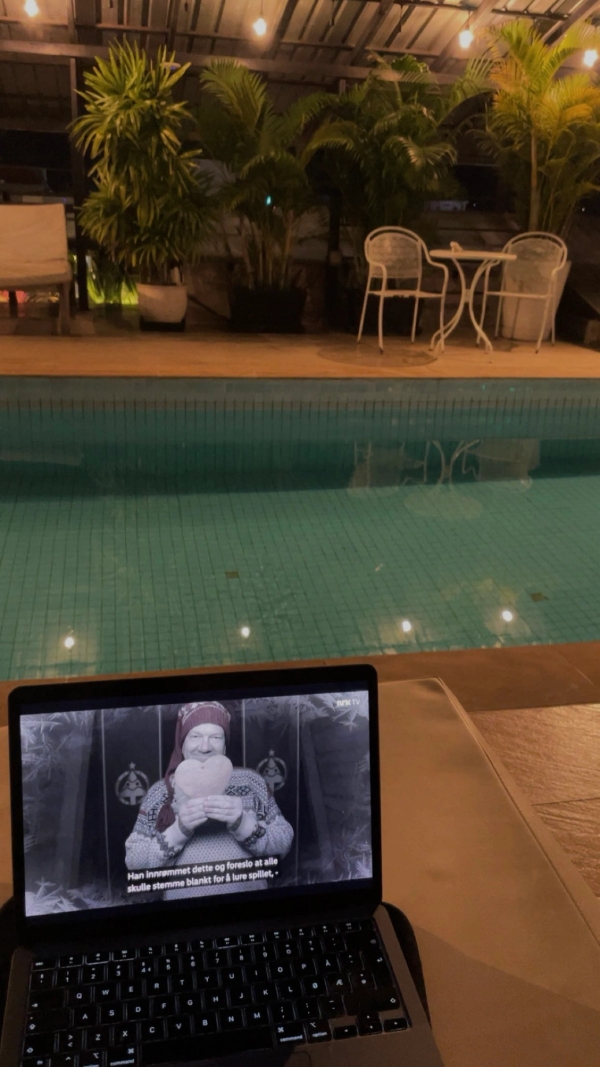
- VPN: You need this to access various Norwegian websites and university systems. And it's the perfect app for organizing social evenings where the class watches 'Dancing with the Stars' or similar programs together.
- Canvas: With the Canvas app, you can more easily keep up with important messages and access the most important documents for the course.
- Google Translate/DeepL: Two different apps for translation. In an academic setting, I often use DeepL to help with words I forget, or to find synonyms for a word I've already used 100 times in the text. I mostly use Google Translate in everyday life when I try to convey something to locals, but am not fully understood.

How to get from A to B without going crazy
When you're at the airport, sweaty and tired after a long day, it's always nice to know that you can get safely to your accommodation.
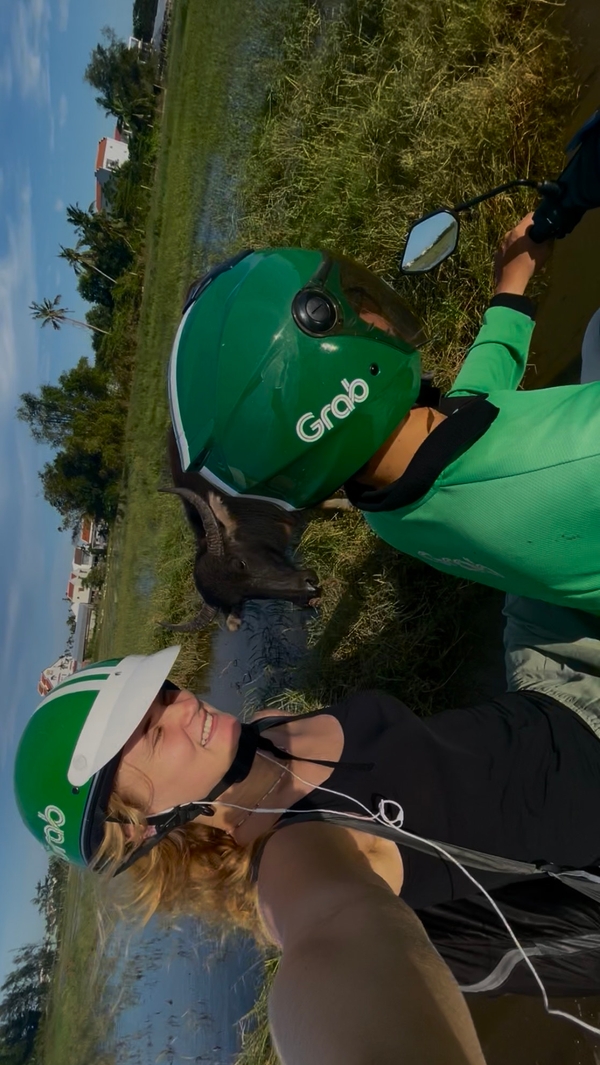
In Norway, we have Bolt or similar apps for cheaper taxis, in Vietnam and many other places in Asia they use Grab. Grab is actually both a taxi and food ordering app.
For longer trips and travel, these are my most used apps in Vietnam and elsewhere in Asia:
- 12Go Asia: Easy to use to find the best route, and what alternatives there are. Can be used for buses, trains, and ferries.
- Google Maps: Because Apple Maps has decided to take a vacation in large parts of Asia... Just kidding, but Apple Maps doesn't work very well in Asia! Another advantage of Google Maps is that you can download the area you're going to in advance, so you're sure you know where you are and where you're going, even if you don't have internet access.
- Skyscanner/Google Flights: My most used apps for finding the cheapest airfares and the best flight routes. If there's something I recommend spending a little extra time on, it's finding flight tickets. There's a lot of money to be saved here.

Tours, activities, and experiences
One of the first things I do when I arrive at a new place is to try to figure out what I should do there.
Often, the list of things I feel I should experience becomes long (that's why it's smart to create a 'bucket list', which I wrote a blog post about earlier).
Some of the apps that have been very useful when I'm trying to figure out what I want to do are these:
- Klook: Many different organized tours, and you can easily go through reviews from others who have done that exact activity.
- GetYouGuide: Same concept as Klook, but I have noticed that the prices can vary a lot, so you might want to try both.
- TikTok: perhaps the most used source of travel inspiration for my generation. Easy to use, and helpful to be able to see videos and pictures of the activity before you decide what you want to do.
- Blogger: I often check out bloggers if I'm looking for additional information, and want a kind of "specialist" review. There are many who make a living from traveling and share their experiences.
An additional tip if you want to ensure that the money goes directly to the company and not lost to a third party, is to send a message directly to the service provider. The activity will often also be cheaper.

Other useful apps
Finally, I should mention some additional apps that might also be good to have:
- TravelSpend: If you're traveling on a budget, this is a very handy app to have for keeping track of how much money you've spent, and especially on what!
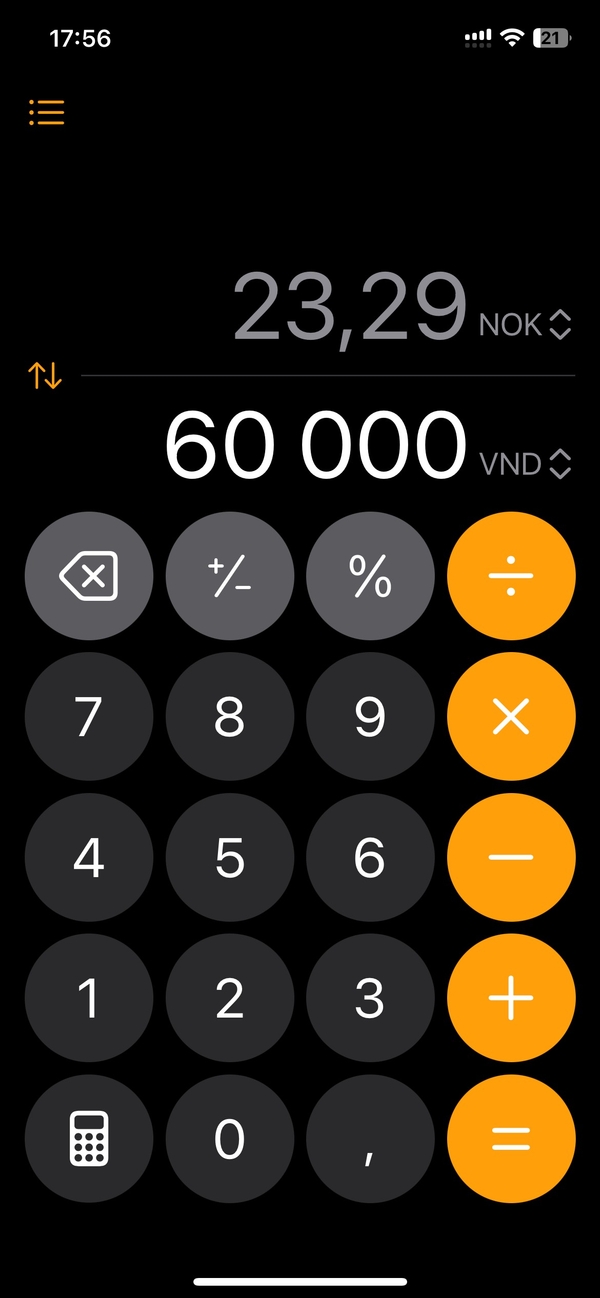
- Currency Calculator: It's not always easy to keep track of how much that meal actually cost, and that's when it's always handy to have an app that does this for you. It's possible to download various currency calculators. If you have an iPhone, there's also a feature that converts the calculator into a currency calculator.
- Travel Insurance App: Most insurance companies have their own app that allows you easy access to your insurance documents. Hopefully, you'll never need to use this app, but if an accident does happen, you'll be glad to have it!

In the end ...
It takes time to find your flow in a new country. The first time you order Grab, or when you stand confused in the store because you don't understand how much something costs, you think "what am I doing".
But after a couple of weeks, it becomes second nature. This is one of the things I like best about traveling and living in Asia: you learn, make mistakes, and laugh at them later. And before you know it, the place that was completely foreign a few weeks ago has become a new home.
I hope that this list of apps can make the start of your stay a little less chaotic, a little safer, and much more fun!