Learning to tell more than one story
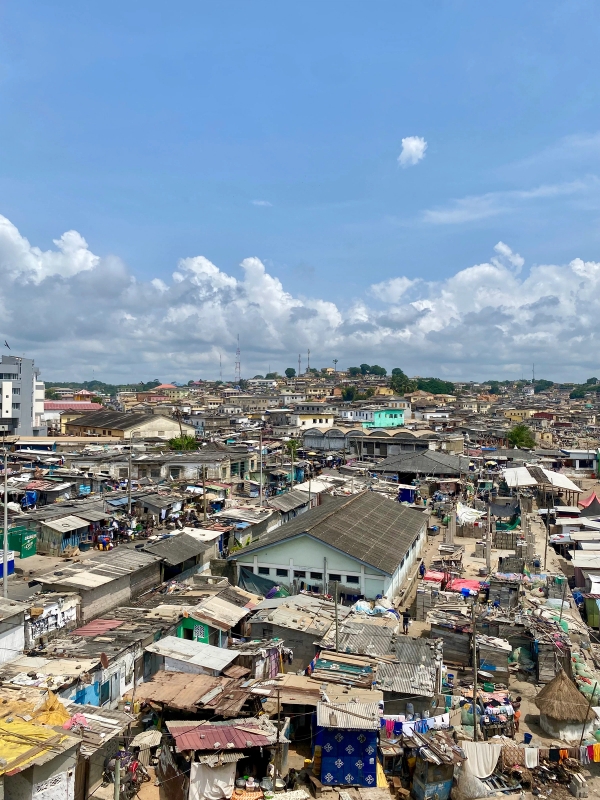
I went to Ghana without too many conscious expectations. After having been here a few weeks, I realize that I still had some preconceived ideas with me beforehand.
This text is translated using AI.
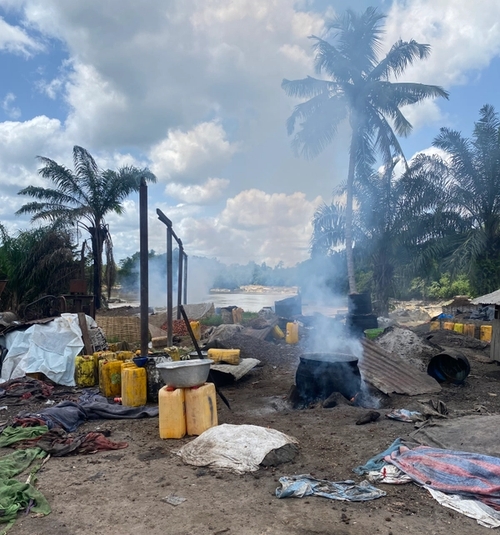
View the original article here.Much of what I have previously seen of photos and videos from African countries on social media has been related to poverty, emergency aid, or underdeveloped areas.
Even though I’ve always been aware that this doesn’t show the whole story, it still helps shape certain expectations about what the country should be like.

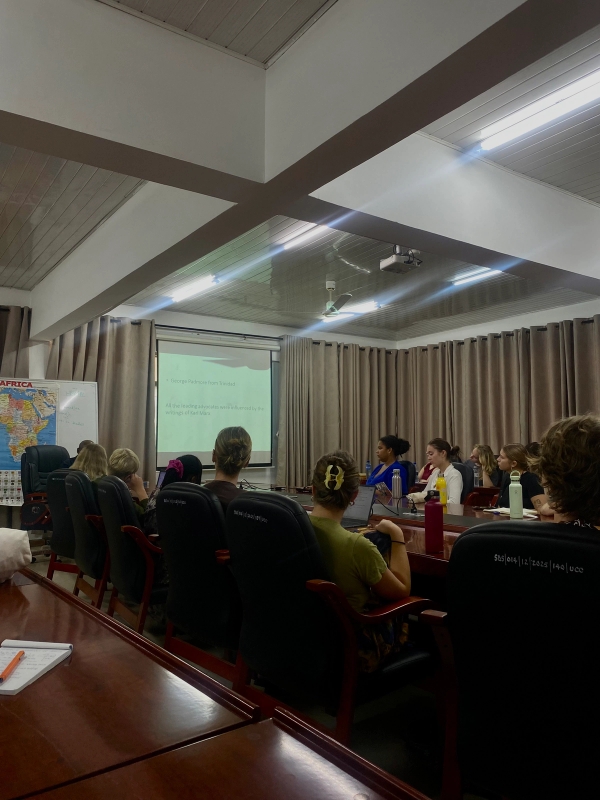
This week we watched a TED Talk called “The Danger of a Single Story” by Chimamanda Ngozi Adichie in the classroom.
She talks about how dangerous it can be when we have only one story that defines a person or a country. She said that the problem with stereotypes is not that they are necessarily wrong, but that they are incomplete.
It made me think about Ghana and the perception many people have of Ghana, but also of African countries in general.

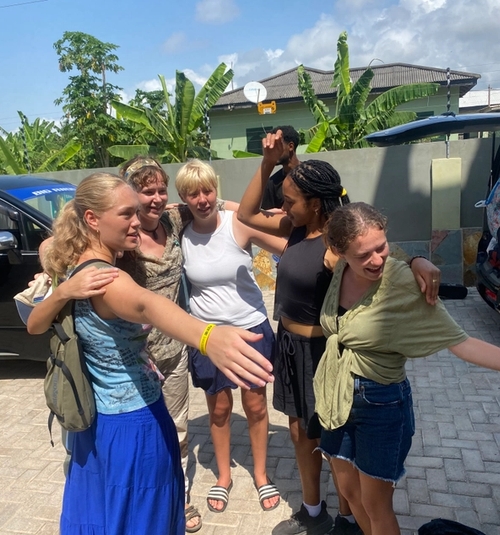
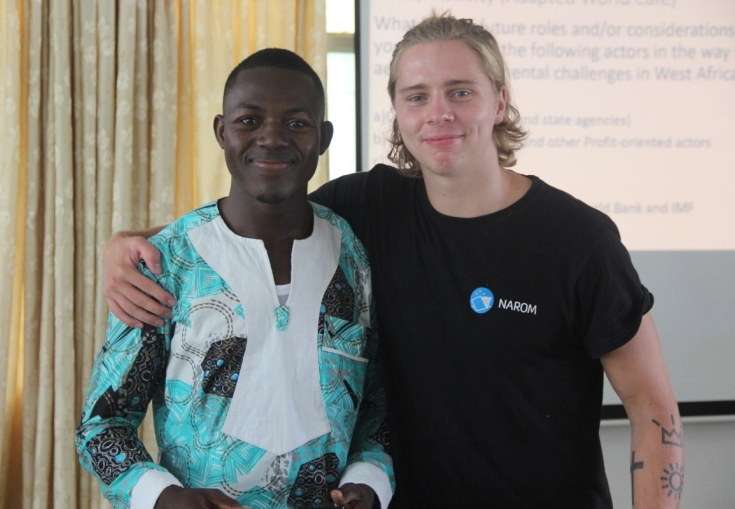
One of the evenings we are sitting together having dinner when one of the Ghanaian students shares the food they brought from home.
We were shown how it was meant to be eaten and had the dishes explained to us. The conversations eventually turned to the colorful clothes many Ghanaians wear, various brightly colored shirts and dresses made from African print fabric.
The local students told us how we could buy the fabric at the local market and have absolutely anything we wanted sewn by the local tailors.

Experiences like these have made me think even more about how we talk about poverty.
Often it is a matter of economic capital, such as income and material resources. At the same time, this definition greatly limits the way we understand wealth.
These meetings have made me reflect on how wealth can also be expressed through openness, community, and the willingness to share knowledge and experience.
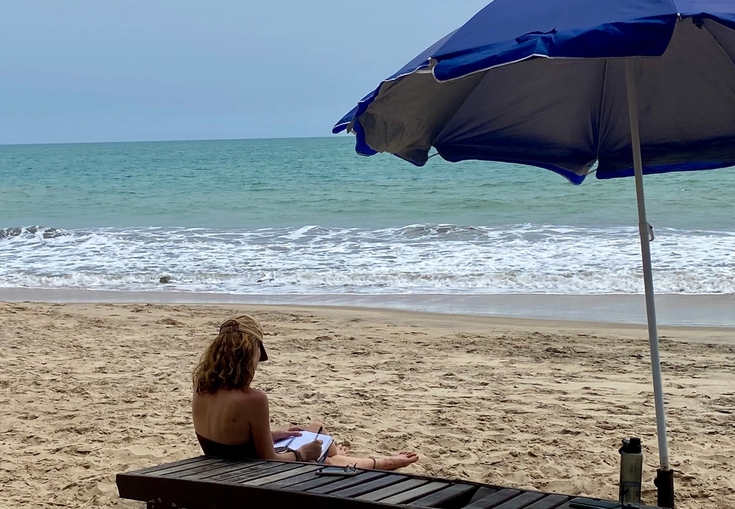
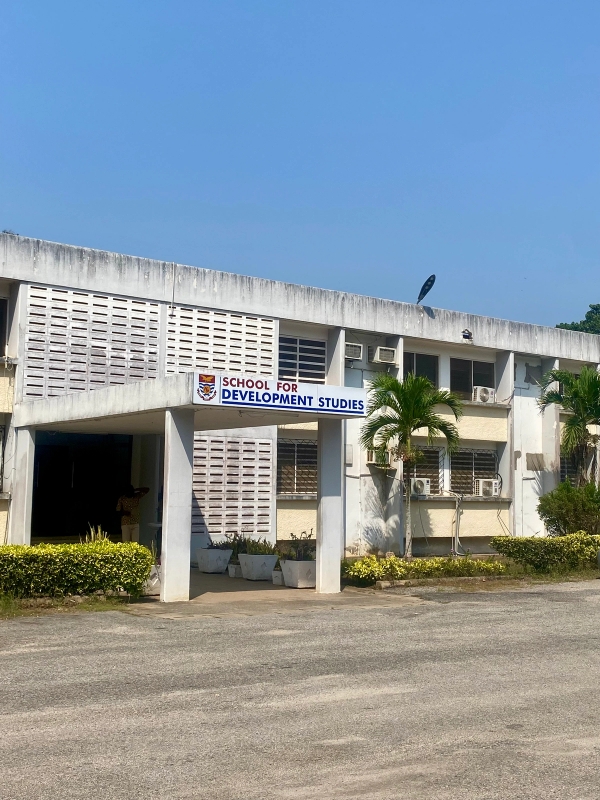
Student life here is very varied and multifaceted. It consists of discussing different theories about poverty, but also of spending two days a week at the beach.

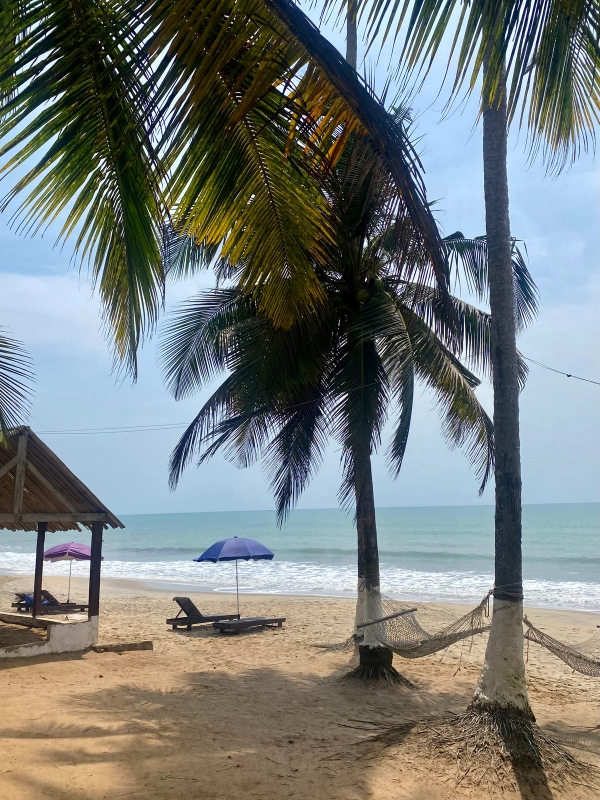
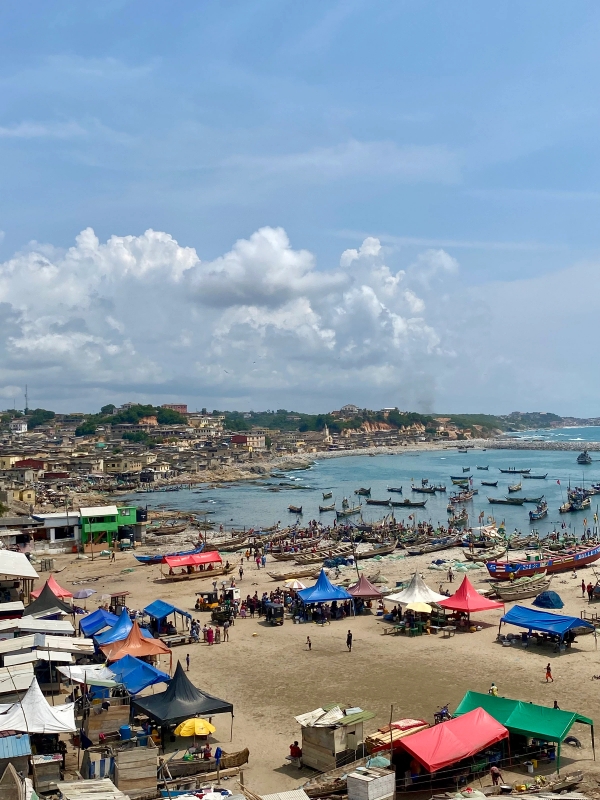
In the lectures we learn about colonial history, and this weekend we visited Cape Coast Castle. There we got to see and hear about the history of the slave trade and the impact it still has on society and the world today.
It’s this complex everyday life that makes me feel a responsibility in how I choose to talk about the stay.
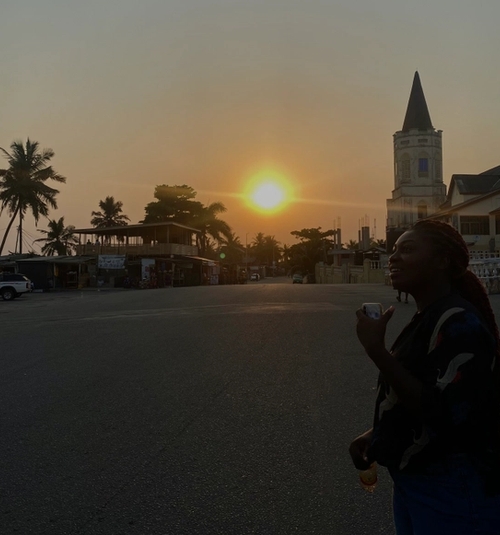
It’s very easy to share photos from the beach and talk about everything that’s different from back home (and yes, that’s pretty much everything). At the same time, it’s easy to highlight the impressions that are heavier, like the visit to Cape Coast Castle.

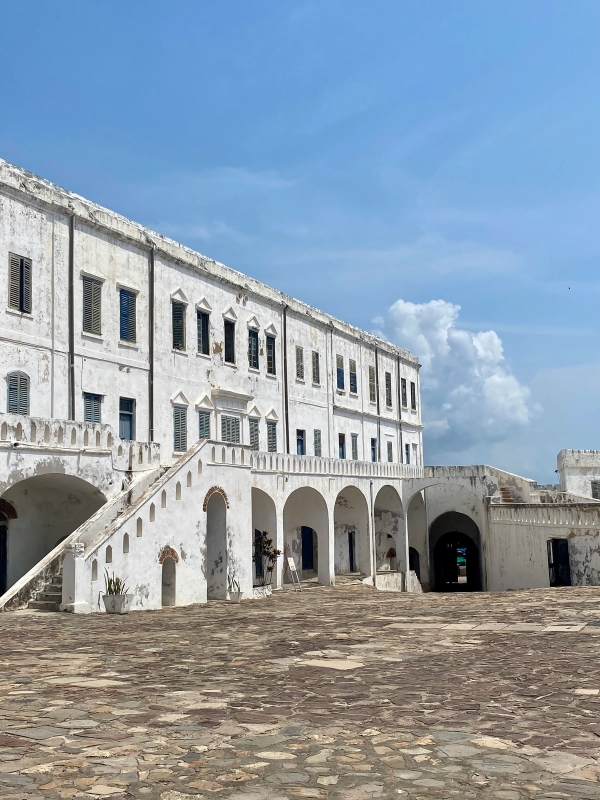
Both are Ghana. But neither of them tells the whole story.
Ghana is not an either-or. It is both a heavy colonial history and a present marked by community and optimism. There are structural challenges, but also people who are getting an education and looking ahead.
When Chimamanda Ngozi Adichie talks about the dangers of a “single story,” it is also about power. Who gets to define a country? Which experiences are mentioned?
As students in Ghana, we have the opportunity to see things from several perspectives. That is precisely what makes it so important to be conscious of how we communicate what we experience to others. Because perhaps it’s not only about what we learn, but about how we use it when we return home to Norway.

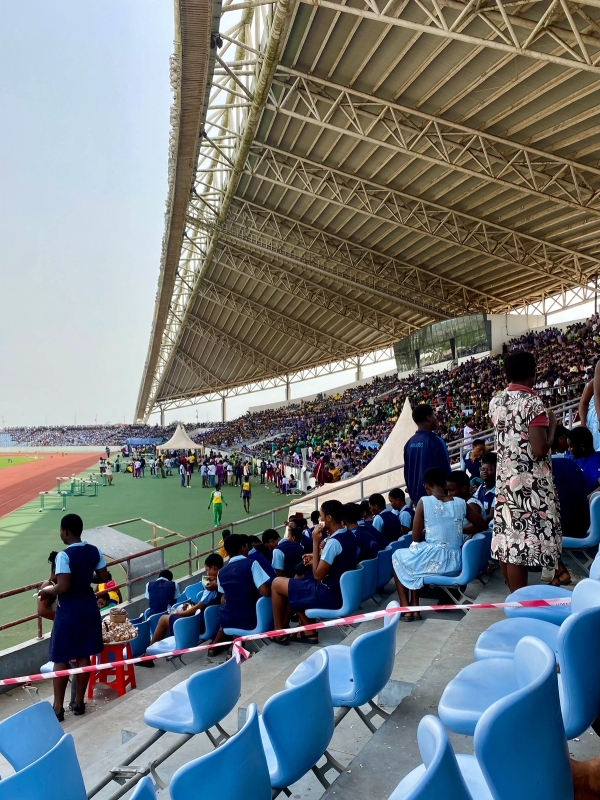
That’s why I try to be conscious of what I myself choose to highlight when I talk about Ghana to others.
For my part, this means the following:
- Trying to show more sides of the places I visit, not just what stands out or confirms the typical ideas of how they’re supposed to be
- To talk about both the challenges and the joys while also trying to understand why things are the way they are.
- To take the time to talk with and listen to the people I meet here. To let their perspectives have a place in what I tell people back home.
- Being honest about what I don’t fully understand, instead of pretending I see the whole picture.