Things I’ve stopped thinking about
What makes Cape Coast Cape Coast.
This text is translated using AI.
View the original article here.It’s strange to think that everything that feels normal now was completely unfamiliar just six weeks ago. Only six weeks ago I was sitting there on the bus, staring intently out the window so I wouldn’t miss a thing!
The sounds, the people, the buildings, and the rhythm of those who live here. I noticed every little detail and tried to understand the everyday rhythm. Now most things happen without me thinking about it anymore. Not because it’s any less special, but because it has become a part of what a day here is like.

The humans
One thing that felt incredibly unfamiliar to see at first was the strong women carrying everything from water jugs to large trays of fruit on their heads, with a balance and calm that seems completely effortless.
Before, I used to stop and watch, fascinated by how it was possible. I’m still just as fascinated and I still watch, but I no longer need to stop. Now I’m more afraid of getting in their way!

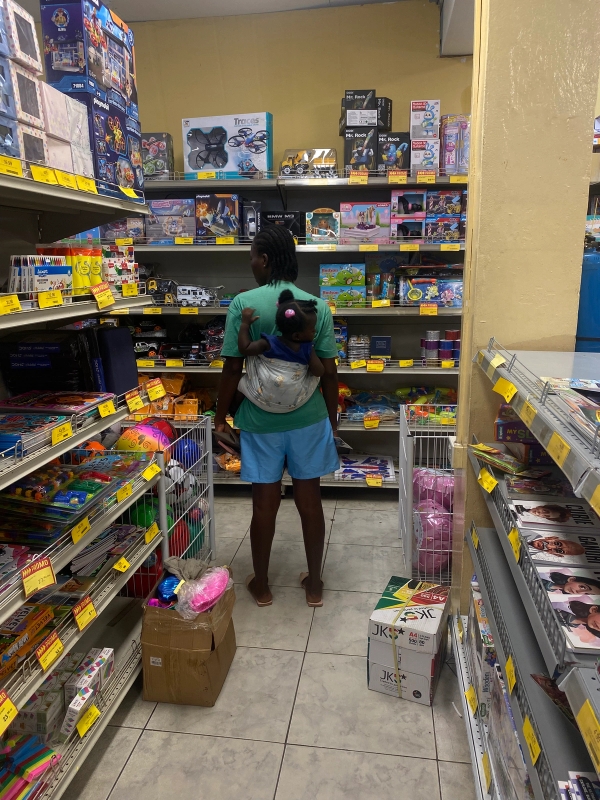
Everywhere you look, you can see mothers carrying their children on their backs. All through the day, the child is with them for everything from work to getting around. There’s something very natural about it, something that shows how care and everyday life work here.
And then there are all the people you meet. Everyone says hi. Someone calls out to you from the other side of the road to ask how you’re doing. At first it felt strange to be called out to like that, almost a bit overwhelming – but now it’s just part of the everyday rhythm.
The same goes for the willingness to help. If you look a bit confused, people will stop to check what’s going on. They explain, show you the way, even if they might not be completely sure themselves. People here are so open and so eager to help, and that’s something I will never stop appreciating!

The streets
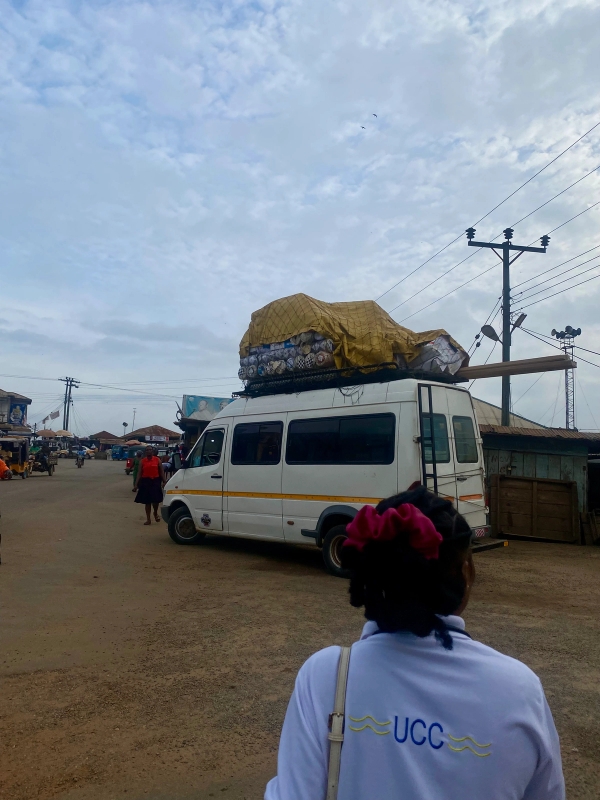
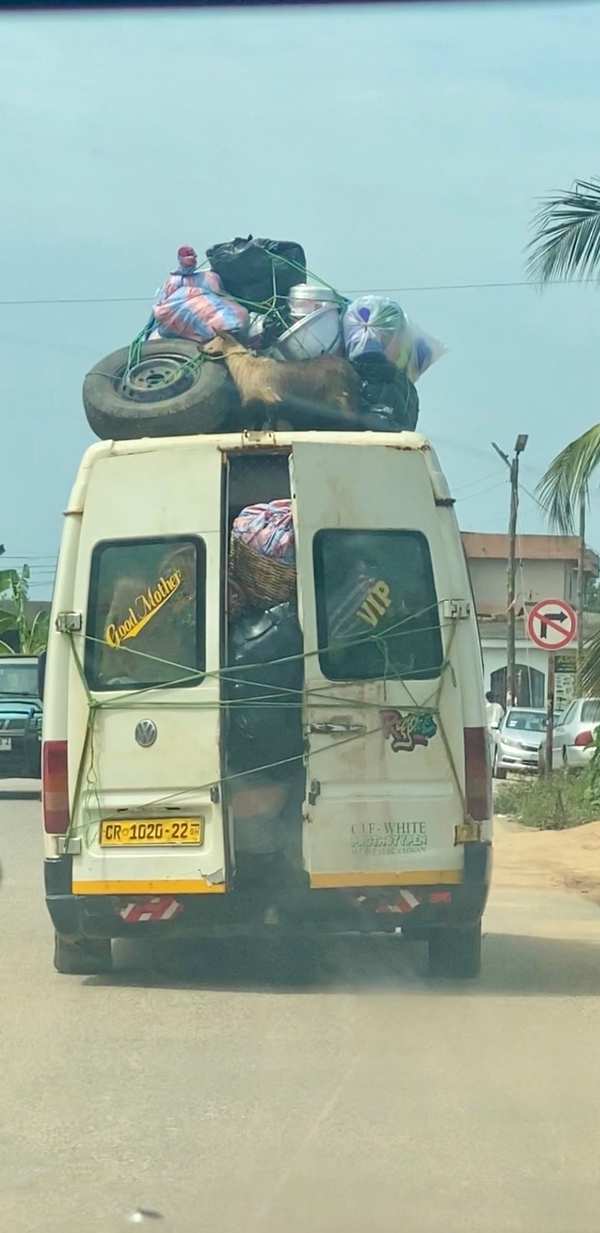
Getting down to the store or wherever we’re going has also become normal. Jumping into a taxi you share with strangers, squeezing into the back seat and sharing space and brief glances without necessarily saying much.
This will always be a bit funny and special, but that’s how everyday life is. That’s how we get around!

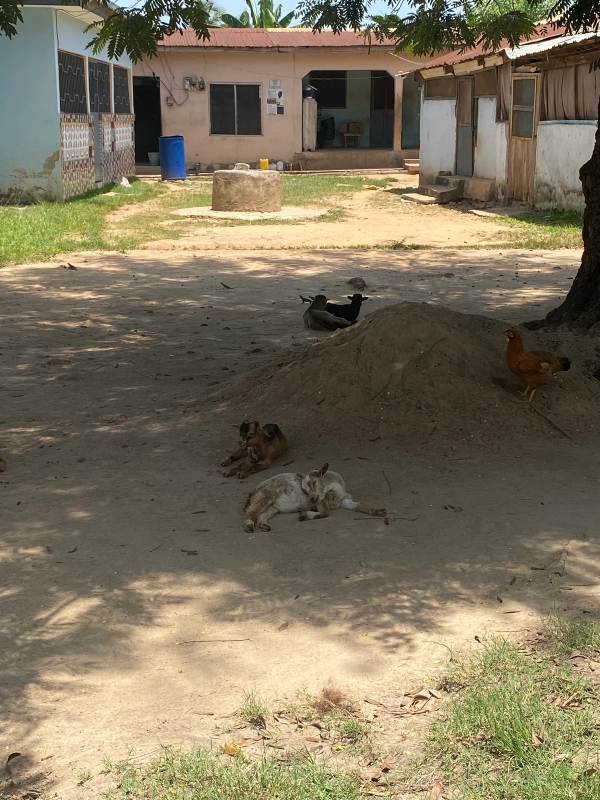
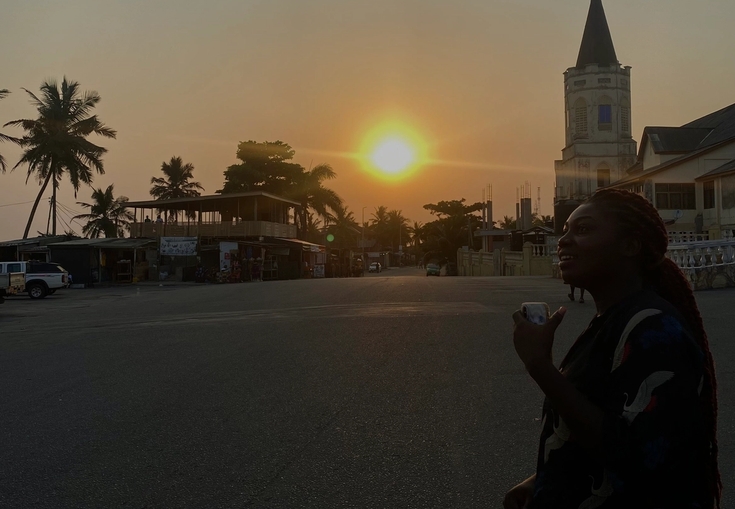
The streets have a life of their own, and this also means seeing chickens and goats roaming around freely. Just like people.
It’s always a bit of fun to see the goats sneaking fruit from one of the stalls along the streets! The first few times I saw them, I always stopped and told the people I was with about the goats, and I still often take pictures of the cute goats.
Time
Time has probably been the biggest adjustment. “Ghana time” is not just an expression, but something we really have to deal with in our everyday lives.
Things don’t necessarily happen when you think they will, but often some time after that.

In the beginning it was quite frustrating not knowing when something was going to happen, and I won’t lie, I still get a bit annoyed when I have to wait three hours for pizza, but now I’ve just accepted that that’s how it is.
I no longer expect the same pace that I’m used to back home.
Maybe it’s not about things moving more slowly, but about having a completely different everyday pace here. It’s not the tight and organized sense of time we have back home in Norway. It’s a different rhythm, and it’s something we gradually adapt to.
Who you are
Being called “obruni” is also something I’ve stopped reacting to. This is a slang term that means foreigner, and is most often used for a person with light skin. At first it felt strange to be shouted at like that, to be reminded of something that is actually quite obvious.
Now it’s just part of how I’m received. A word that makes me stand out, but also puts me in a category. Basically, I don’t mind it, but being an “obruni” comes with expectations, maybe an assumption that I have money.
That my skin says something about what I have access to, before they’ve actually spoken to me, was new to me. It’s strange to be read in this way – to be placed in a category with certain traits based on skin color alone.

Life and death
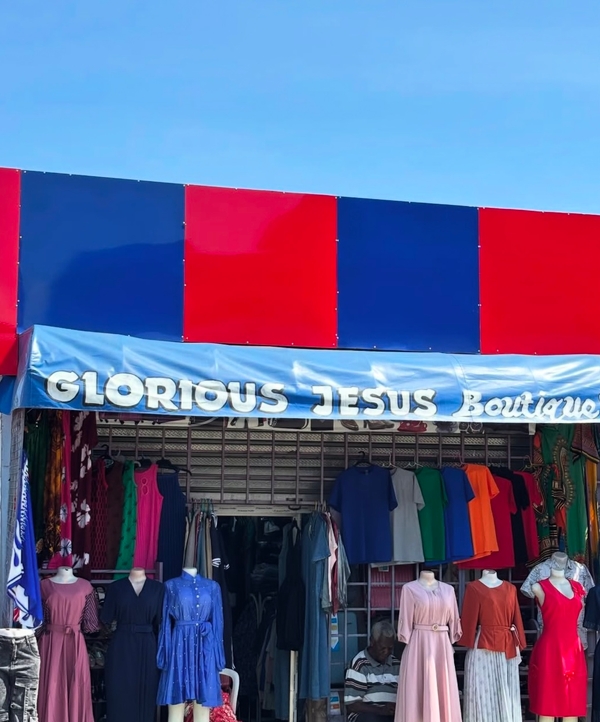
Religion is not something that is limited to specific times or places. It is everywhere. In music, on shop signs, on walls, and in conversations.
And then there are the death notices. Large posters with faces, dates, and names. They’re put up on walls, poles, and buildings all over the city.
At first this was very strange, a constant reminder of death. Now they’ve become part of the cityscape, something I no longer stop to look at. There’s also something beautiful about that. Making visible the lives that have been lived, the way they celebrate a life lived, instead of only mourning the loss.
This is probably what makes it so special to stay in another culture for a longer period of time: the things that happen every day don’t stop being special, but they become part of everyday life!