The first week of fieldwork in Ghana
One of the things I was most looking forward to with the program in Ghana was the fieldwork. Now we’re finally underway: three weeks in the field, where we get to try our hand at interviews, observations, and experience a completely different part of Ghana!
This text is translated using AI.
View the original article here.One of the things I was most looking forward to with the program in Ghana was the fieldwork. Now we’ve finally started three weeks in the field, where we get to try our hand at interviews, observations, and experience a completely different part of Ghana! We organize our own days, and we can learn more about whatever topic we want.
This year we’ve been divided into seven groups, with three to five people in each, and sent to seven different places. My group is doing fieldwork in a small town about two and a half hours away from Cape Coast.

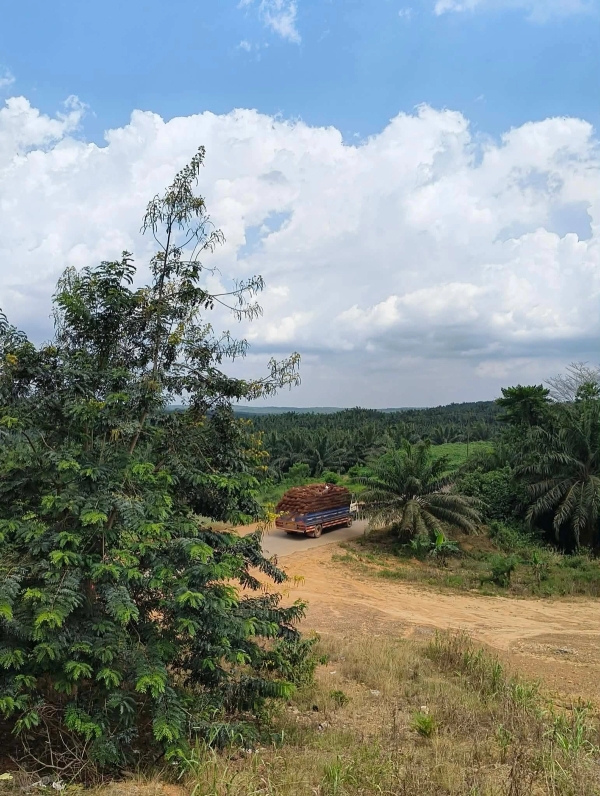
The drive here turned into a cozy road trip, and it was actually already then that we realized we wanted to change direction on the topic we wanted to learn more about.
Before we left Cape Coast, we had planned to focus on illegal mining and how it affects cocoa production.

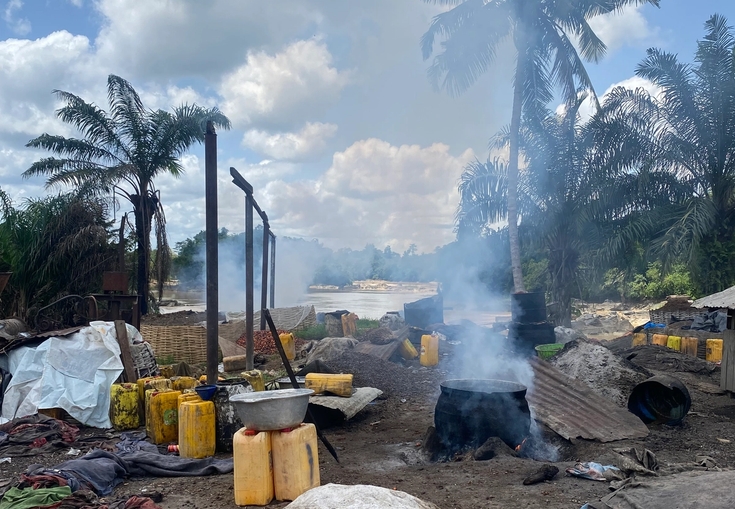
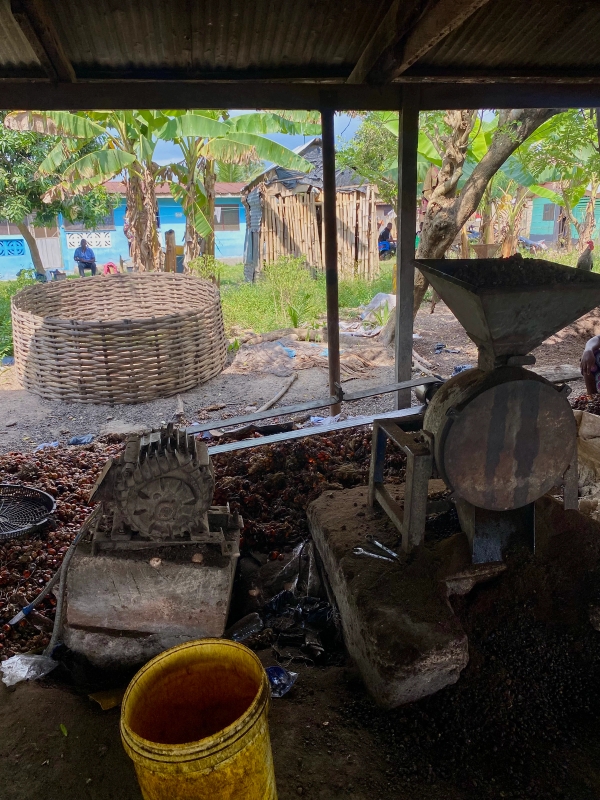
And on the way we stopped by a small mill that produced palm oil, and when we arrived at the hotel, we were surrounded by palm oil plantations.
When we realized how important palm oil is here, it became more natural to focus on palm oil and cocoa. Because what do I really know about palm oil? Other than that in Norway it’s almost taboo to even mention it.

This is probably one of the first things we learned in the field: things are constantly changing, and often things don’t go according to plan.
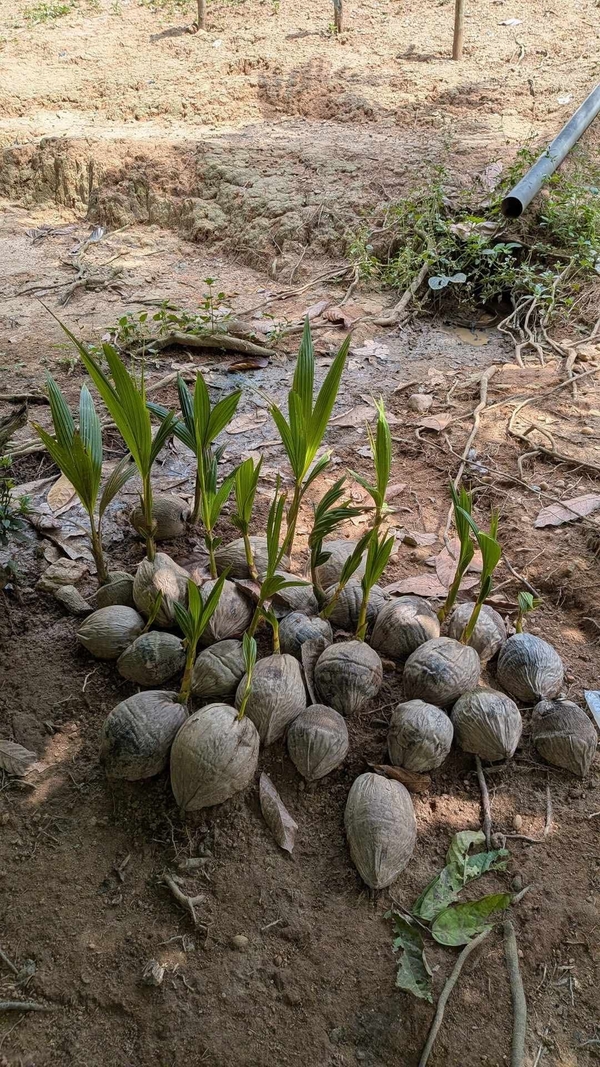
We spent Sunday meeting our interpreter and walking around the city a bit. We drank our first coconut (which definitely wouldn’t be the last), and talked with people we met along the way.
By chance we got talking to a farmer who had cocoa trees and who was more than happy to tell us about both cocoa and palm oil. In addition to answering all our questions, we were given a fresh coconut and cocoa pods to taste.

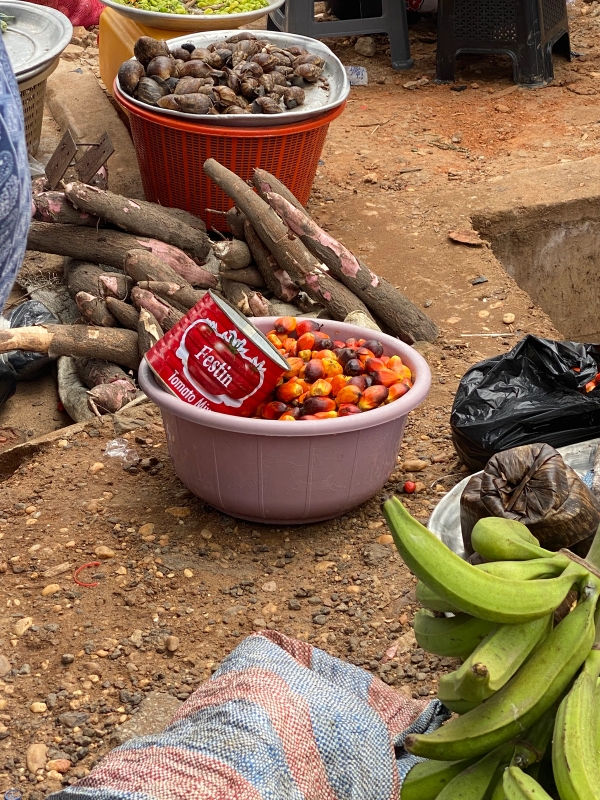
The first week has been spent visiting the market, learning how the system works from the farmer to the market, and gaining a better understanding of the production itself.
We have visited farms and seen how things are done in practice, and we have even visited a mill that farmers use to produce palm oil.
Much of the time has been spent on interviews, but also on informal conversations and observations.

It is probably from these conversations and observations that we have learned the most about how things actually work in practice. They are what help us to be able to decide specifically what we want to focus on.
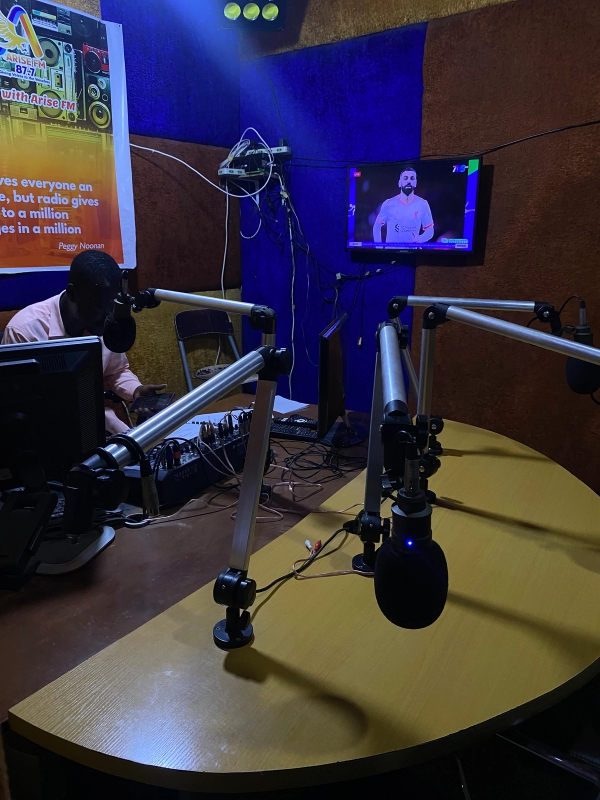
In the village we also have a contact person who LOVES showing us around! On Wednesday we suddenly ended up at the radio station to be interviewed. Little did we know then that between 30,000 and 60,000 people listen to that radio channel.

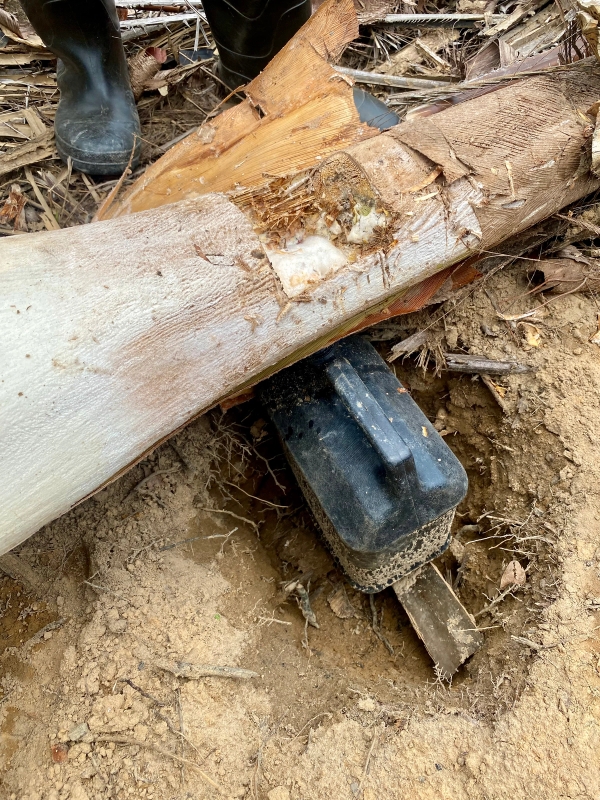
At one of the farms he took us to, we even got to taste fresh palm wine straight from the palm! Next week we’re going to visit a mining area, and we’ve been able to visit places we would never have found on our own.
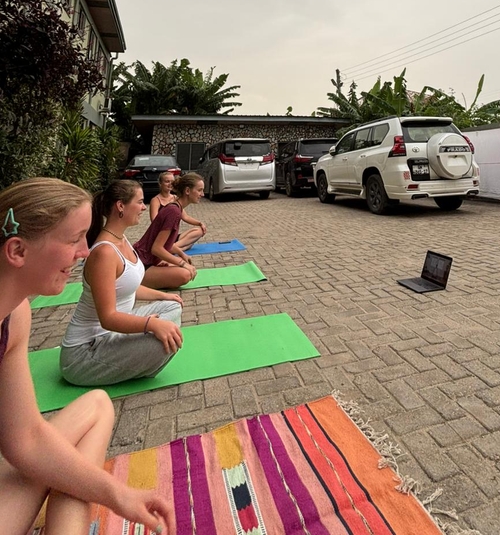
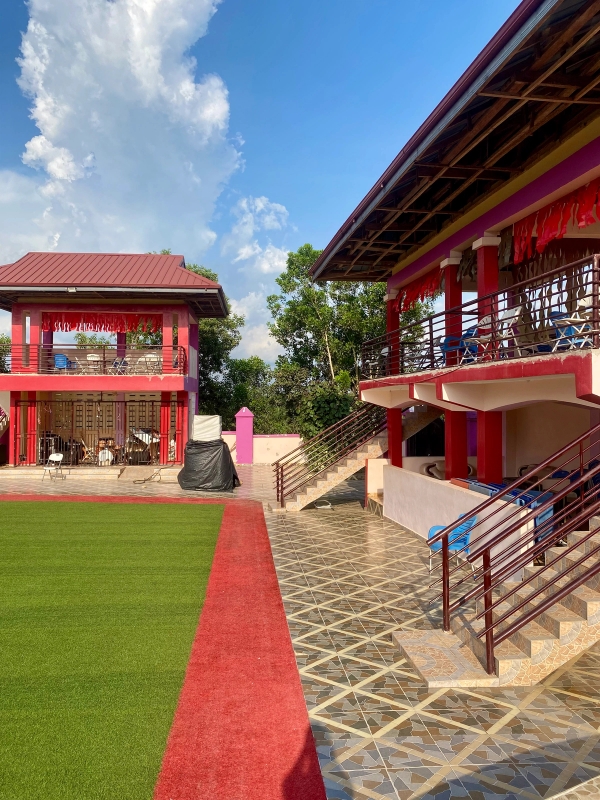
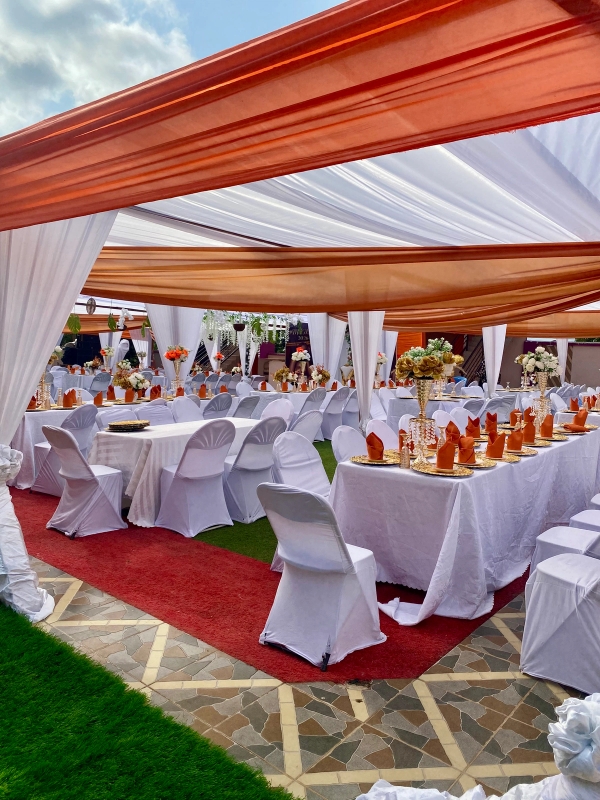
The weekend has been used to catch our breath a bit, but also to attend a wedding. All of Saturday there was a celebration on the hotel grounds.
It’s been really cool to experience it, but I’ve also never appreciated silence as much as I have after this weekend! I’ve now realized that Ghanaians have a COMPLETELY different relationship to sound than we do in Norway.

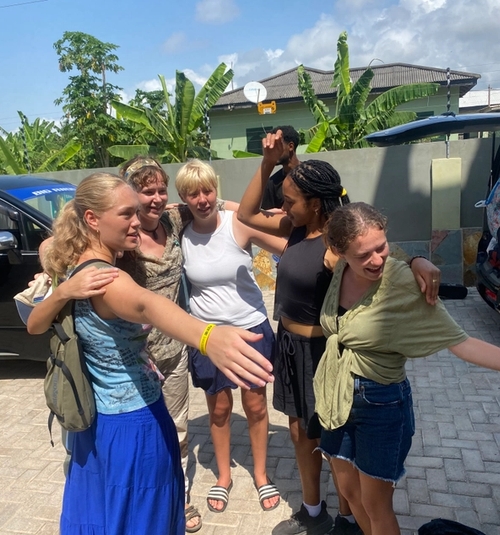
What I’m left with after this first week is how open and inclusive everyone is. Before we went into the field, we were afraid we wouldn’t get in touch with enough people to interview and that it would be difficult to have good conversations.
It turned out not to be a problem at all. Everywhere we’ve been, we’ve been welcomed with open arms, people have been curious and very willing to share their knowledge.

We thought we would have many short interviews, but so far we’ve had many long interviews and conversations.
So far, the plan for the next few weeks is to work more purposefully with interviews. Now that we have a better understanding of what we can actually find out, and what makes sense to focus on.
Tips for you who are going into the field:
- Be flexible- the plan is most likely going to change.
- Talk to people– one of the things we’ve learned the most from is spontaneous conversations
- Don’t be afraid to ask – people are often more open and helpful than you think!