A Day in My Life in Buenos Aires—and How Much It Costs
I've now been in Buenos Aires for almost five weeks, and I'm starting to settle into a routine. Still, it feels like I've only scratched the surface of everything this enormous city has to offer!
This text is translated using AI.
View the original article here.One of the things that makes it especially easy to explore Buenos Aires while I’m here is that we have Fridays off from school. That gives us a whole day to spend however we like—whether that means discovering new neighborhoods, working out, enjoying good food, or simply taking the city as it comes.
Today, I'm going to take you along for a typical Friday in my life here—and at the same time show you how much a day like this actually costs.

Morning on the terrace
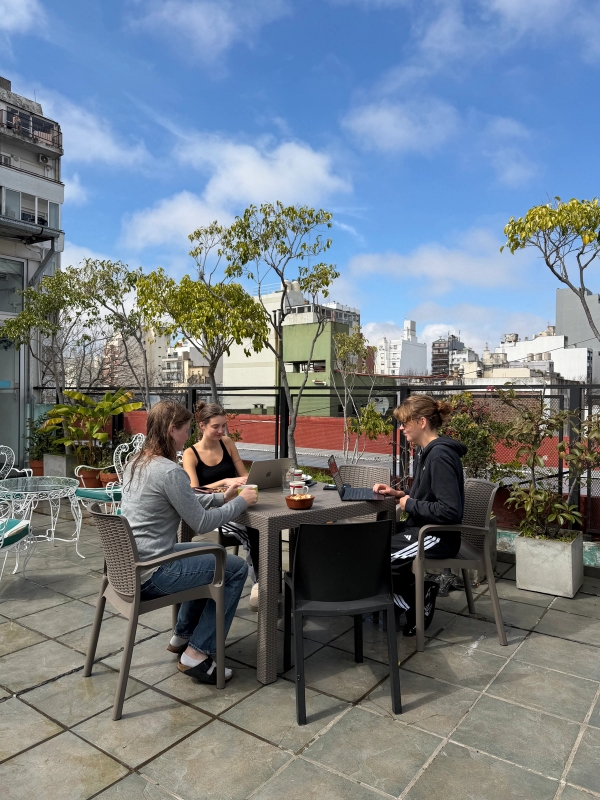
One of my daily highlights here is spending the morning on the rooftop terrace of the house where we’re staying. A few of us tend to wake up a little earlier than the others and enjoy the peace and quiet out here before the city fully comes to life.
Personally, I usually have yogurt with granola and fruit from the local greengrocer, with a coffee on the side.
This breakfast costs no more than around 40 kroner. The fruit I eat varies—there are plenty of delicious options to choose from here, often at a fraction of what they cost in Norway!
That may be one of the things I appreciate most about everyday life here: it doesn't take much to make an ordinary morning feel a little more special.

Metro
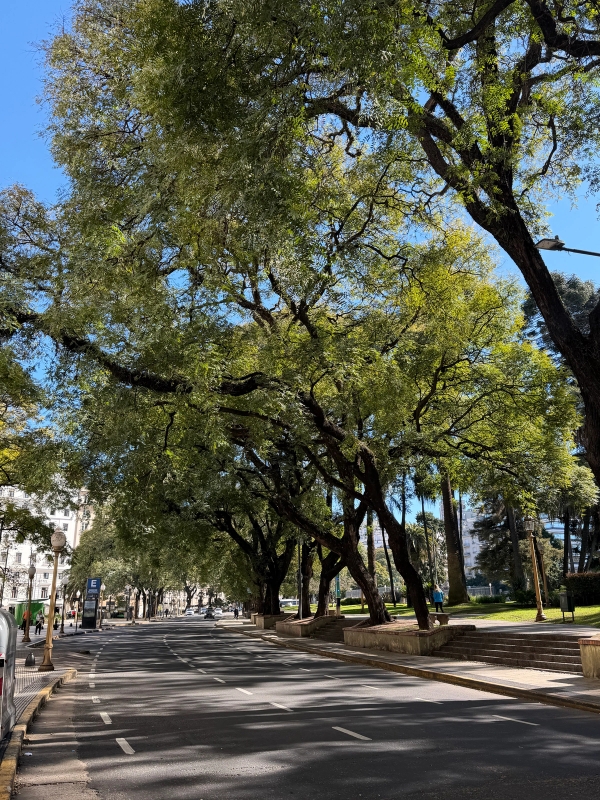
We’re staying some distance from the city center, but that’s not a problem since we’re only four minutes from the nearest metro station. You can pay for single journeys with either a bank card or a SUBE card, making it easy to get around the city.
A one-way trip costs around 23 kroner, so a round trip comes to 46 kroner.
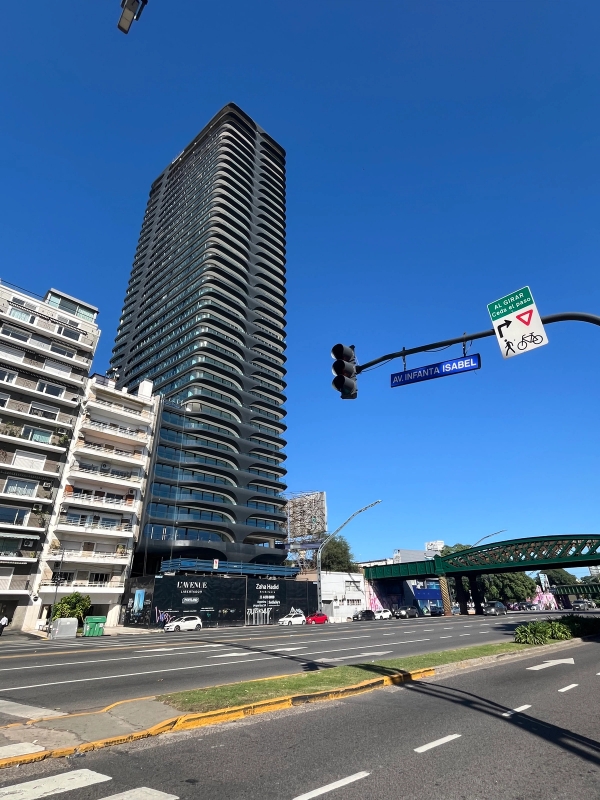
Buenos Aires is a huge city, and it is almost impossible to grasp its size until you start getting around it. That is why public transportation has become an important part of my daily life here.
In a short time, you can get from one area to a completely different one—and at the same time get a glimpse of just how much the city can vary from street to street.

Run in Reserva Ecologica
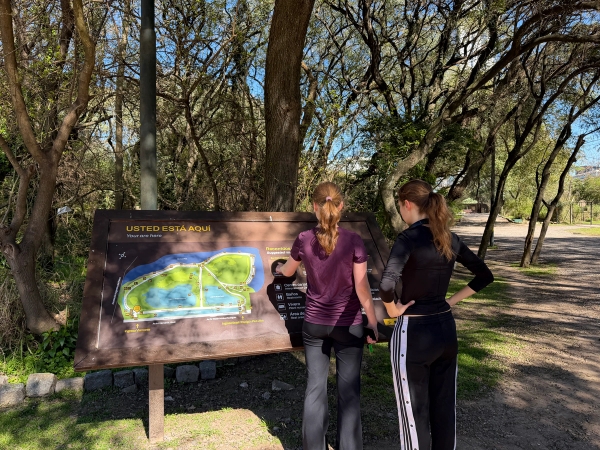
Today, two friends and I took the metro to one of the downtown stops. From there, it was only a five-minute walk to the entrance of the park Reserva Ecológica Costanera Sur. A refreshing break from the big city!
There are many trails to choose from in this park, depending on how far you want to go. I’m always surprised by how little traffic noise I hear when I’m inside the park.
It’s quite remarkable to be able to take the subway through a bustling city, get off, and suddenly find yourself surrounded by nature. For me, this has become one of my favorite places in Buenos Aires—and best of all, it’s completely free to visit.

Local lunch
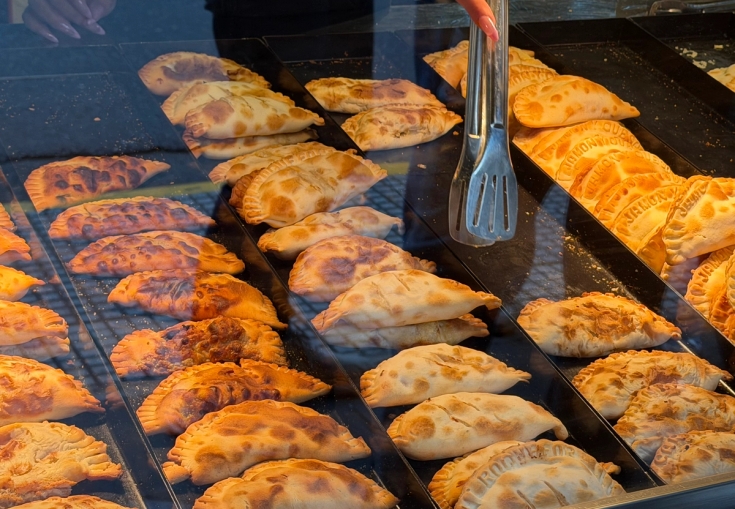
After a run and some fresh air, the journey continues to an empanada shop. You can find them on just about every street corner. They also offer many different kinds of fillings—both vegetarian and meat.
I bought myself three empanadas for lunch for just under 23 kroner.
It's hard not to fall in love with empanadas when you live in Argentina. They're cheap, easy to take with you, and work just as well for a quick lunch as they do when you need something to eat on the go.

Argentinian ice cream
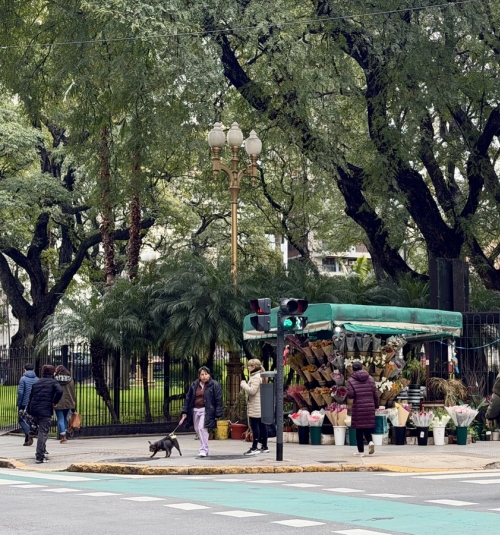
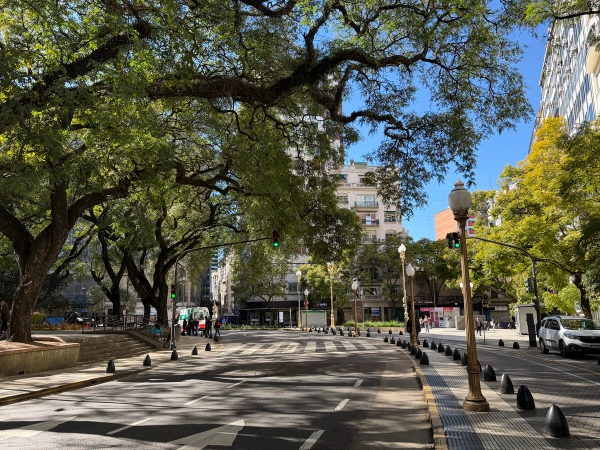
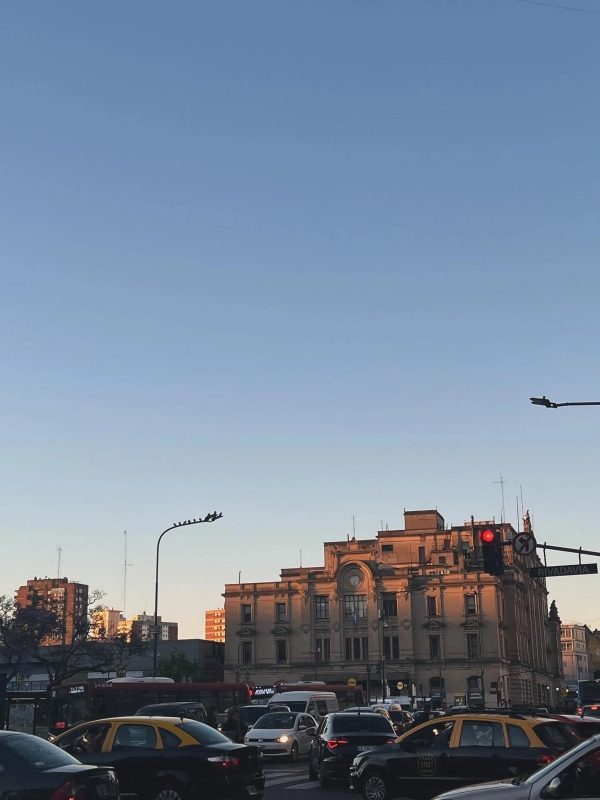
Spring and sunshine have arrived in the city. So today we decided to explore the city on foot, making it easy to combine sightseeing with dessert in the lovely weather.
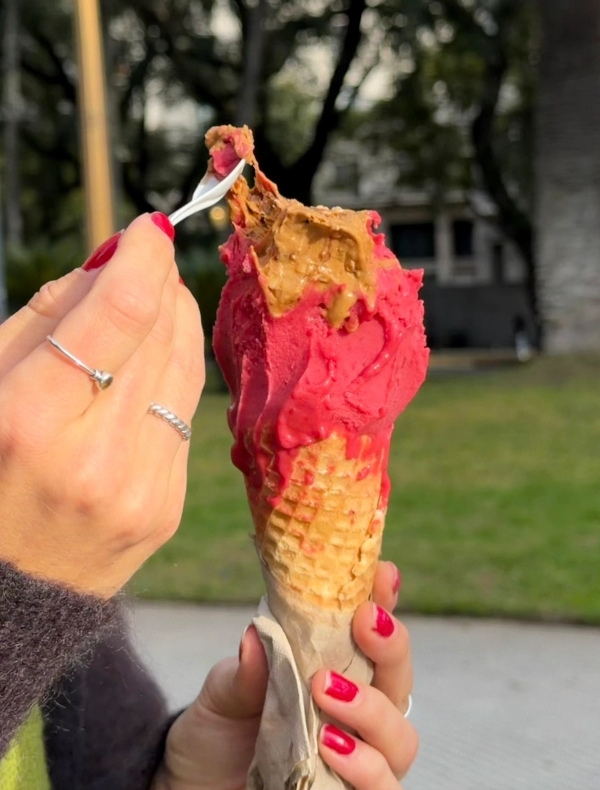
Ice cream—or helado, as it's called here—is also a big part of Argentine food culture. Rapa Nui was recommended to me by my history teacher, and I'm so glad we went! I can definitely recommend the dulce de leche ice cream.
50 kroner for a large ice cream on Rapa Nui—and mind you, it was huuuuuge!

Communal dinner
After a long day out in the city, it was time to get the group back together. We had burgers for dinner with good friends, sitting around the table and chatting about all sorts of things.
One of the things I like most about living with other students is precisely these ordinary evenings. Even though we all have our own plans and experiences during the day, we often end up gathered around the same table in the evening.
This dinner cost around 40 kroner per person.


So, how much did this day cost?
This Friday cost me around 199 kroner in total—including breakfast, transportation, lunch, ice cream, and dinner. I actually think that's pretty incredible, considering how much I got out of the day.
Of course, expenses vary from day to day, and it is entirely possible to spend much more if you eat at restaurants, go shopping, or take part in activities that cost money.
But this day is a great example of how you can have an eventful student life in Buenos Aires without it costing an arm and a leg!