Costa Rica behind the facade
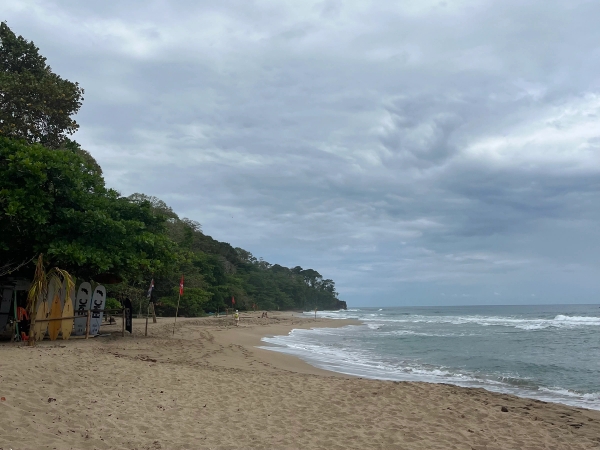
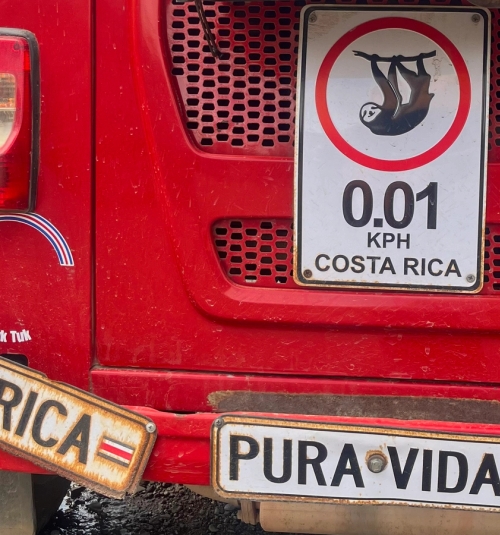
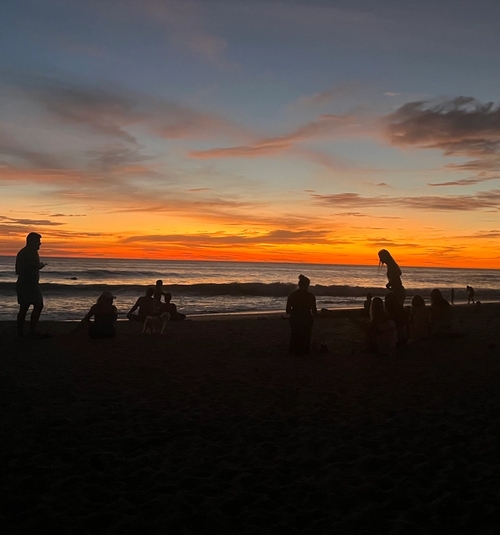
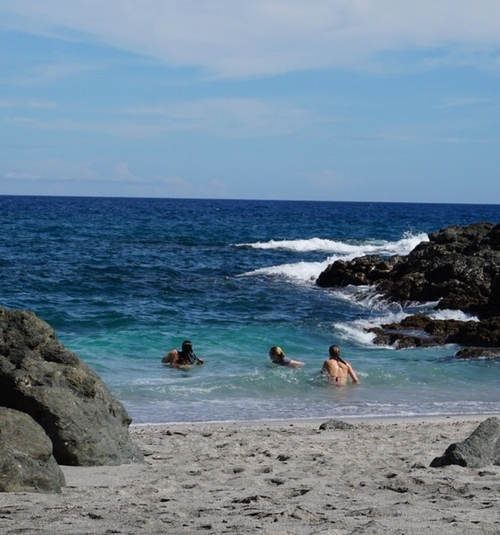
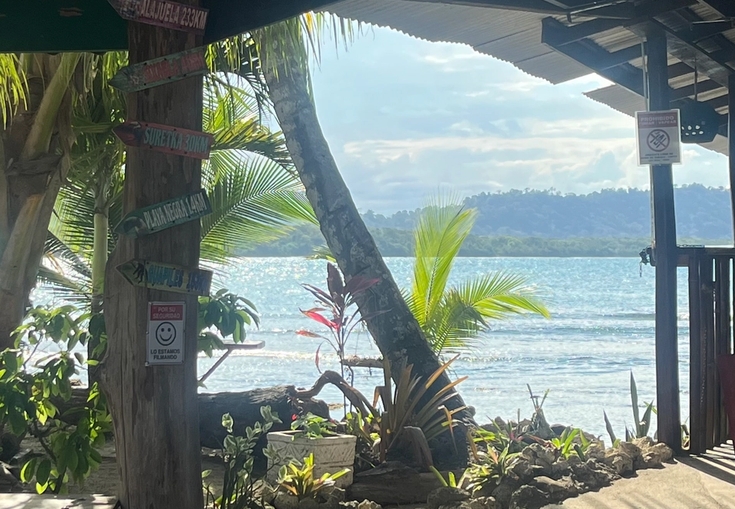
Some of the things I love most about Costa Rica are the lush rainforests, the tropical beaches, the majestic waterfalls, and the teeming wildlife.
The country is incredibly diverse, and the experience of it changes drastically from place to place – which makes it a dream destination for many backpackers and tourists, myself included.
But what happens when very many people share the same dream?
What consequences does this have for the country – and for the people who live here? This is one of the things we learn a lot about through Cultural Studies, and I am incredibly grateful for that!

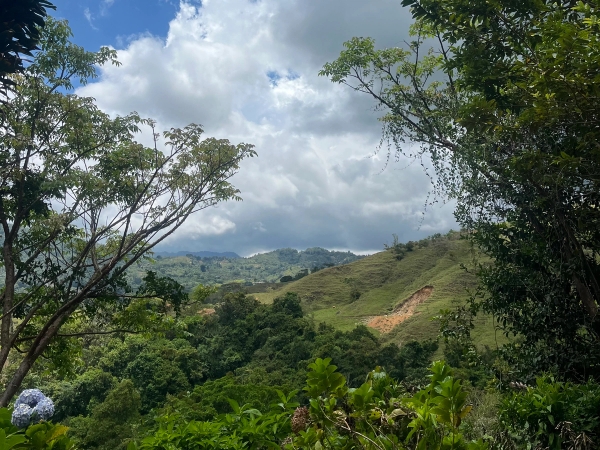
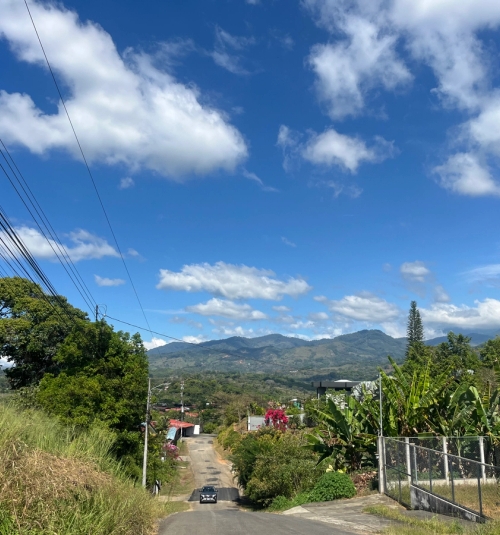
When I started traveling around Costa Rica, I quickly noticed how big the difference is between life in our student town, San Isidro, and the major tourist destinations.
A clear consequence of mass tourism is that foreign companies own a large share of the restaurants and hostels in several of the most popular areas.
Thus, it’s not necessarily the locals who end up with the profits, the way I imagined before I came here. The cost of housing and living is also rising in the cities with the most tourism.

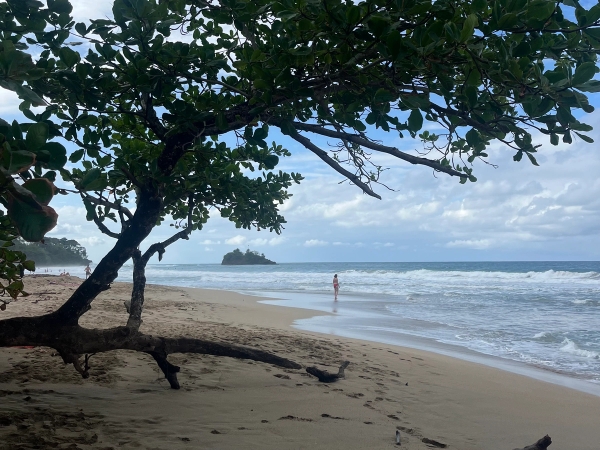
This leads to many local residents being pushed out of their homes and having to move to cheaper areas, often with fewer job opportunities and poorer facilities. When we learned about this, we all became more aware of how we could help reduce the problem.
One of the biggest advantages of studying through Kulturstudier is that you get a more authentic experience of the country and an insight into what it’s like to be Costa Rican.
In the program, learning about local challenges is an important part of the curriculum, both in Spanish classes and in the electives on politics and sustainability. In addition, we live with a host family for five weeks, which gives us the opportunity to take part in the everyday life of a typical Costa Rican family!

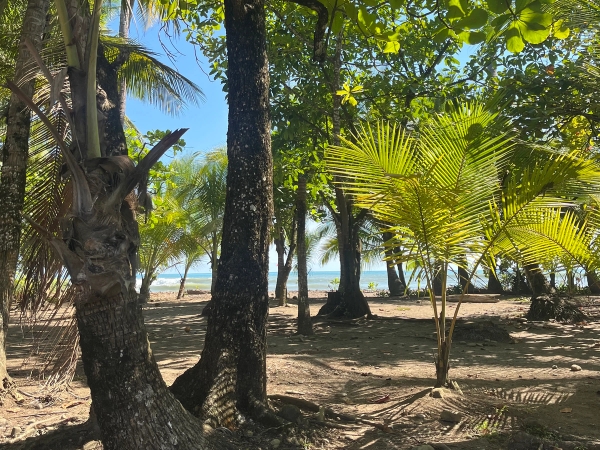
There’s something special about suddenly finding yourself in the middle of the dance floor, dancing salsa with your whole extended family at a birthday party. You don’t get experiences like that when you travel as an ordinary tourist.
Part of the money you pay to Kulturstudier goes to these wonderful families, which helps support the local economy! In addition to these weeks, we also spent a week with host families in Longo Mai – a community that largely lives off agriculture. There we got to experience what everyday life as a farmer looks like and what challenges they face.

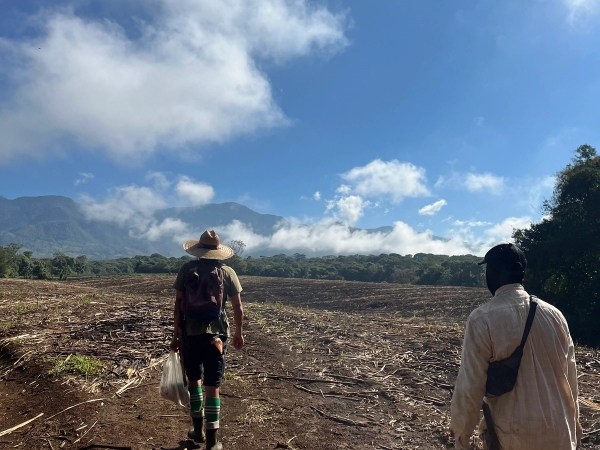
Another important way to travel more responsibly is to support local businesses. In San Isidro there are many bars and restaurants owned by Costa Ricans, so this is no challenge here!
In addition, local food is often cheaper than imported food. Casado, a dish that most locals eat every day, quickly became one of my favorite meals!
We who study here also buy many of our fruits and vegetables at “la feria del agricultor” – the farmers’ market in Norwegian. Here you can support the farmers directly while enjoying fantastic (and cheap) fruit.

In my view, the greatest benefit of studying Spanish through Kulturstudier is the understanding you gain of local challenges.
The study is about much more than just language – it offers new perspectives and a deeper understanding of the world around us.
By learning about this, we can enjoy Costa Rica in a way that also allows future generations, and especially the locals, to have the same opportunity for many years to come.