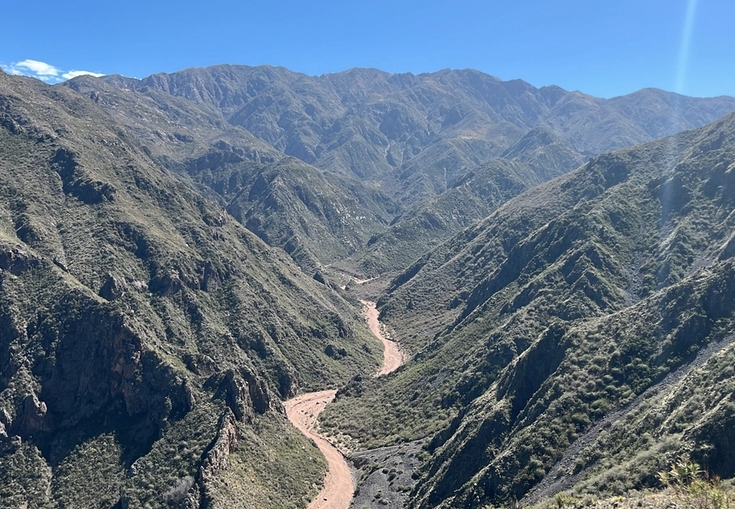
Lots of studying—but also traveling
Before leaving home, it’s easy to forget that you’re actually going abroad to study. And once you get caught up in your studies, it’s easy to forget that you’re actually traveling. How can you balance studying with a desire to explore?
This text is translated using AI.
View the original article here.Power, Politics and Religion is quite an intensive course. This year, we have around 400(!) pages to read every week.
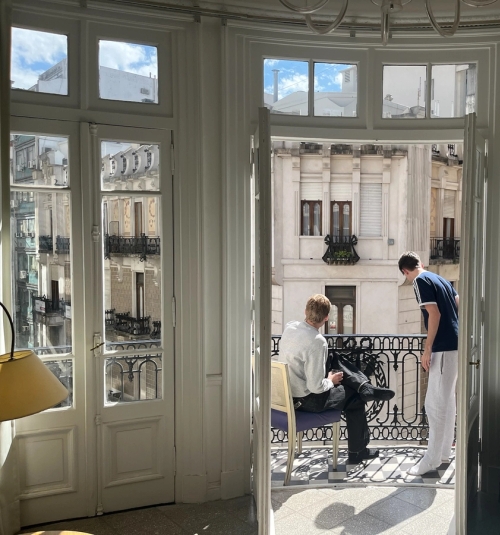
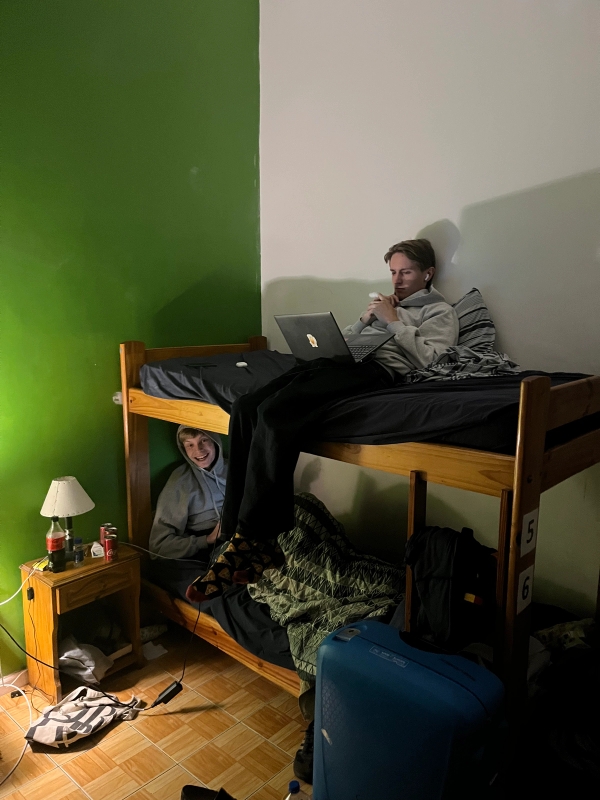
The reading material is written in what I feel is fairly complex English, so quite a bit of time also goes into learning new terminology and interpreting the text. Hostel Estoril, where we are staying, is also quite cramped, so it can be difficult to find somewhere to sit alone and focus.
When you share a kitchen, living room, and other common areas with 40 students, it is not as easy to find peace and quiet as you may be used to at home.

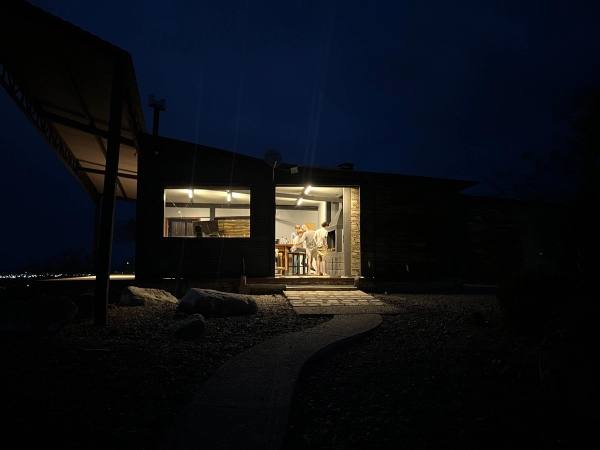
But what about the big travel plans, then? When I looked forward to the trip and talked about it with friends and acquaintances, I rarely talked about the curriculum.
Instead, I talked about the places I was going to see, the people I was going to meet, and the culture I was going to get to know. After all, that is a big part of why people choose to travel to the other side of the world. You don't want to spend four months in Argentina just sitting indoors and studying.
Fortunately, this way of thinking helps shape how the program is structured.

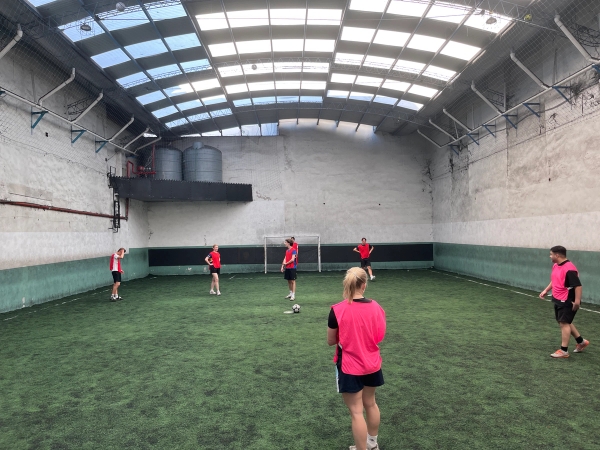
School days usually consist of around two hours of classes, and there are often excursions where we get to experience aspects of Argentine history and culture up close.
It also means that the teaching is not just about reading about things, but actually experiencing some of what we are learning about. The local staff also help organize various activities, such as playing football with Argentinians.
In addition, we have no classes on Fridays, so it is entirely possible to plan weekend trips. This weekend, we traveled to the Mendoza wine region, a peaceful break from lively Buenos Aires.

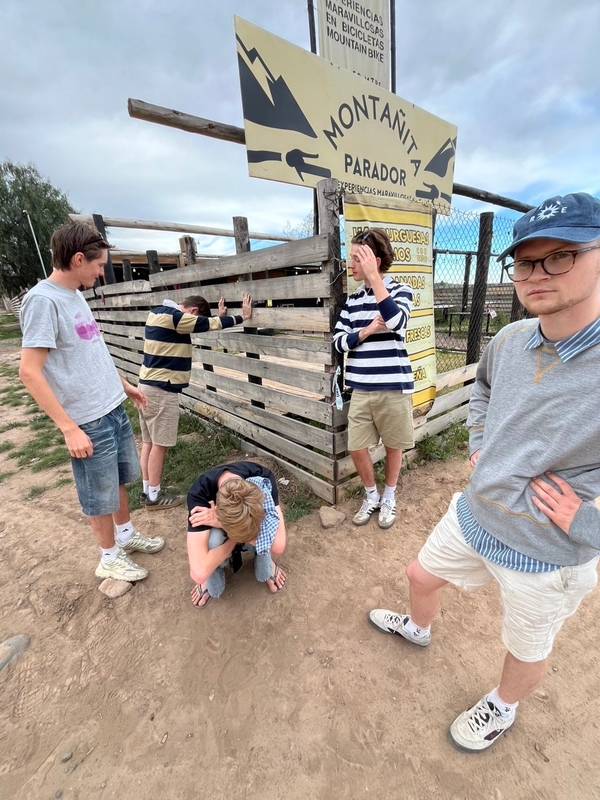
That in a single day we could go from reading about human rights and dictatorship to cycling from vineyard to vineyard—and realizing just how much there is to experience... Next week, our class has organized a weekend trip to Montevideo, Uruguay, which is only a boat ride away.
And: The course is actually very interesting. Gaining insight into South American politics gives you a different perspective on what is happening around you.
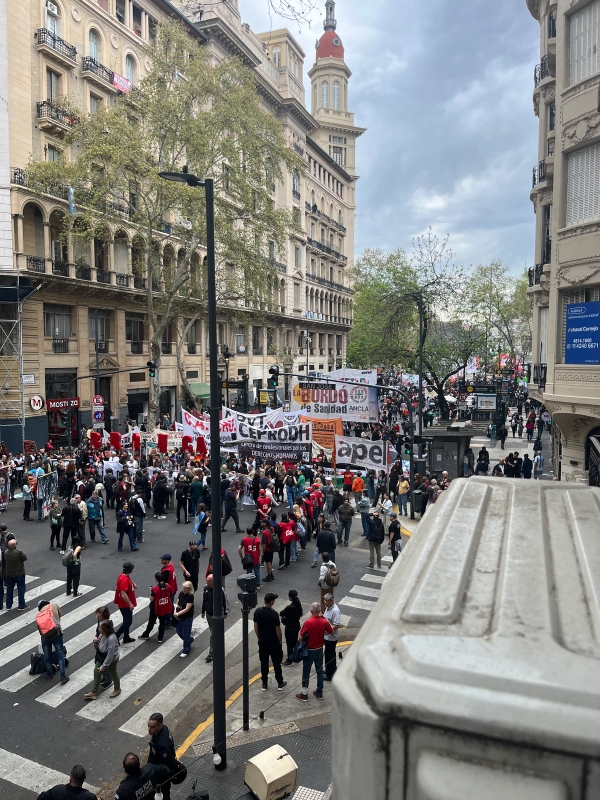
Things you might otherwise have simply walked past or regarded as part of everyday life suddenly take on greater significance. Argentinians have a long tradition of demonstrations, and every week they gather to march between Congress and La Casa Rosada, which is just down the street from us.

And the claim that there are 400(!) pages to read each week may also be a little misleading. We have organized study groups where we divide up each week's reading among ourselves, so in practice it works out to around 70 pages a week.
In these groups, we will also work together to write a joint group assignment that accounts for around 40% of the course. This means that you do not necessarily have to sit alone and struggle through the entire syllabus.
At the same time, you get to know the others in a completely different way when you have to work together on something that actually makes up a large part of your grade!

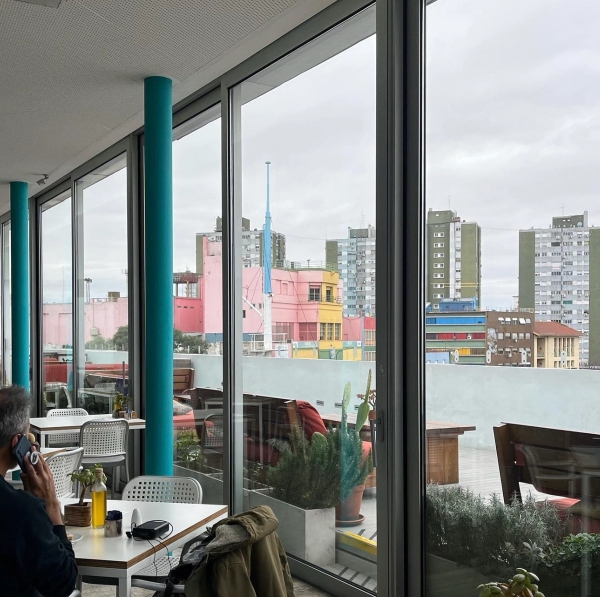
The longer you stay down here, the more natural everyday life feels. At first, it also feels like you have to learn English all over again through dense textbooks, but gradually it becomes part of daily life.
Reading and learning don't take up any more time than one would like, while at the same time it feels as though you get more out of them because you can connect what you learn to what you actually experience around you.

These are some of the things that make the semester so unique. You don't just get a break from everyday life back home, but an opportunity to actually live somewhere else while studying.
Of course, you need to set aside time for schoolwork. But that doesn't mean you have to choose between being a student and traveling. With a little planning, you can do both!
If you are interested in history or politics, or simply want to experience a different part of the world, then this program is highly recommended!