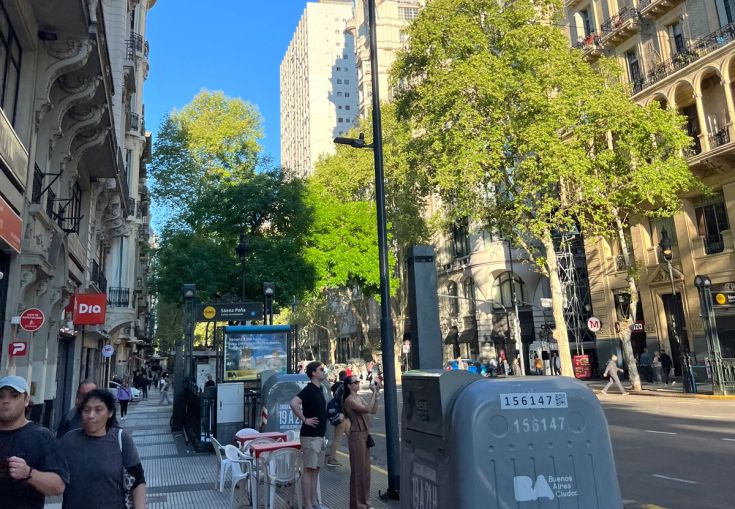
Saving money in Buenos Aires
It was in those days when I wandered about starving in Buenos Aires, that wondrous city which no one leaves before it has left its mark on them.
This text is translated using AI.
View the original article here.Living away from home isn't quite that dramatic, but there's some truth to the idea that being on your own for the first time can be quite demanding.
There's something about having to take responsibility for everything yourself. No dinner made for me, no bread to toast when I wake up, and no chocolate in the cupboard for me to help myself to, either.
A new bottle of shampoo, a new pair of socks, or an extra pizza in the freezer: these are the little things that are easy to forget. When everything comes at a cost, your wallet gets lighter too.

Here are some tips for retaining some of the weight:
Do everything together
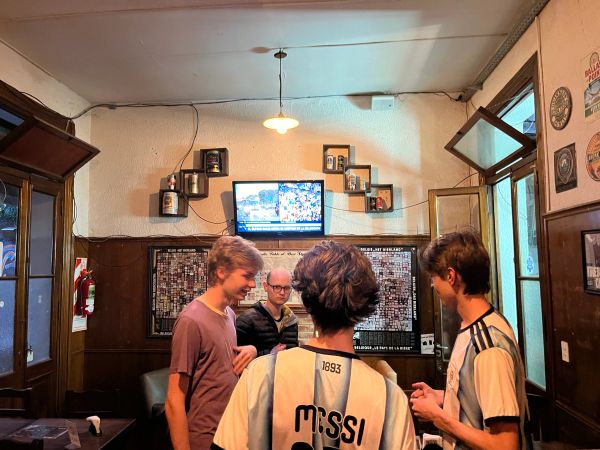
Everything is cheaper when you split the cost. If you want to cook yourself a proper dinner, you’ll often spend 100–200 kroner, but that can easily cover dinner for 4–5 people.
When we don’t organize a shared dinner, buying groceries that won’t get used often feels a bit pricey, while the cheapest alternatives are fast food, which costs around 10,000 pesos, or 60 Norwegian kroner.
Although it can be a good alternative at times, it gets repetitive very quickly—and it’s bad for you, too. Taking an Uber to and from most places is already cheap in Argentina, but it becomes even cheaper if you can split the fare four ways.
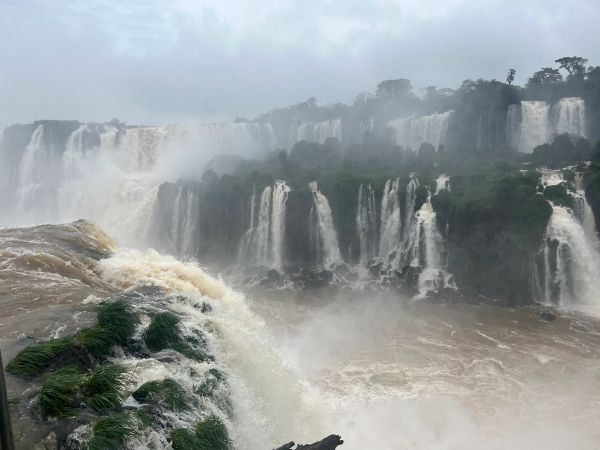
Similarly, many places also offer discounts if you're traveling in a group. We got a discount on a bus trip to Iguazu Falls because there were six of us.

Use a credit card
Using a credit card is convenient for several very good reasons, especially when traveling or living in Argentina.
First and foremost, it is a useful tool for keeping your finances in order and getting a clear picture of where your money actually goes. All your purchases are combined into a single bill, and you can easily review the transactions afterward to see what you spend the most money on and where you might be able to cut back.
It also makes it easier to set a budget and stop small expenses from gradually eating into the money set aside for a weekend trip or two.
Another, and perhaps even more important, advantage is security. If someone steals your card or skims it—that is, copies the card details for fraudulent use—it isn't necessarily your own money that's at risk.
With a debit card, a fraudster could, in the worst case, gain direct access to the money in your bank account, whereas a credit card provides an extra layer of protection because you are using credit rather than money you already have in your account. Of course, you still need to block the card as soon as possible and report the fraud.

Try Mate!
I really enjoy a morning coffee to start the day. Unfortunately, I prefer my coffee made at a proper café, especially here. In my opinion, the filter coffee in Argentina isn't as good as it is in Norway (ironically enough).
All that coffee can turn into an expensive habit, even with coffee prices lower than back home. Still, it's one thing you simply can't miss out on in Buenos Aires.
Mate and the mate cups everyone carries around, no matter the time or place.
Mate, also known as yerba mate, is also rich in caffeine, so it gives you the same morning boost as coffee, but it's cheaper—and a great way to experience a little of the culture of Argentina and other South American countries!

Some personal recommendations
Money comes and goes, and you’ll definitely spend quite a bit traveling like this. That’s the first thing you have to accept when you’re heading to the other side of the world.
But to save some money, you need to find routines that work. Cook at home, get to know your transport options, book trips early—a lot of the usual boring tips. They work!
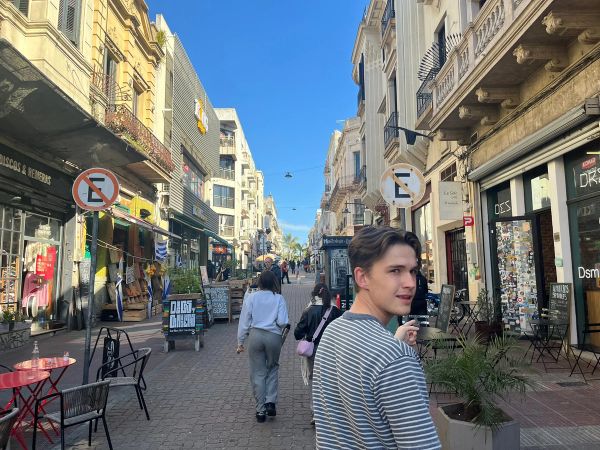
But perhaps my best tip of all: Buy empanadas at Brozziano. 3 empanadas of your choice and a soda for 35 kroner! Not the healthiest option, but the cheapest? Possibly.