Nepalese people – an extroverted people who are easy to like
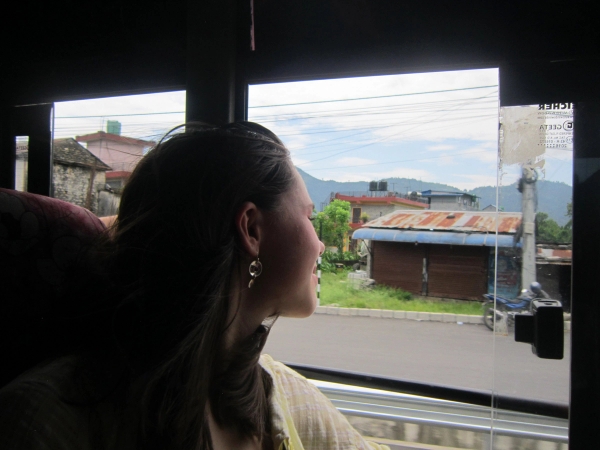
After spending only two weeks in Nepal, two things in particular have made a strong impression on me—the openness of the local people and the insight I have gained into my own privilege.
This text is translated using AI.
View the original article here.The first thing that has really struck me is that I've made friends on every street corner in my new neighborhood without really trying that hard.
As long as I'm not walking with my head bent over my phone, I'm greeted with a smile, a nod, or a hello—“Namaste”—from the people I pass. The openness and warmth of the Nepalese people is one of the loveliest things I've ever experienced.

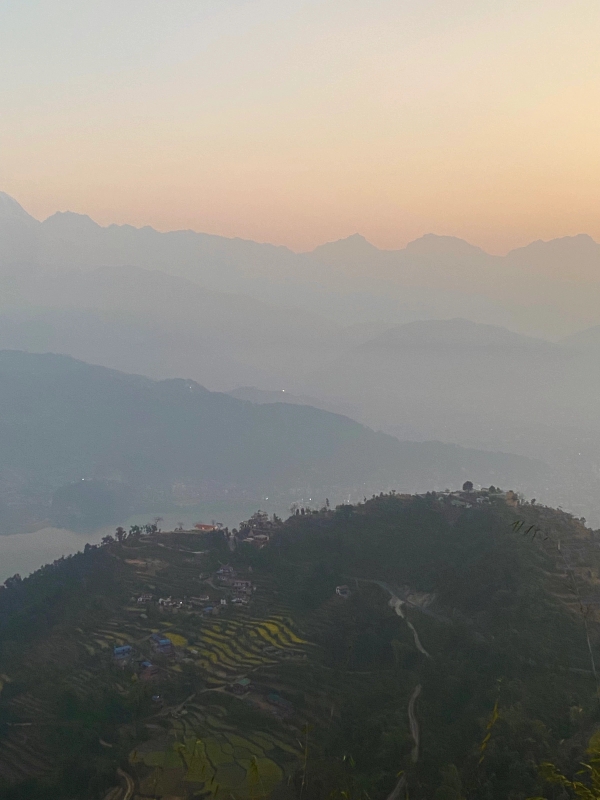
Nepal's 30 million inhabitants are spread across just 143,000 square kilometers, about one-fifth of which is uninhabitable.
By comparison, Norway has a population of 5.6 million spread across 384,000 square kilometers. Perhaps that is why Nepalese people seem so open and sociable: many different ethnic groups from different social classes live close together amid untamed nature.
The sense of solidarity among Nepal’s many diverse inhabitants seems strong, and people help one another with matters both large and small.

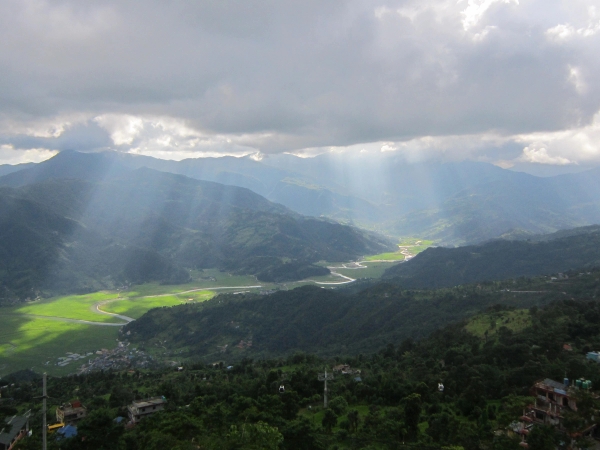
Popping into the local grocery store for a quick shop without speaking to a single other person, as we often do in Norway, is impossible here—and not just because they don't have the technology to install self-checkout machines in stores.
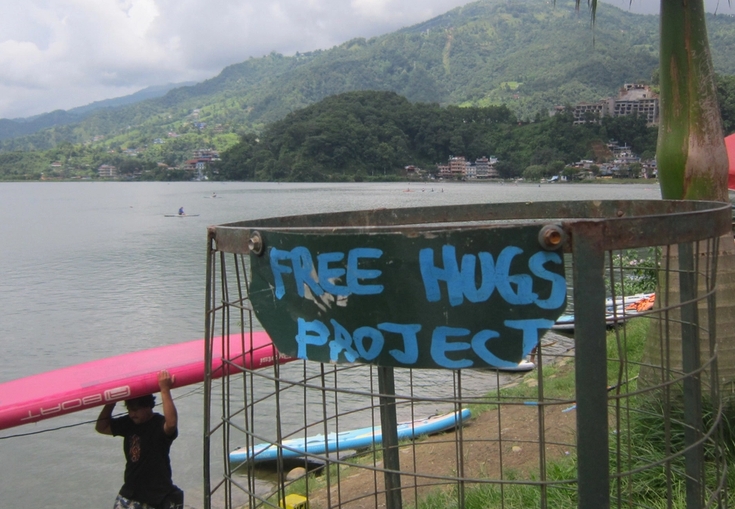
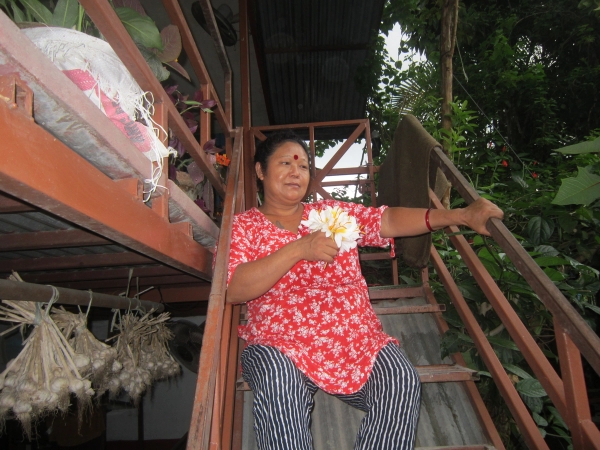
On my first day in Pokhara, I took a walk along Phewa Lake, which is bordered by the area where we are staying, Lakeside. At the end of the promenade, I met a Nepalese woman holding a bouquet of flowers.
Being the tourist that I am, I asked if I could take a picture of her. We talked for about two minutes before it started pouring.
I quickly became soaked, and the woman, Sumitra Rana, pulled me under the roof of the restaurant she and her husband run, then brought out a bench and covered it with cushions and blankets for me.
Then she tucked some of the flowers from her bouquet into my hair. We chatted about everything and nothing until Sumitra showed me videos of AI-generated monkeys on TikTok, laughing as she did. I can definitely feel at home here.

But it is not only Norwegian girls like me who are well looked after in Nepal. I arrived in the country just one week after the catastrophic floods in the Rasuwa district north of Kathmandu killed more than a thousand people and left over five thousand people in the area still missing.
The flood affected both locals and tourists and caused extensive property damage. Entire villages were destroyed by the floodwaters. Shortly after the tragedy, Nepalese aid workers from all parts of the country arrived to help, while Nepalese people working abroad sent large sums of money for repairs.
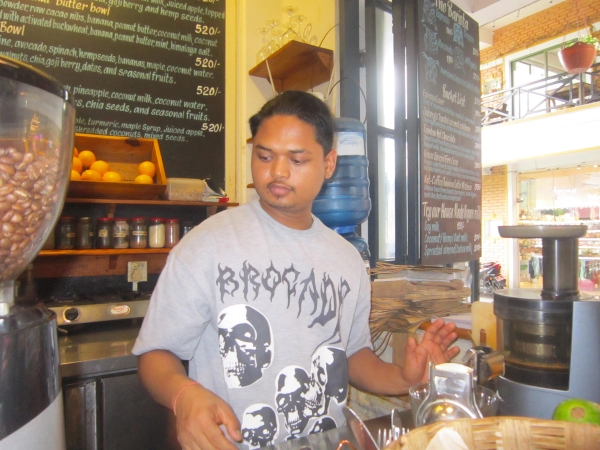
When I asked Rooney, the barista at one of my new neighborhood cafés in Pokhara, whether his family had been affected, he replied solemnly, “In Nepal, we are all family.” A comment I think I will remember for a long time.

The other thing I have particularly noticed after only a short time here is that our privileges as Norwegians become exceptionally apparent in a country as underdeveloped as Nepal.
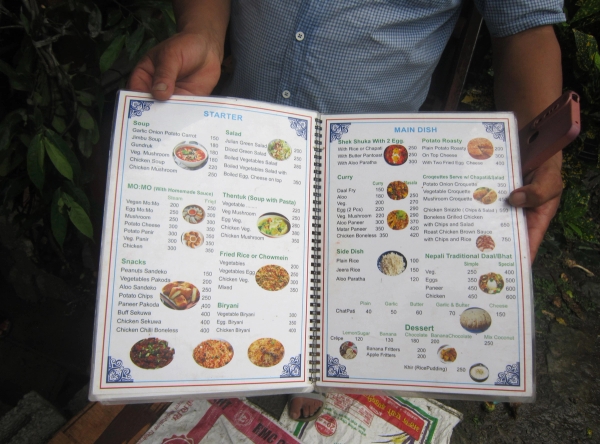
Previously, I had only traveled in Europe and Australia, so it was a pleasant surprise to check my bank account after the first few days at my new place of study. Everything is incredibly cheap compared to Norway.
A really good steak dinner costs around 1,000 rupees, or 61 Norwegian kroner. At every restaurant and shop, waiters, cooks, artisans, and salespeople stand ready to bow their heads and say “Namaste” the moment you show interest in the place.
You feel special and deeply appreciated wherever you go, and you automatically want to say thank you—“Dhanyavad”—all the time to reciprocate the hospitality and profound respect you are shown.

A large share of Nepalese people's income comes from tourism, as is the case in much of Asia.
Nepal desperately needs tourists to keep visiting to experience the Himalayan mountains, learn yoga, or eat Nepalese food. That is why it feels wrong to pay only 20 kroner for a dinner or 200 kroner for a beautiful sterling silver ring.
Because how much does it really help Nepal? The answer is that those kroner actually go a very long way here, especially now that several thousand people have been affected by the flooding.