The biggest cultural differences between Norway and Ghana
"Foreigner! Foreigner!"
It didn’t take long after I landed in Ghana before I heard this for the first time.
This text is translated using AI.
View the original article here.I turned around, a bit confused, but on the other side of the street some children were standing there, waving eagerly. They were smiling and mostly curious about who we were.
Already at this point I realized that this semester was going to stand out. Even though I had some expectations beforehand, there was a lot I wasn’t prepared for.
It wasn’t the tourist attractions or the lectures that surprised me the most, but the small cultural differences and the encounters with people.
Here are some of the things I remember best from my stay in Ghana.

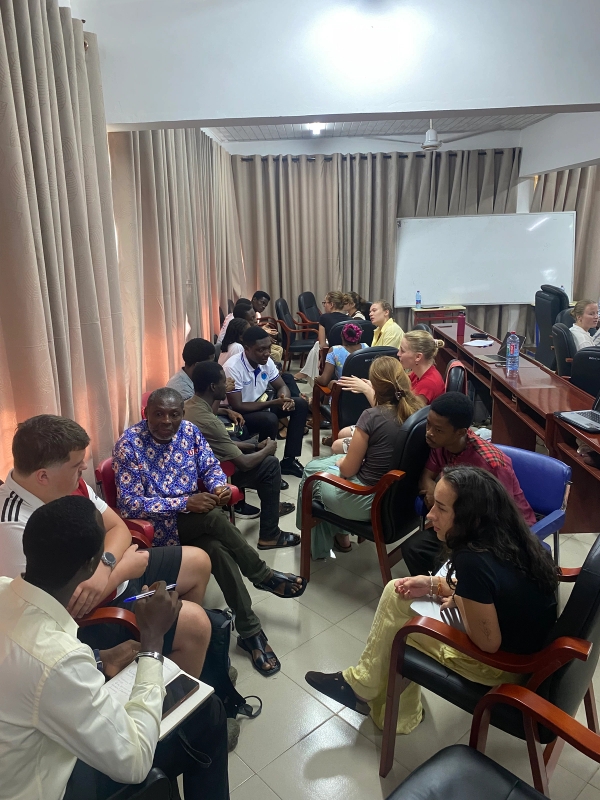
People who have time for you
Before I landed in Ghana, I wasn’t sure how easy or difficult it would be to get to know the local people. This question was answered already in the taxi on the way from the airport to Cape Coast.
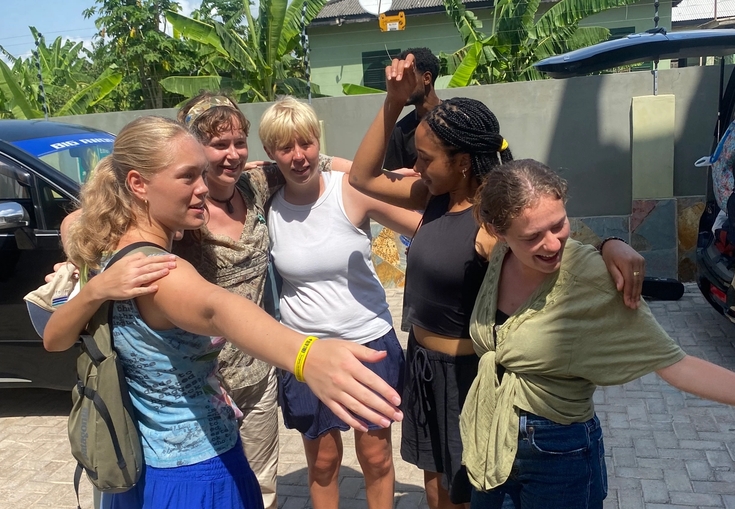
In Ghana, it’s completely normal to strike up a conversation with a random person on the street or in a shop. People greet you, ask questions, and are genuinely curious.
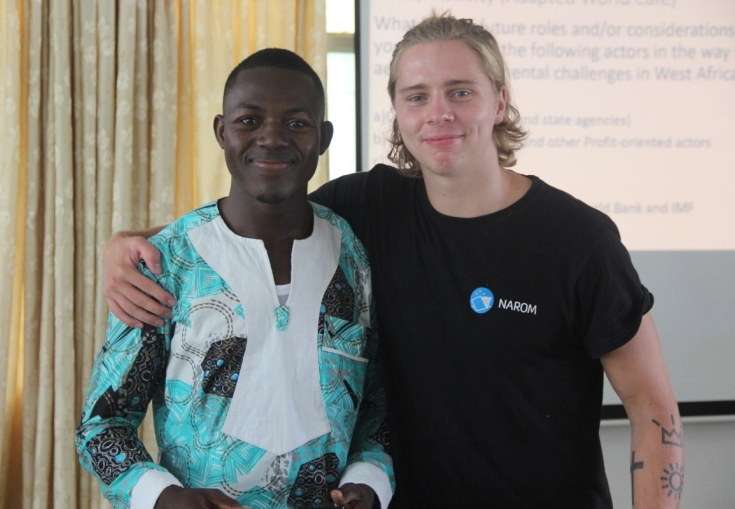
I have rarely experienced a place where it has been so easy to connect with people and experience the culture up close.
This is perhaps connected to the biggest adjustment: the pace.

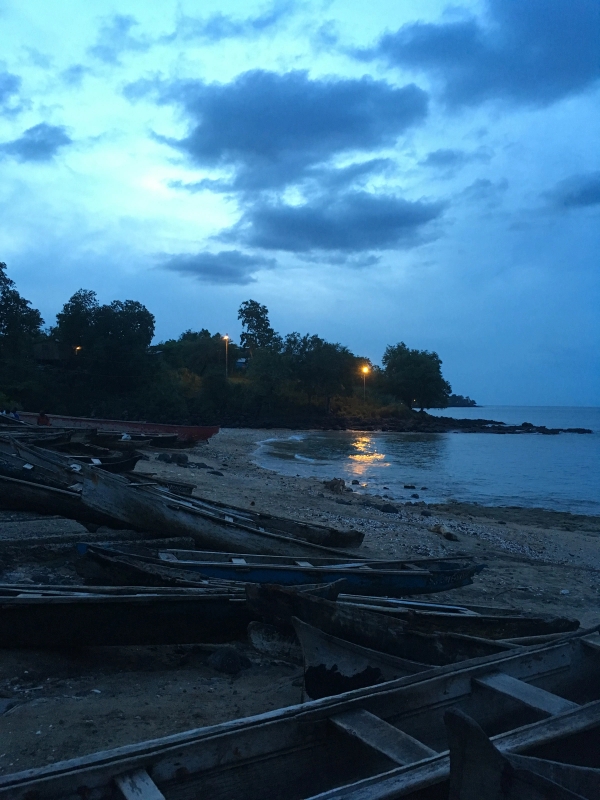
In Norway I’m used to planning, setting deadlines, and having things run efficiently. In Ghana, people had time, and things took time.
It was nice to see that everyone had time to talk, time to sit down, and time to be together. No one seemed to be in a hurry, and it made me reflect on how much of my everyday life at home is controlled by the clock.
On the other hand, everything took much longer. If you ordered food somewhere, you had to expect that it wouldn’t arrive when you thought it would. If you had arranged to meet someone, they generally wouldn’t show up at the agreed time.
And even though it’s nice that people aren’t rushing around, I think that when it comes to planned things, I prefer to stick to the clock!

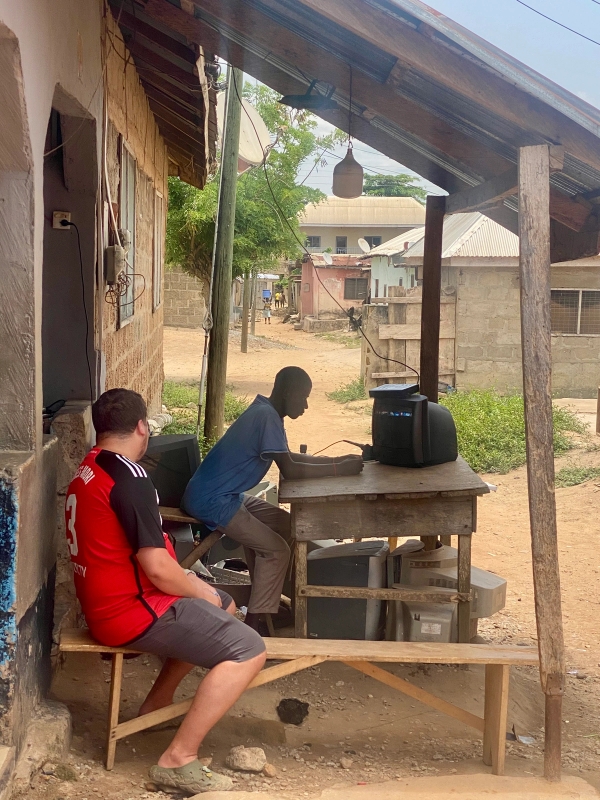
Rich culture that was meant to be shared
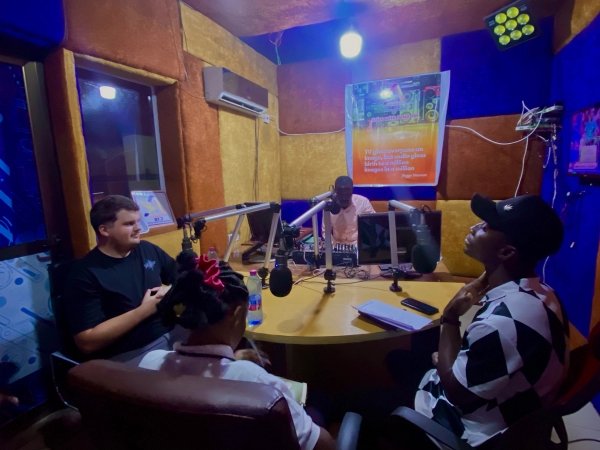
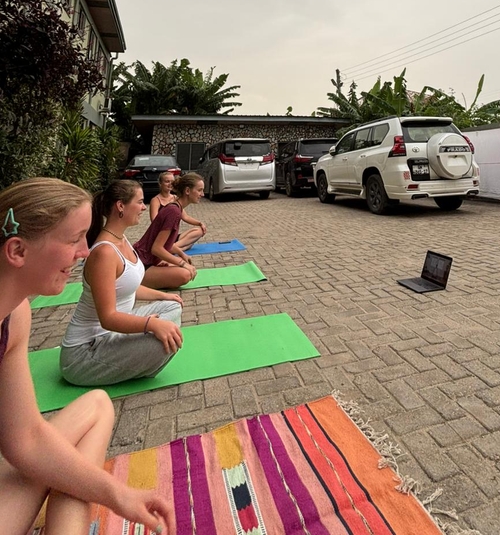
One of the best things about the semester was that as students we didn’t just observe the culture, we got to take part in it.
Already in the first few days we were invited into various churches to experience how the Sunday service was conducted. It is, by the way, very lively and characterized by song and dance.
We were invited to a wedding where we didn’t know the bride and groom. At Easter we were able to take part in a large church service where we were welcomed with open arms.
We got to take part in the student activities on campus and got to know the local students. If someone was selling some kind of food and we were curious what it was, it was almost impossible to leave without having tasted it.
These were experiences that repeated themselves throughout the entire stay. We were met by people who wanted to share their culture with us. We were not standing on the outside looking in; we were allowed to take part. This hospitality and inclusion made a strong impression on me.

A country full of life
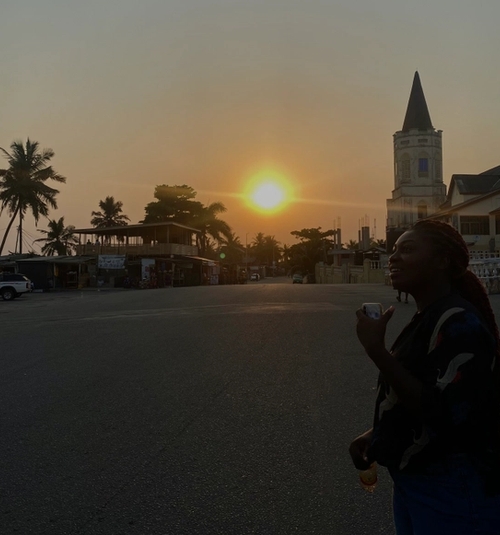
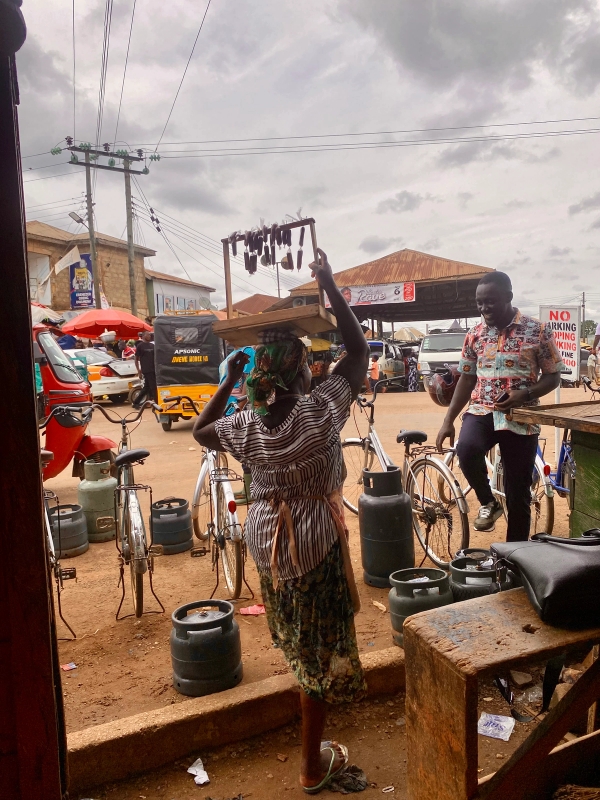
If I had to describe Ghana in one word, it would be life. Music pouring out from shops, speakers, and images.
People talking loudly to each other, lots of noise from honking cars, and streets full of activity almost around the clock. For a Norwegian who is used to silence and earplugs in public places, it was quite an adjustment.
I especially remember from the wedding we got to attend that the music was so loud that the bass could be felt throughout the whole body. In the middle of all this sat a little baby, sleeping peacefully on its mother’s back. That made me smile.
What felt chaotic and loud to me was completely normal here. They grew up with the loud music and were good at shutting it out when needed. This was something I partly learned, but I wish I had been able to adapt even more.

New perspectives
One of the things I like most about studying abroad is that what I learned back home is being challenged. Something we learn at home doesn’t necessarily have to be true somewhere else in the world.
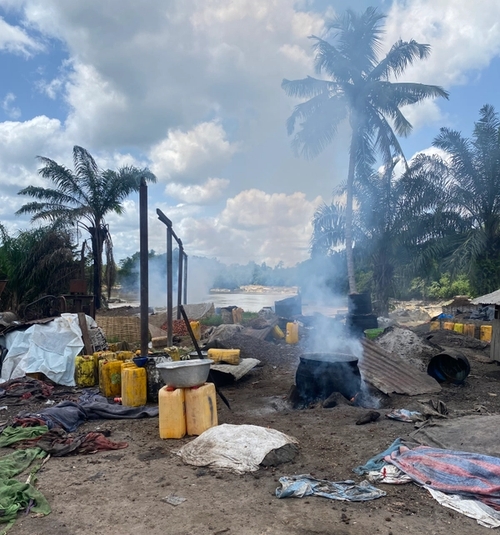
One example was when we were doing fieldwork and learned about palm oil. Back home in Norway, I had almost exclusively heard about the negative consequences of palm oil.
In Ghana, I heard the other side of the story: about farmers who depend on palm oil as a source of income, how it is used in cooking and traditional medicine, and why many see it as an important resource.
That didn’t mean I necessarily changed my mind, but it reminded me that there isn’t one single right answer. Many opinions become far more nuanced when you meet the people who actually live with these issues and can talk with them about their experiences.