A guide to tailored clothing in Hoi An
Over the past few decades, Hoi An has become a world‑famous destination for tailor‑made clothing.
This text is translated using AI.
View the original article here.Tourists from all over the world travel here to have high-quality, custom-made garments produced at a fraction of the price back home. If you go about it the right way, this is a unique opportunity that is definitely worth taking advantage of.
However, getting custom-made clothes can be an intense and sometimes overwhelming process. There are many decisions to be made when it comes to choosing a tailor, deciding which garments you want, and selecting designs and materials. If there’s one thing I would recommend, it’s to come prepared.

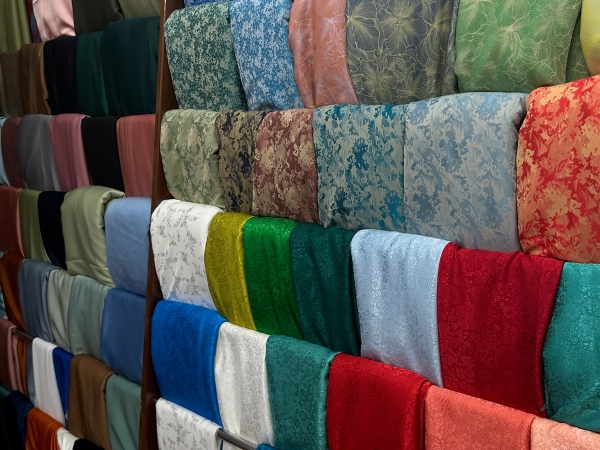
If you walk into a random tailor without a clear idea of what you want, I can almost guarantee that the result won’t turn out very well. I learned this myself the first time I went to a tailor.
I made all the decisions on the spur of the moment, which resulted in a garment I neither need nor can really see myself using much. So spontaneity is not a strength in this case. Instead, have a clear plan, and bring photos or sketches that make it easier to communicate what you want.

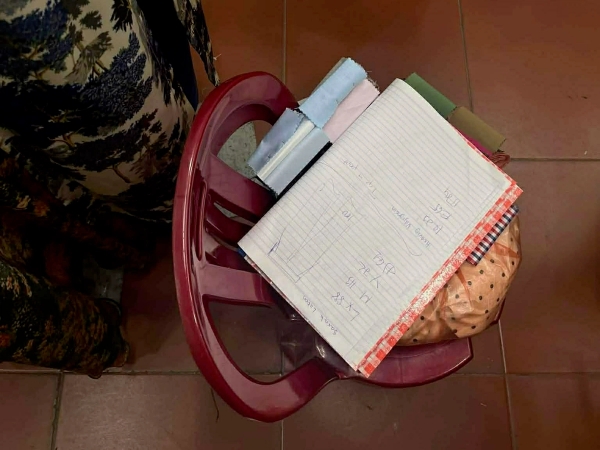
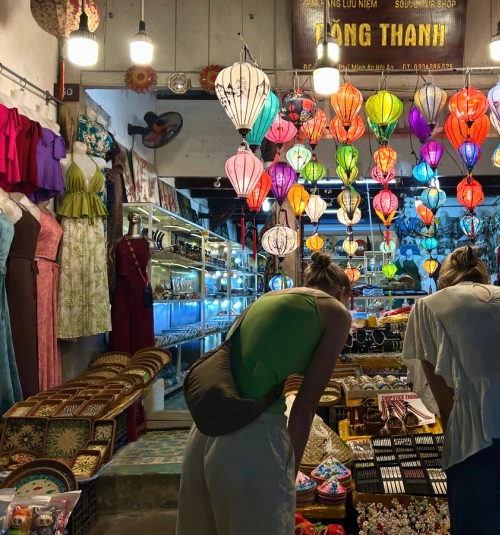
It can be worthwhile to visit several tailors and compare what they can offer before you decide. Hoi An is full of tailors, with different fabric selections and price levels.
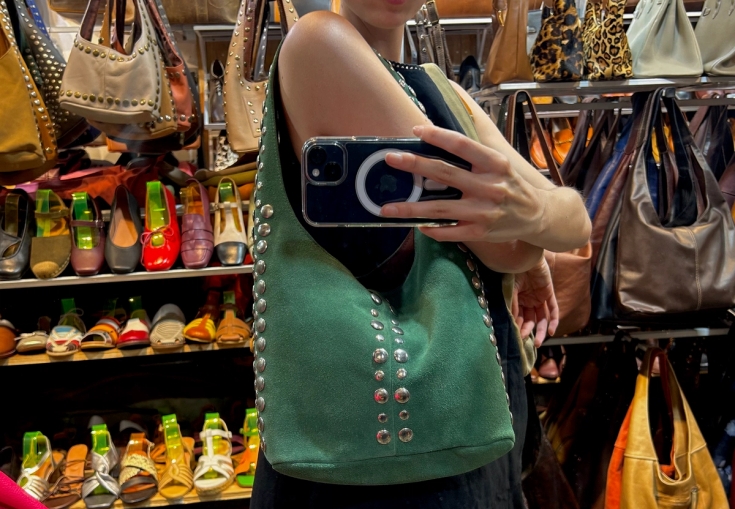
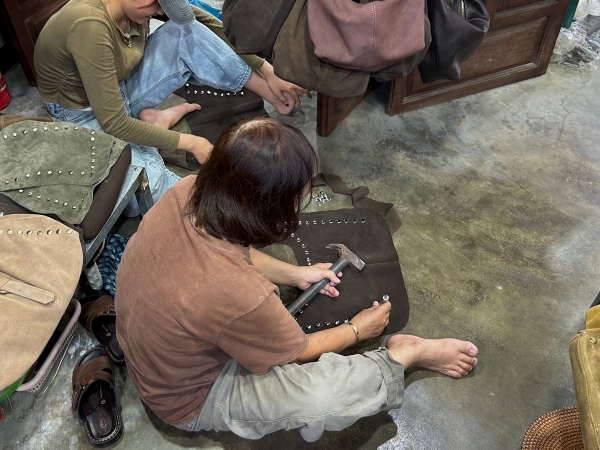
Some are particularly skilled with certain garments or materials, which can be smart to look into if you want something more advanced, such as a suit or a silk garment. There are also dedicated leather tailors who, among other things, handcraft bags and shoes to measure.

When it’s so easy to get tailor-made clothes, it’s easy to get carried away. Even though it costs much less than it would back home in Norway, it can still end up being expensive.
As a student with a limited budget and luggage space, you need to think carefully about what you want and prioritize the garments that make the most sense to have tailored.

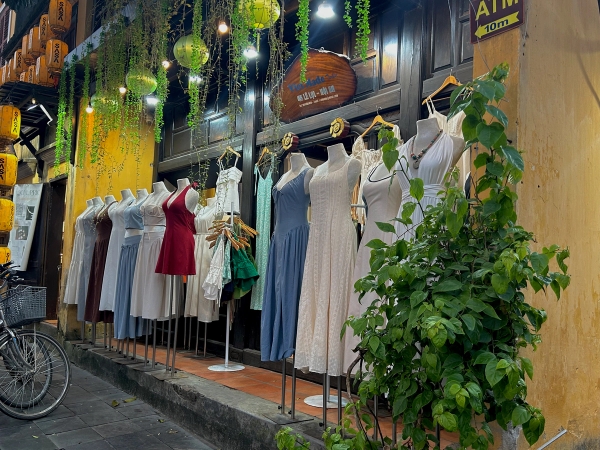
It can be especially smart to prioritize garments like trousers, dresses, and suits, where the right fit makes a big difference and is often hard to get right in regular stores. In addition, you have a unique opportunity to realize your own ideas and have pieces made that don’t already exist.
Choice of material is also important to consider. In many clothing stores, it is difficult to find garments completely free of synthetic materials. With a tailor, however, you have full control and the opportunity to choose natural materials such as cotton, linen, and silk, which both feel better on the skin and last longer.

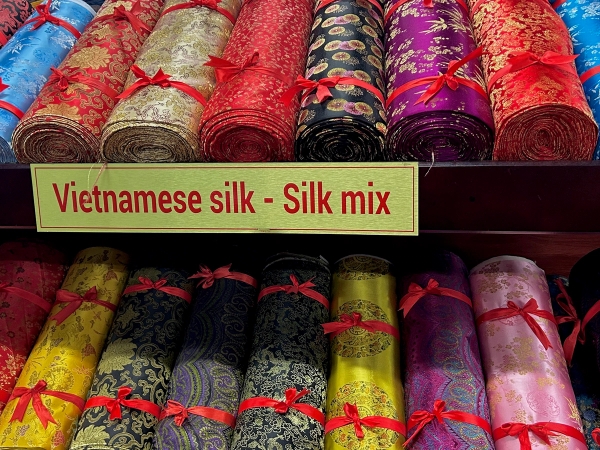
Silk in particular may be worth considering, even if it costs a bit extra. Vietnam has a several-thousand-year-long tradition of silk production, and Hoi An was an important hub for the silk trade along the maritime Silk Road in the 17th century.
This is part of the background for the city’s position in textiles and tailoring today. A silk garment from here is therefore not only a quality purchase, but also a meaningful souvenir to take home.

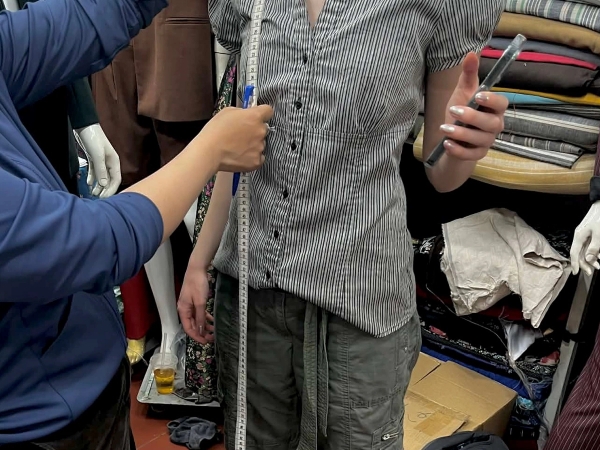
As a student in Hoi An, you have time to explore the tailoring options and avoid rushed decisions. With good planning, you can end up with clothes that fit perfectly and feel personal and unique.
The garments become not only part of your wardrobe, but also lasting memories from your study stay in Vietnam.