My week as a gaucho in Uruguay
When classes pause for reading week, Kulturstudier students scatter across the continent. As for me, I headed to a remote ranch in Uruguay.
This text is translated using AI.
View the original article here.In October, we had a break from compulsory classes in our Spanish programme. The students made the most of it.
While my fellow students headed off to explore new corners of Argentina, Brazil, or Ecuador, my partner (who was visiting from Norway) and I chose to head for the Uruguayan countryside.

I had actually spent a long weekend in Uruguay the weekend before, visiting Montevideo and the charming coastal town of Colonia.
Still, I felt the country had more hidden treasures worth exploring. And I’m so glad I did—because this trip turned out to be an experience none of us will ever forget.
Far from civilization
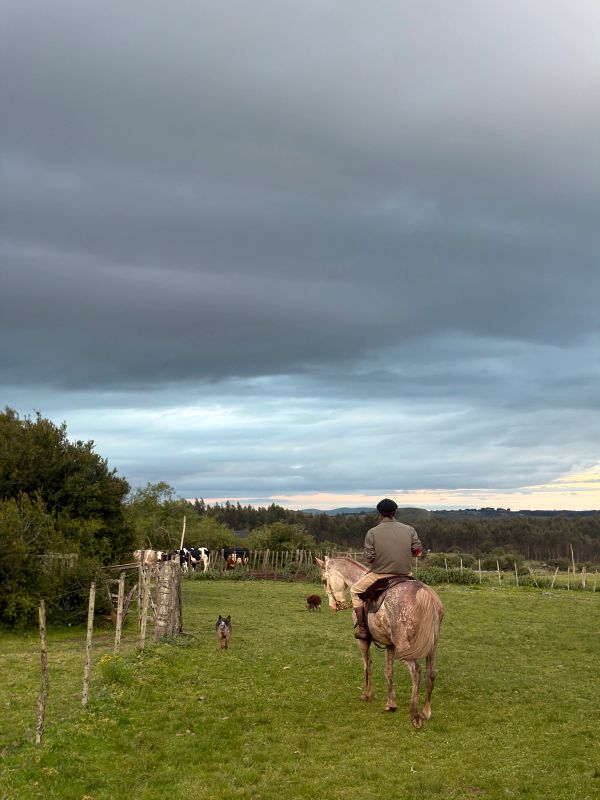
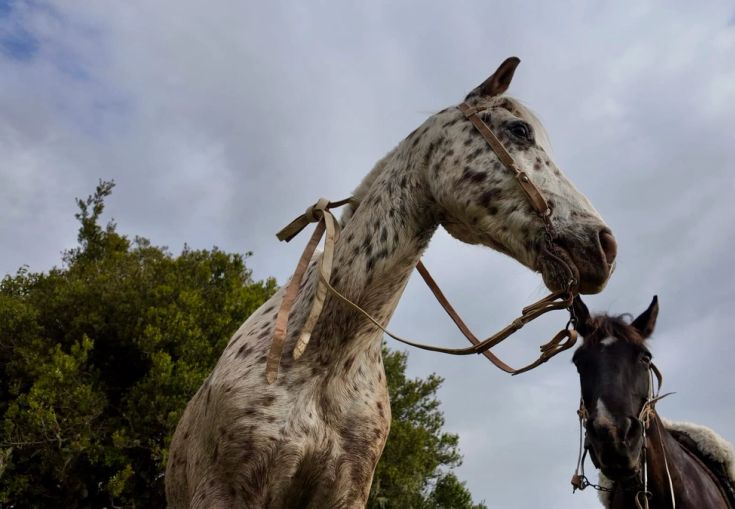
Neither my partner nor I had ever ridden a horse before, but we agreed that this was something we had to try. We settled on Estancia La Pilona in central Uruguay, a three-hour bus ride from the capital, Montevideo. An authentic gaucho ranch steeped in tradition!

We chose to rent a small cabin that stood all by itself out on the plain. Every morning, we woke up to the sight of free-roaming horses running around and grazing right outside our window. The atmosphere on the farm was incredibly relaxed, and we enjoyed several long, peaceful mornings on the terrace, looking out over the open landscape.
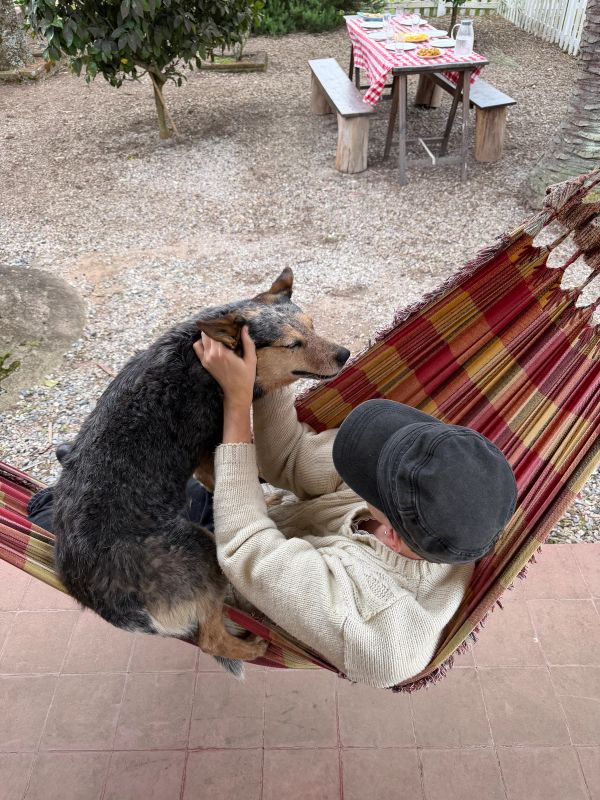
The farm wasn't just home to horses, either. It was teeming with eager herding dogs, always ready for a walk or a little attention. Even more exciting was that the farm was also full of tiny, adorable puppies!
We made more than one trip over to the farmyard just to pet and cuddle them, which made everyday life on the farm even more charming, if that was possible.

The estancia was owned by Juan, who lived and worked there, along with several volunteers who helped out on the farm. They were from England, France and Australia, so even though we were deep in the Uruguayan countryside, it was quite an international little community.
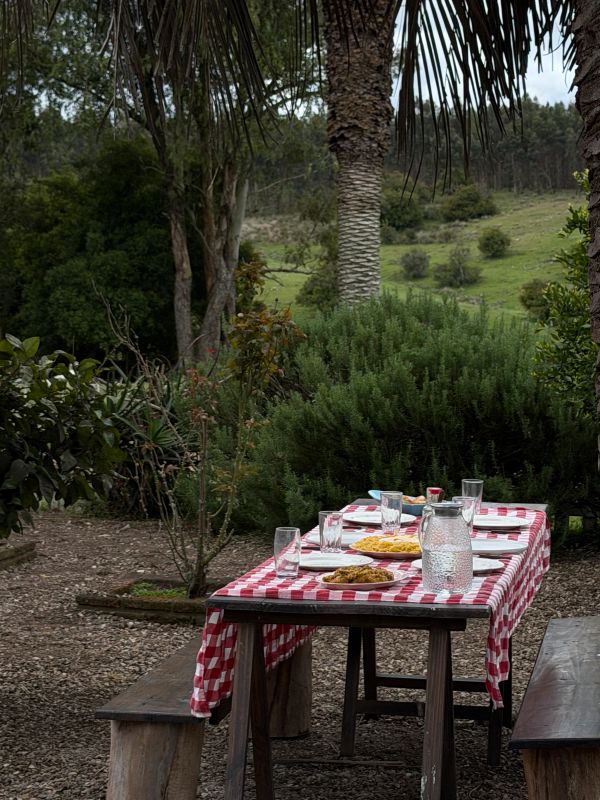
We spent a lot of time hanging out with Juan and the others who lived there. There were long dinners, plenty of conversation and, not least, asado grilled over an open fire outdoors. It was just as relaxed and informal as you might imagine life on an estancia to be.

Galloping, river crossings and wild horses
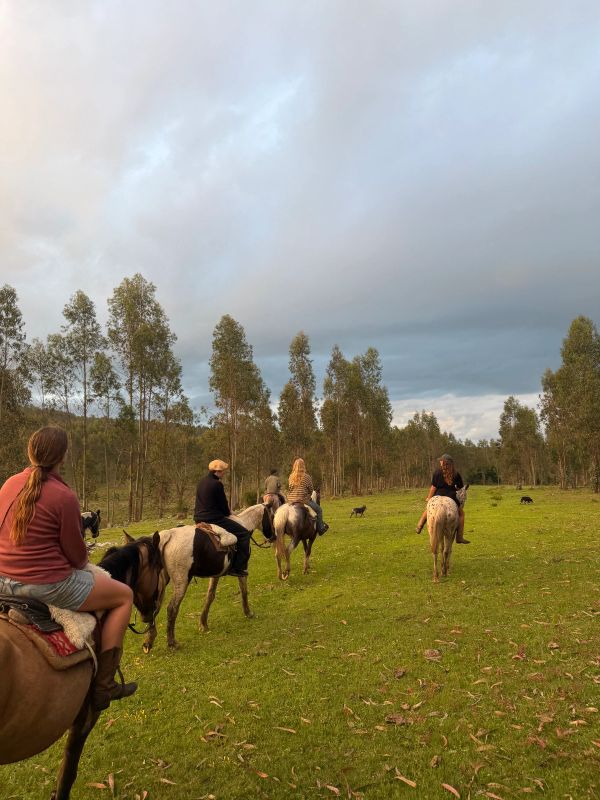
During our stay, we went on horseback rides lasting up to four hours. I had imagined we would just amble around the local area, but Juan's property was enormous. Even after several hours in the saddle, it still felt as though we had only seen a small part of it.
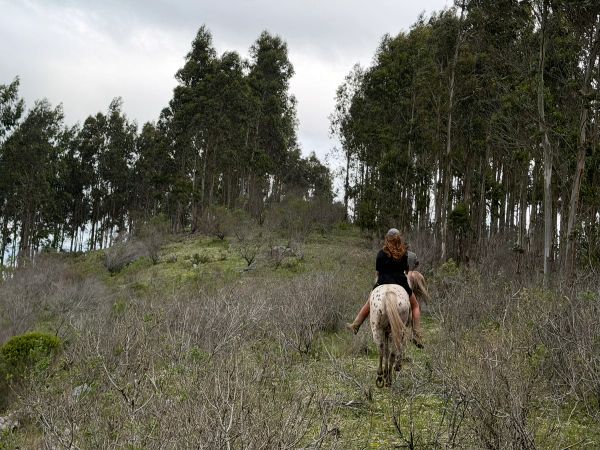
Our horseback rides took us through an incredibly varied landscape: over ridges, through eucalyptus forests, and across vast plains dotted with grazing cows and herds of wild horses. As we rode straight through a river, it dawned on me that this was a world away from the carefully managed tourist attractions back home in Norway.

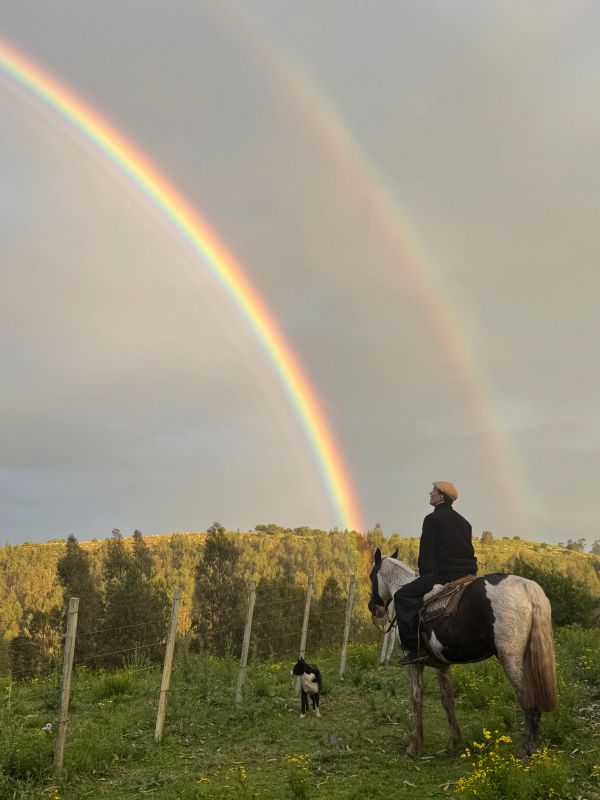
And then came the galloping. As a beginner, I never thought I’d be galloping on my very first day, but incredibly, it went brilliantly! I had butterflies in my stomach for the first few seconds, but the feeling of galloping at full speed through the endless landscape was pure magic.
A break from city life
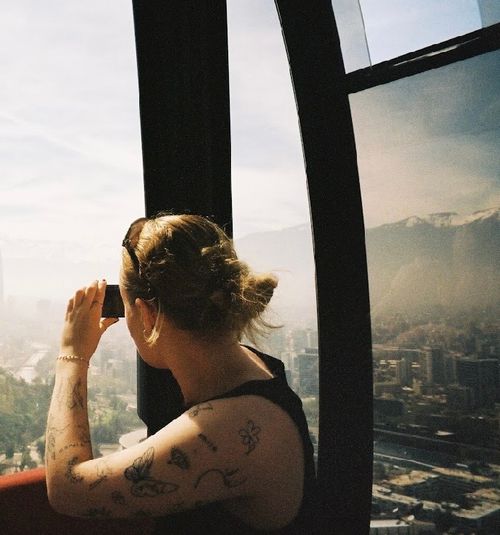
Still, the peace and quiet was one of the things we appreciated most about the trip. We had no packed schedule—our days were simply filled with horseback riding, good food, walks around the property, and great conversations around the campfire. It was a wonderful contrast to everyday student life in Buenos Aires, where there’s always something going on.

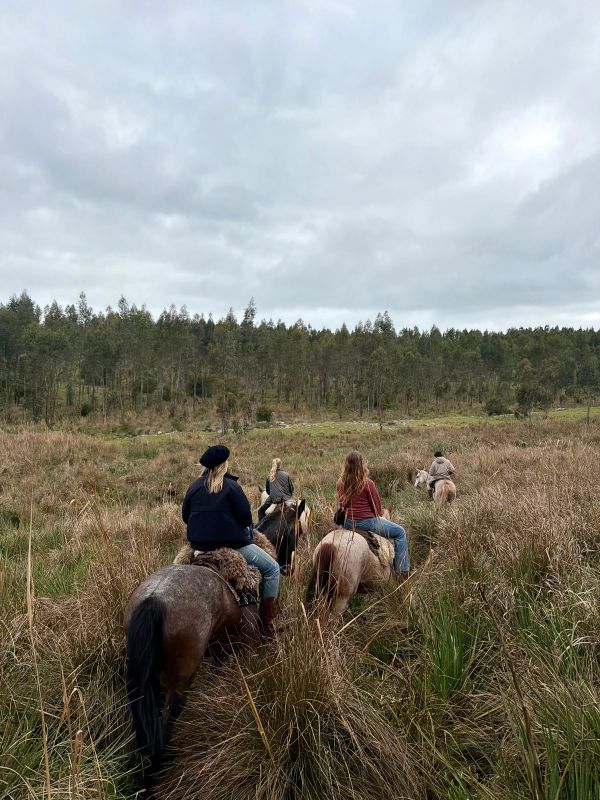
We didn't have a packed schedule. We rode horses, ate, wandered around the property, and hung out with the other people staying there. In the evenings, we gathered around the fire and grilled asado while we sat and chatted.
Before the trip, I wasn’t particularly familiar with life on an estancia, but I was completely won over. Waking up to horses outside my door, crossing rivers on horseback, and experiencing authentic gaucho culture remain among the best experiences I’ve had in South America so far.
I don't think this will be the last time I get on a horse either!