Endless Summer: Three Weeks of Beach Life in Costa Rica
I’ve now been living in Quepos for three weeks, and everyday life is slowly but surely starting to fall into place.
This text is translated using AI.
View the original article here.The days here have their own rhythm, governed by the heat, the tides, and how good the waves are. Most of my time here revolves around the ocean, and beach life has become a natural part of everyday living, in what feels like an endless summer.
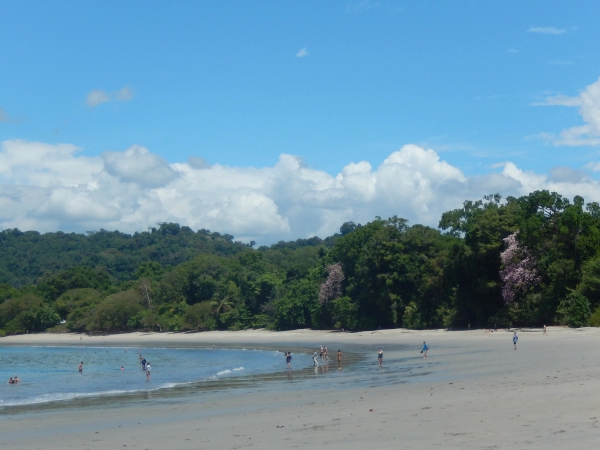
I’ve spent a lot of time on the beach in Manuel Antonio, just twenty minutes from Quepos by bus. The sand is soft, and the water is warm and inviting.
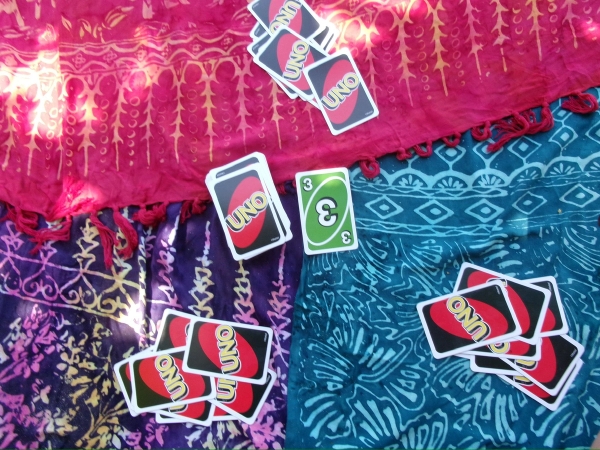
It’s a place where you can stay for many hours, whether you’re swimming, reading a good book, playing Uno, or just watching the waves and letting your thoughts drift.

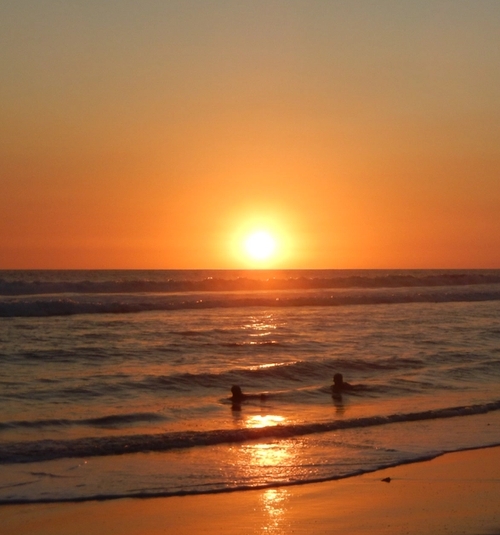
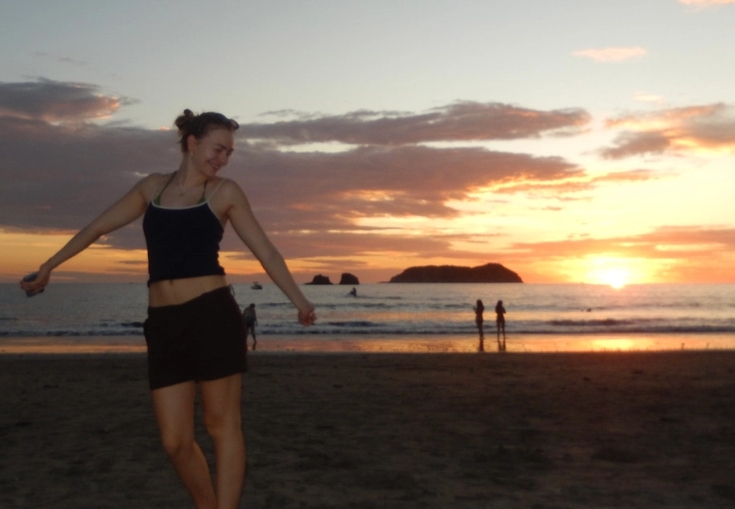
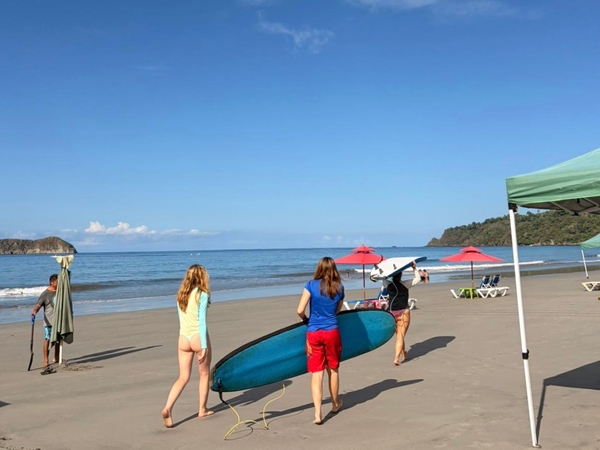
We’ve come out here on weekends, sometimes after school to watch the beautiful sunset, or in the mornings to go surfing.
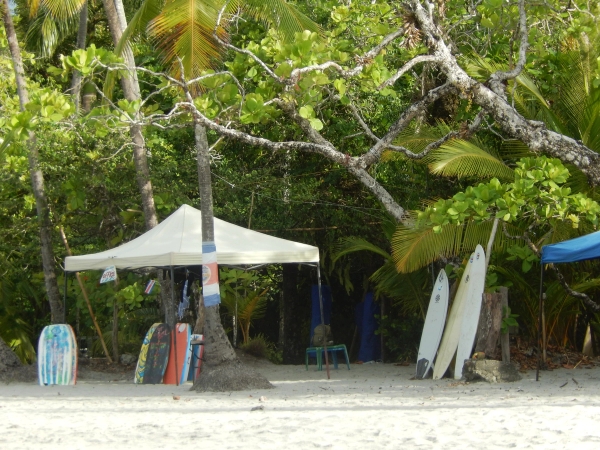
It’s a good beach for beginners, because the waves are generally not too big, and there are many people offering surf lessons or board rentals along the beach.
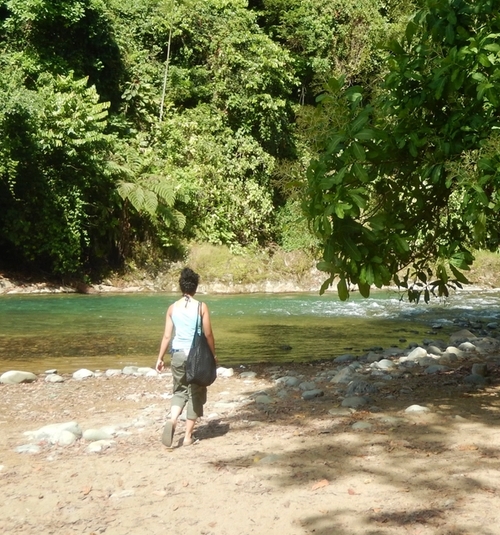
In addition to surfing, I’ve also gone hiking in the national park in Manuel Antonio and been on a kayaking trip in the mangroves.

This has reminded me how many different landscapes there are in a relatively small area, even though I spend a lot of time at the beach.
What strikes me most about Manuel Antonio is how the jungle sits right next to the beach.
Green plants meet the sea in a completely unique way: monkeys climbing along the telephone wires, parrots flying among the treetops, while people move between sand and waves.

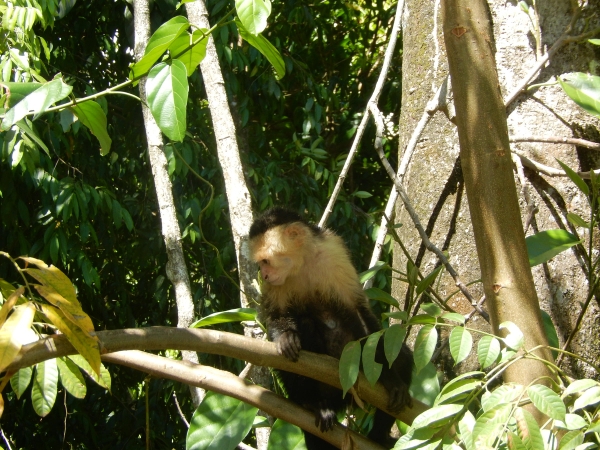
It’s an incredibly beautiful place that’s easy to romanticize, but at the same time it becomes clear that this is an ecosystem, a habitat, and an economic resource, all at once.
In contrast to this, I’ve spent quite a bit of time at Nahomi, the rocky beach in Quepos, which is just a fifteen-minute walk from where we live. The atmosphere here is different, more everyday and with fewer people. It feels more local than tailored for visitors, and there aren’t many tourists here.

In global environmental studies we talk a lot about ecotourism. The national park in Manuel Antonio is a clear example of ecotourism in practice.
The goal is to protect biological diversity while at the same time ensuring that the area generates income for the local community.
The beaches inside the national park were incredibly beautiful, and with far fewer people because of the limited number of tickets sold each day. The sand was even softer, and the jungle was really lush.

We saw so many animals, both sloths and various insects, and especially lots of monkeys. We even saw the most poisonous snake in Costa Rica, which was really cool. But just outside the park boundaries, there is a different reality.
Ecotourism can contribute to increased pressure on areas that are actually supposed to be protected, and the area is full of hotels, holiday homes, and restaurants. Going from a quiet trail in the national park to seeing a large luxury hotel right outside made the contrast very striking.
Another thought-provoking experience was the class trip to Jacó and Playa Hermosa, which is recognized as a World Surf Reserve. Here, the town’s identity is strongly tied to the ocean and beach life.

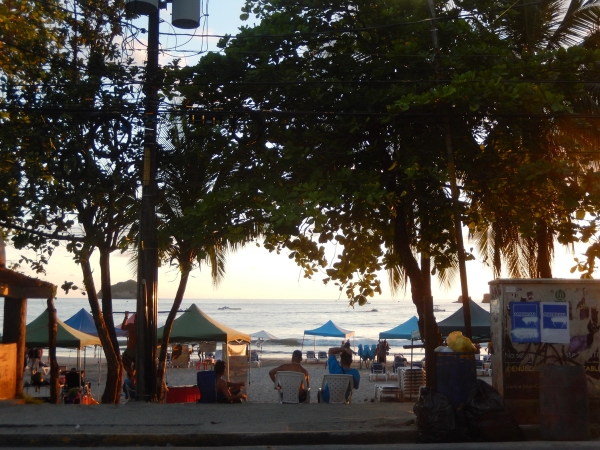
Surf culture is both local and global, and surfers from all over the world gather here. But Playa Hermosa also illustrates the relationship between development and nature conservation, something we discuss a lot in the program. Right by the beach, many houses and hotels have been built where there used to be wetlands.
They have created a canal to drain the land, which has led to animals disappearing and is damaging the ecosystem.
We also met an architect who works for the municipality in Jacó, and he told us about how they are working to reclaim the maritime zone. He said that Jacó is perhaps the most affected beach ecosystem in the country.

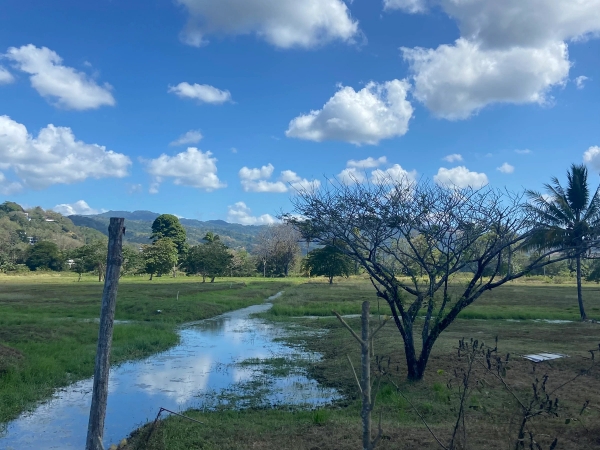
Houses that have been built too far down on the beach with fences that stop the waves. By destroying the turtles’ natural habitat, it prevents them from returning to the beach to lay their eggs.
This made an impression on me. Beach life in Costa Rica is more complex than it appears at first glance. It’s not just about sunsets and tide tables; it’s about living with nature and not against it.

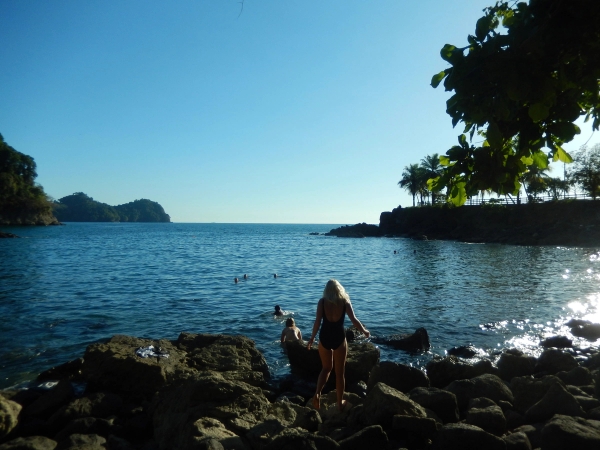
After three weeks, I’m starting to understand that “eternal summer” isn’t just a romantic dream. It’s also an image of a different way of relating to nature, time, and community.
For me, life at the beach has become a reminder that sustainability is not just a political goal, but a daily practice. Nature and society are not opposites, but parts of the same summer.