From Theory to Practice: Sustainability in Longo Mai
We took a bus for three hours from Quepos and arrived in Longo Mai, a community located between mountains and forest.
This text is translated using AI.
View the original article here.The whole bus ride I sat looking out the window as we drove up through the landscape. The view higher up was incredibly beautiful.
When we arrived in Longo Mai, we met Doña Edith, who welcomed us with a calmness that set the tone for the rest of the trip. Her family was among the first four families to arrive in Longo Mai. At that time, there were no buildings there, and they picked fruit from the forest to get food.

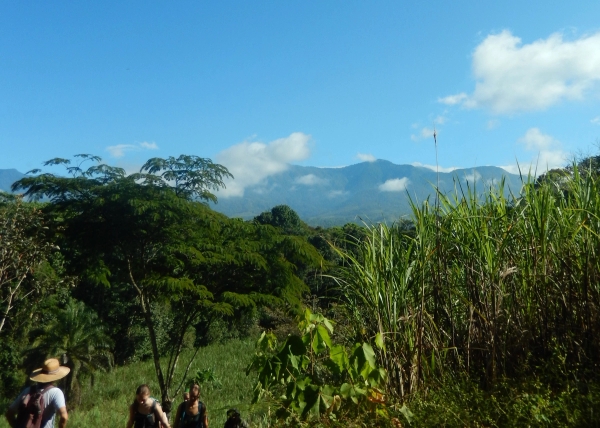
Doña Edith told us about the history of Longo Mai, a community built on solidarity, cooperation, and an alternative way of organizing life and work.
It’s not just a place, but a project about living differently. Longo Mai means long life, and their main focus is a cooperative way of living.
All the land is owned by an organization, so it isn’t important for the residents to own their own house or plot, but everyone contributes something to the community.

Longo Mai was established in Costa Rica with help from the UN to receive refugees from Nicaragua and El Salvador. It was a result of the many civil wars in Latin America in the 1970s and 1980s. There are several Longo Mai communities around the world, and the first one emerged in France in 1973.
After the meeting with Doña Edith, we were introduced to our host families. Two students shared each home, and with them we were also served breakfast, lunch, and dinner. My host family came to Longo Mai from El Salvador ten years ago.
They were very kind and welcoming, but the ten-year-old girl was a bit exasperated that I didn’t know much Spanish.

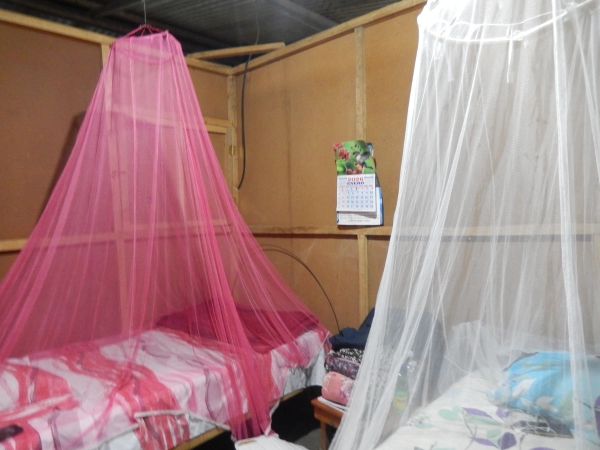
The best thing about Longo Mai was how peaceful it was, and how safe it felt. It was green everywhere. It didn’t seem like people were in a hurry there. The family I stayed with had chickens in the garden that they got eggs from, and they also grew various plants and vegetables.
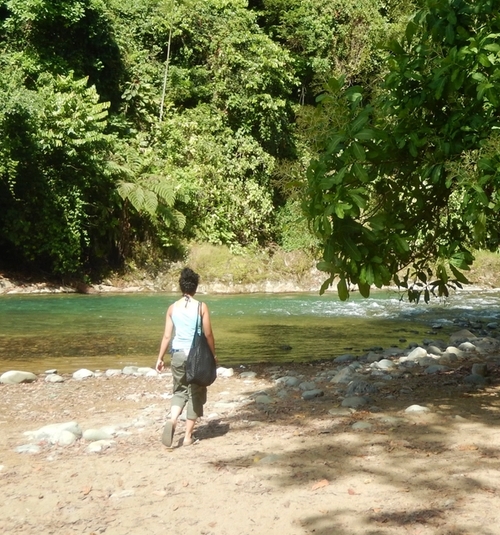
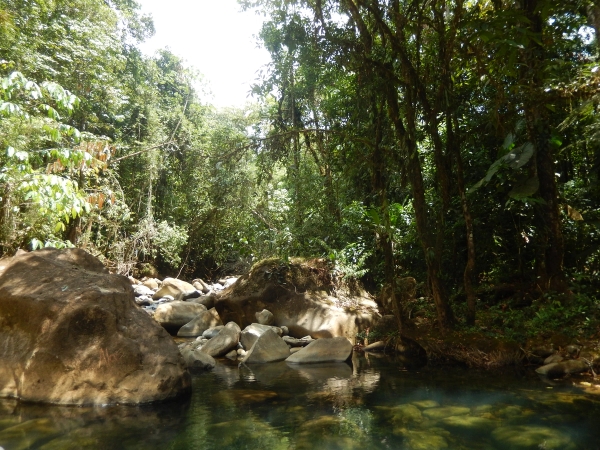
In Longo Mai there are houses, farms, and forest. In the middle of the village there is a river that’s great for swimming. We went there to cool down during our lunch breaks and met local children who were swimming.
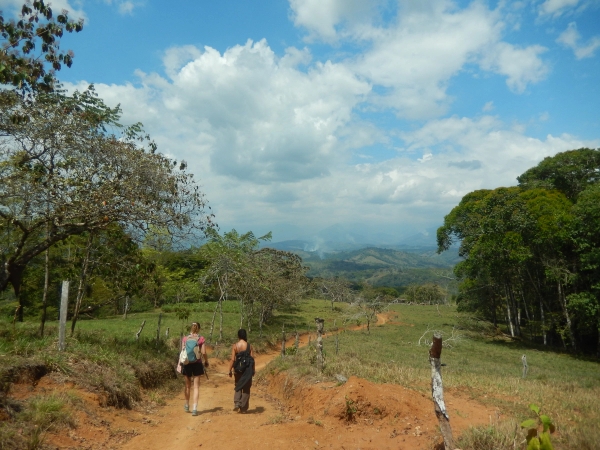
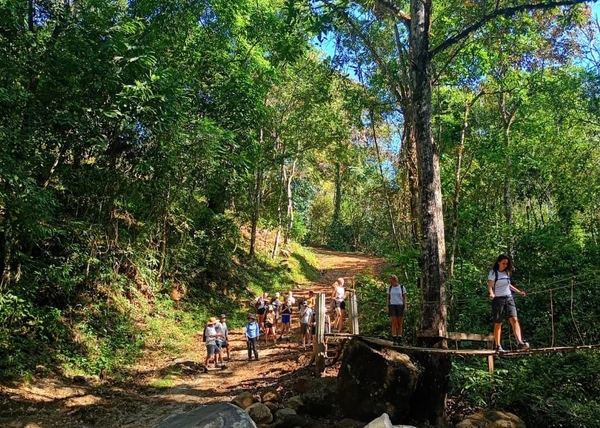
The original idea for Longo Mai was that half of the forest area would be preserved and the other half would be used for production. That’s why today there are forests and fields side by side. One day we walked through the forest to visit a sugarcane plantation.

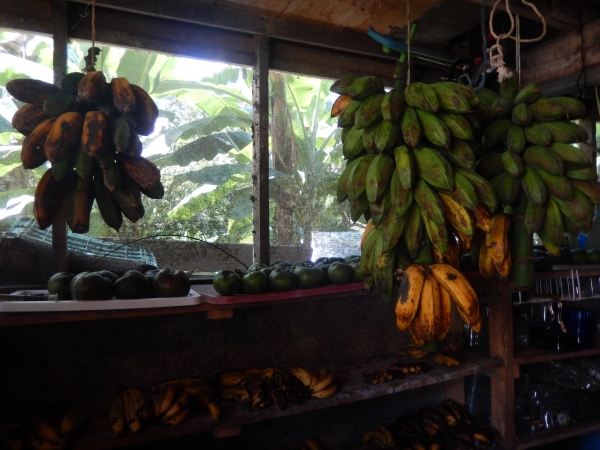
Another day we visited an agroecological farm, Passiflora, where we got to talk with the farmer Wade. He told us a lot about organic farming and how large-scale industrial production is harmful to nature, even when it is organic.
On his farm he had countless different plant species, which is much more sustainable than what is common in industrial production, namely having a large field with a single specific crop. Wade practices permaculture, which means farming inspired by nature’s own patterns, without throwing anything away.
The bananas he didn’t sell, he used to make other things, or he dried them. We got to taste the dried bananas and they were really good.

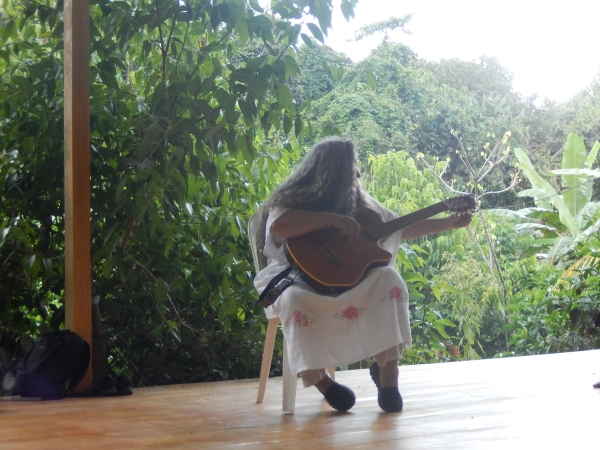
We also got to visit Guadalupe Urbina, a Costa Rican artist. I was very inspired by her—motivated to live more in harmony with nature and to be more self-sufficient.
She grew all sorts of things in her garden and made both tea and soap from the herbs. There was something refreshing about the way she talked about life. The first thing she said when she was going to tell about herself was that she is amazing.
She talked about how nature is not just a resource for her, but something she lives together with. She moved to Longo Mai to live a freer life, and encouraged us to live more slowly.

Getting to meet so many different people, hear their stories, and see how they live made me motivated to learn more about agriculture and how people’s lives are affected by the way we practice farming.
We often talk about sustainability as something big and abstract, but here it was part of everyday life. Not as a goal to achieve, but as a practice and a way of living.

Just three days after we got back from Longo Mai, a group of us went to Santa Teresa. This was a trip we had planned ourselves, because we had heard that Santa Teresa is a great place for surfing and yoga.
The contrast was very stark. From living with host families in Longo Mai, we came to a place full of tourists, with high prices and Westernized restaurants. Many locals can no longer afford to live in Santa Teresa, because it is such a popular travel destination.
I’m very happy that I get to experience several sides of Costa Rica through my studies, instead of just seeing tourist spots like Santa Teresa. I’ll be thinking about the trip to Longo Mai for a long time.