Feeling safe in a new city
When I decided to go to Buenos Aires, I knew nothing about either the city or the country, Argentina.
This text is translated using AI.
View the original article here.To be completely honest, I found it pretty scary and thought the city would be much more dangerous than it actually is.
It didn’t help that my first conversation with an Argentine, the driver who took me from the airport, mainly consisted of advice about what I mustn’t do and warnings about everything that could happen.
I arrived a day before the group departure arranged by Kulturstudier, so I had no one to explore the city with. That made it especially scary to go out alone, so apart from a quick trip to the local shop I mostly stayed inside.

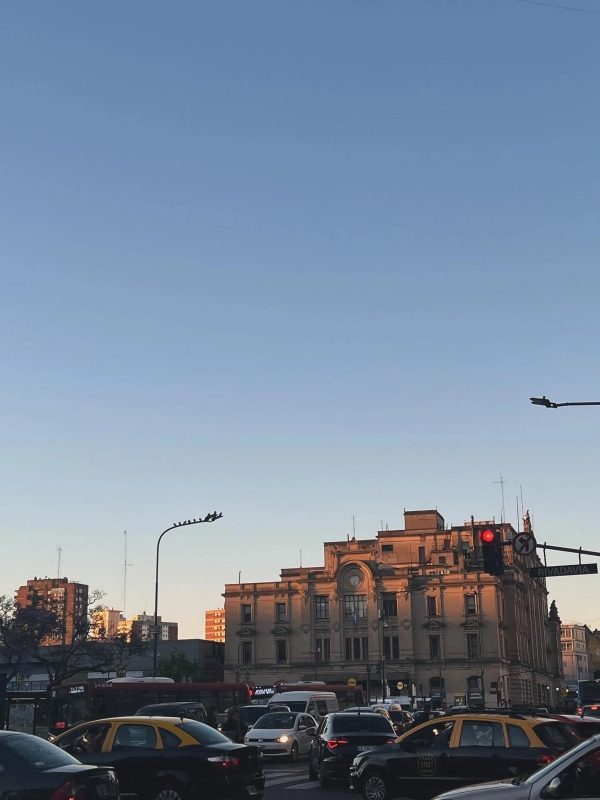
Today I think it was silly of me to waste my entire first day sitting inside and being scared – but it is frightening to travel away from safe Norway to the other side of the world all alone.
If you’re also a bit worried about moving to a huge South American city, here’s my honest experience of how safe Buenos Aires feels after having lived here for a few months.
Statistically, Buenos Aires is at the bottom in terms of crime among the major South American cities, but in a city with more inhabitants than all of Norway, there is of course more crime here than I am used to.
The most common type of crime is theft and other profit-motivated offenses, which we as foreigners are particularly vulnerable to. Still, it’s entirely possible to stay safe as long as you take precautions.

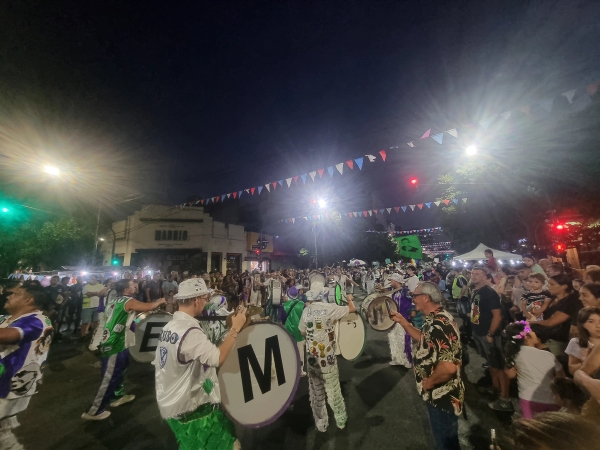
Something I quickly got used to was taking care of my belongings. Always keep track of where your money and phone are, preferably keep them hidden in a bag or similar. A general rule is to never walk around with any valuables in your hands. Don’t stand in the street with your phone in your hand or leave it on the table at a café.
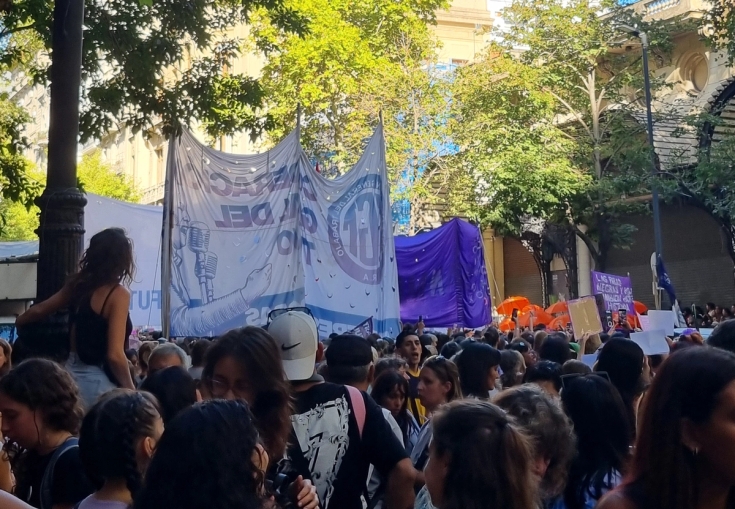
In places with a lot of people, such as markets, demonstrations, public transport, or parties, it’s wise to keep your belongings close to your body and within your line of sight.
For these situations I strongly recommend bringing or buying a money belt. This is a small pouch with an elastic strap you fasten around your waist and wear under your shirt or inside your pants. It’s a smart place to keep your money and phone.


That is, however, easier said than done. Because in a big and unfamiliar city you sometimes need to walk around with the map on your phone, or look something up. Either way, you see that everyone is walking down the street texting. Is it really that dangerous, then?
In itself, it’s not dangerous to walk around with your phone in your hand; the point is just that you need to pay attention to your surroundings. Maybe don’t stand at the very edge of the sidewalk while you’re looking something up.
Think about where you are and what the people around you are doing. And remember that even if others walk around with their phones loosely in their hands, the locals can often tell that you’re not from there, which may make you more likely to be targeted for robbery.

If you should be unlucky enough to be the victim of a robbery, it is important to remember that you have travel insurance (this is mandatory for all students) and your belongings are not worth more than your safety!
It’s really not worth trying to fight back against people who might be willing to do worse things than just take your phone. Always think carefully about what you bring with you when you go out.
Don’t bring more money or documents than you can afford to lose. For example, you almost never need more than one form of ID. Sometimes it’s even enough just to have a photo of your passport or similar ID.


Even though this might sound scary, it’s important not to let fear stop you from exploring!
Some of my coolest experiences here in the city have also been on the verge of scary. For example, we managed to get tickets illegally for a match at Boca’s home stadium. Boca is generally a neighborhood you’re warned against being in, especially in the evening.
The process of getting hold of the tickets was also a bit dubious. The locals aren’t too happy about outsiders coming to the matches, because it’s hard to get tickets even for the most die-hard fans.
In addition, there were an insane number of people in the stadium, so in the spot we found on some steps leading up to the stands, we were half crushed to death between very passionate Argentinians who were eager to push as far forward as possible.


Despite the physical discomfort, this was an experience I wouldn’t have wanted to miss! I’ve never cared about football, but the atmosphere in the streets beforehand and especially inside the stadium was something truly out of the ordinary.
The most important thing of all is of course to listen to the advice of the locals. They’re the ones who know the city best. For example, we followed the advice to leave the match a few minutes before it ended, and we managed to get away from the stadium and into the city center as quickly as possible.
Buses, trains and the metro are generally safe here, especially during the day. Otherwise, Uber is relatively cheap, at least when several people share, and it’s considered safe.


Overall, my experience is that Buenos Aires is a city where it’s easy to feel safe. Almost all the people I’ve met have been welcoming and warm.
As everyone says, traveling and experiencing new cultures is truly one of the things you learn the most from. I’ve learned so much more than just Spanish.
It sounds obvious, but more than anything I’ve learned that people are just people no matter where in the world you are. And as I’ve explained, there are different problems in this city than there are in cities in Scandinavia, but you quickly learn how to adapt.
The fact that life here is different from everyday life back home has really just made me appreciate more what I miss from Norway, and also appreciate the differences I get to experience by being here!